
Russ Eats and the Rise of Unfiltered Digital Food Critiques
Social media food reviewing has shifted drastically from polished, high-end restaurant critiques to raw, unfiltered car-seat taste tests, and Russ Eats sits at the absolute forefront of this cultural reset. Gone are the days when audiences demanded perfect studio lighting, expensive cinematic camera gear, and vocabulary straight out of a Michelin-star dining guide. Instead, the modern digital viewer craves blunt, immediate, and honest reactions to everyday items like supermarket snacks, fast-food burgers, and limited-time energy drinks. Understanding the mechanics behind a channel like this offers a comprehensive masterclass in digital content strategy, audience retention, and modern media consumption.
It proves that authenticity, rapid pacing, and extreme relatability consistently outperform high-budget corporate production. The explosive success of this formatting highlights a massive broader shift in global consumer behavior: everyday audiences trust a regular person giving a straightforward, unscripted verdict far more than they trust a sponsored influencer reading sanitized corporate talking points. By stripping away the elitist pretense of traditional culinary criticism, creators who adopt this direct, friend-to-friend tone build deeply engaged communities. They manage to turn mundane afternoon grocery runs into highly anticipated content drops, capturing millions of organic views simply by keeping their opinions entirely unvarnished and their editing incredibly tight. The cultural impact of this style redefines how brands interact with the public.
Read also: Can You Make Money On TikTok In Australia? Guide; Who Is sebastian robinson? A Guide.
The Core Appeal: Maximizing Consumer Value and Entertainment
The fundamental appeal of raw, direct food critique lies in its immediate value proposition: saving the viewer both time and hard-earned money while simultaneously providing high-energy entertainment. Creators analyzing fast food or generic grocery store finds essentially serve as the ultimate frontline consumer advocates. They spend their own cash to test whether a heavily marketed, newly released product actually justifies the corporate hype. Two clear examples illustrate this dynamic perfectly. First, consider limited-edition fast-food releases. When a major international chain drops a bizarre new flavor combination, average consumers are naturally curious but highly hesitant to risk a bad meal. A quick, strictly honest review provides instant clarity. Second, supermarket private-label snacks routinely claim to mimic expensive name brands. A side-by-side comparative taste test delivers immediate, practical value to the budget-conscious shopper who wants quality without the premium price tag.
| Production Element | Traditional Culinary Media | Russ Eats Inspired Format |
|---|---|---|
| Filming Setting | Soundstage Studio or Upscale Restaurant | Driver’s Seat of a Car or Basic Kitchen |
| Critique Tone | Formal, Descriptive, and Polite | Blunt, Direct, and Brutally Honest |
| Subject Matter | Gourmet Dining and Rare Ingredients | Accessible Fast Food and Supermarket Snacks |
This massive shift in media consumption is driven by several distinct factors that keep viewers returning daily:
- Authenticity over aesthetics: Modern digital audiences instantly connect with raw, genuine reactions rather than heavily scripted, legally approved endorsements. Flaws in speech and genuine surprise build immediate trust.
- Relatability of accessible price points: Reviewing cheap, widely available items ensures that the entire viewing audience can actually purchase the featured product, creating a shared communal experience.
- High-retention editing techniques: Eliminating dead air, pauses, and unnecessary exposition keeps the viewer entirely locked in from the first introductory bite straight through to the final numerical score.
Tracing the History and Origins of Digital Tastemakers
The Origins of Car-Seat Food Critiques
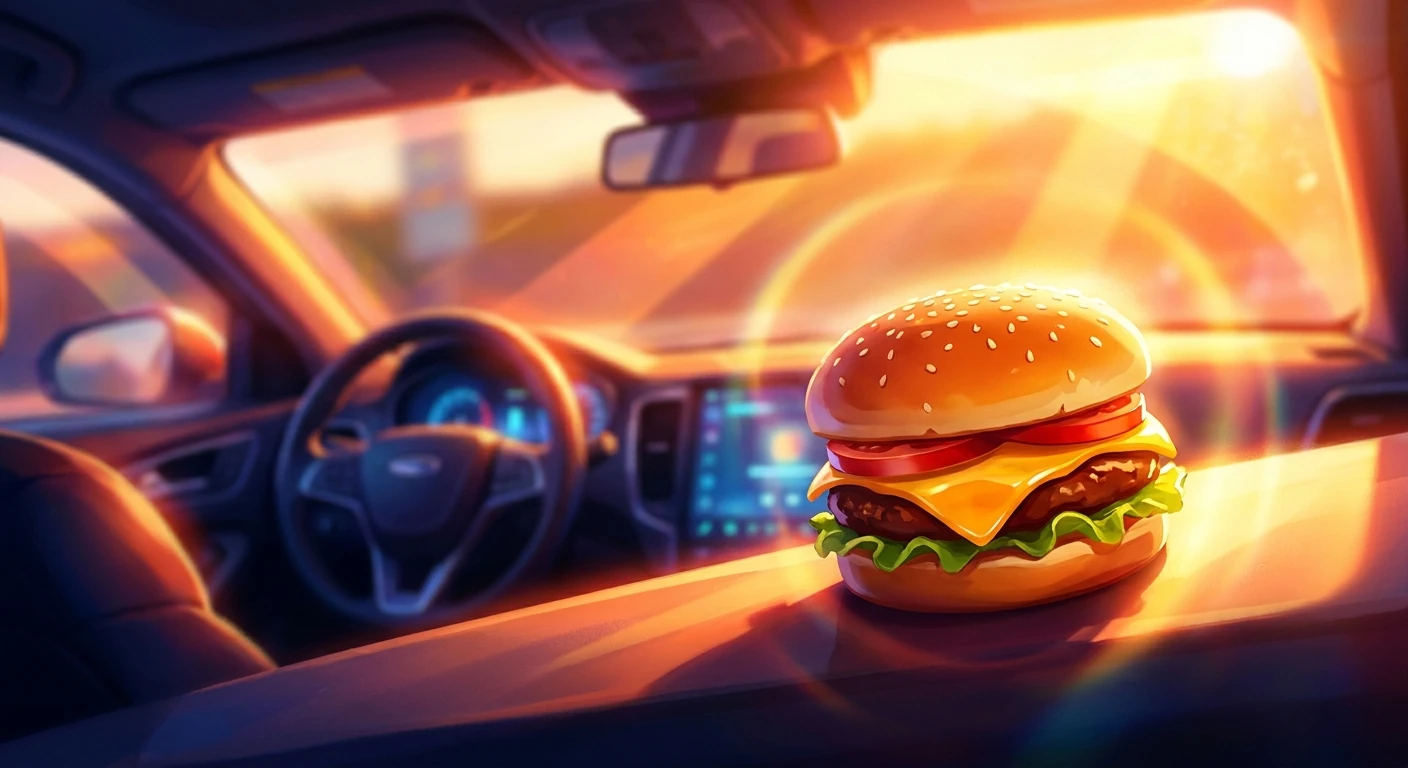
The concept of reviewing food in a highly casual setting certainly did not happen overnight. Early video-sharing platforms initially mirrored traditional television broadcasts, where aspiring hosts stood in well-lit, immaculate kitchens or sat in upscale dining rooms attempting to replicate professional network television. However, the rapid advancement of mobile technology completely decentralized content creation. Early internet pioneers eventually realized that the acoustic environment of a parked car provided surprisingly decent sound isolation, while natural sunlight streaming directly through the windshield offered flattering, zero-cost lighting. This simplistic setup democratized food critique entirely, allowing literally anyone with a standard smartphone and a local drive-thru receipt to broadcast their culinary opinions to the entire globe without needing a production crew.
The Evolution of Short-Form Content
As social media platforms aggressively evolved to favor vertical, short-form algorithms, the overall pacing of food reviews had to adapt drastically to survive. The traditional ten-minute leisurely tasting video quickly became obsolete for mass algorithmic discovery. Creators learned through trial and error that they had exactly three seconds to hook a scrolling viewer before that viewer swiped away forever. This strict necessity birthed the hyper-edited format utilized widely today: state the food item immediately, take the initial bite, and deliver the final verdict without a single wasted frame of silence. The evolution forced reviewers to become incredibly concise, actively turning simple meals into punchy, rapid-fire entertainment designed specifically for minimal attention spans.
The Modern State of Influencer Dining
Currently, unfiltered food reviewers wield massive, unprecedented influence over both local and national food markets. A highly positive rating from a trusted, no-nonsense creator can quite literally sell out a newly launched product nationwide within forty-eight hours of upload. Conversely, a brutally honest negative review can force major, billion-dollar brands to issue public apologies and rethink their entire ingredient recipes. The modern state of this specific niche relies entirely on the concept of parasocial trust. As long as creators maintain their fierce independence and flatly refuse to compromise their honest opinions for lucrative corporate sponsorships, their overall market influence will continue to rival, and often surpass, traditional multi-million-dollar advertising campaigns.
The Scientific and Technical Deep Dive into Viral Media
The Psychology of Fast-Paced Retention
Behind the seemingly simple act of eating on a mobile phone camera lies a highly complex web of behavioral psychology and sophisticated algorithmic engineering. Modern social media platforms utilize advanced neural networks specifically designed to maximize user session length at all costs. They meticulously measure background metrics like average view duration (AVD) and click-through rate (CTR) to determine mathematically which videos get pushed to wider, global audiences. Food content naturally triggers a powerful dopamine response deep within the human brain. Watching another person consume appetizing or novel foods actively engages mirror neurons, essentially simulating the biological experience of eating for the viewer. When creators purposely pair this primal biological trigger with intensely fast-paced editing—ruthlessly cutting out breaths, pauses, and the actual mechanics of chewing—they successfully create a high-stimulation neurological loop that physically prevents the viewer’s brain from easily disengaging.
Audio-Visual Engineering for Maximum Food Content Engagement
The flawless technical execution of modern food reviews relies heavily on highly specific audio-visual psychological triggers. The crisp, isolated sound of a plastic wrapper tearing or the loud crunch of a potato chip serves as a potent auditory hook, leaning heavily into Autonomous Sensory Meridian Response (ASMR) techniques to build sensory satisfaction.
- Strategic microphone proximity: Utilizing specific close-miking techniques successfully captures enhanced mastication sounds, significantly increasing the viewer’s sensory immersion and perceived closeness to the host.
- Aggressive jump-cut pacing: Completely removing dead frames between spoken sentences artificially inflates the speaker’s perceived energy levels, effectively holding viewer attention through sheer momentum.
- Artificial color saturation: Mobile editing software often subtly boosts the saturation of warm colors—specifically reds, yellows, and oranges—to make heavily processed fast food appear significantly more appetizing and vibrant on tiny glass screens.
- Algorithmic front-loading: Server platforms heavily weight the crucial first three seconds of video playback, absolute requiring the immediate visual delivery of the subject matter rather than utilizing a slow, traditional introduction.
- Architectural loopability: Seamlessly connecting the final spoken sentence of a review directly back to the first opening frame cleverly tricks the automated algorithm into registering multiple consecutive views per single user session.
The 7-Day Actionable Blueprint for Launching a Review Channel
Day 1: Define Your Specific Niche and Unique Angle
Identify exactly what specific category you will review to avoid blending in. Will it be extremely spicy imported snacks, heavily processed frozen supermarket dinners, or highly localized regional fast-food chains? Establish a unique, recognizable voice that distinctly separates your brand from the thousands of generic taste testers currently flooding the market.
Day 2: Master Mobile Audio and Environmental Lighting
You absolutely do not need an expensive cinema camera, but you strictly need pristine, clear audio. Invest immediately in a basic, reliable wireless lavalier microphone. Practice filming repeatedly while facing a strong natural light source, such as an open window or a clean car windshield, to completely eliminate harsh, unflattering facial shadows.
Day 3: Select Unpretentious, Highly Searchable Target Foods
Purchase items that the average working person can easily buy on a whim. Exotic, vastly expensive meals quickly isolate your core audience. Focus intensely on newly released, heavily marketed fast-food items or widely debated grocery staples to effectively maximize organic search intent and ride existing corporate marketing waves.
Day 4: Record Your First Completely Unfiltered Review
Hit the record button and intentionally push your vocal energy slightly higher than normal. Speak incredibly clearly, immediately state your personal expectations, take the initial bite, and give an instant, strictly honest reaction. Do not attempt to script your specific response; genuine, spontaneous reactions always read substantially better on camera.
Day 5: Edit Ruthlessly for Maximum Algorithmic Pacing
Import all your raw footage directly into a mobile editing application. Ruthlessly and systematically cut out every single silent moment, every deep inhalation, and any repetitive, boring chewing. The final exported video must feel incredibly fast-paced and be completely devoid of any momentum-killing dead air.
Day 6: Optimize Background Metadata for Discovery Algorithms
Write exceedingly clear, punchy, keyword-rich captions. Utilize bold text-on-screen graphics to clearly identify the food item within the very first frame. Ensure your selected thumbnail or opening shot features the actual product highly prominently alongside your highly expressive facial reaction to maximize clickability.
Day 7: Analyze Retention Metrics and Adapt Strategically
Publish your completed video and rigorously monitor the backend analytics after exactly twenty-four hours have passed. Look incredibly closely at the detailed audience retention graph to see exactly where viewers inevitably scrolled away, then heavily adjust your next video’s script and editing to fix that exact drop-off point.
Separating Persistent Myths from Digital Reality
Myth: You need massively expensive camera equipment to achieve viral success with food reviews.
Reality: The absolute most successful creators globally use standard, slightly outdated smartphones. Content delivery algorithms heavily prioritize raw authenticity, clear audio, and rapid pacing over cinematic 4K resolution.
Myth: You must pretend to like everything you eat to secure lucrative brand deals.
Reality: Brutal, unyielding honesty is precisely what builds a highly dedicated, defensive audience. Smart corporate brands actually prefer sponsoring creators with massive audience trust, even if that creator occasionally gives negative reviews.
Myth: The digital food review niche is entirely oversaturated and completely impossible to break into today.
Reality: While there is indeed an endless ocean of generic content, truly unique personalities remain exceedingly rare. Viewers ultimately follow the creator’s specific comedic perspective, timing, and personal humor, not just the physical food being eaten.
Myth: Long, highly detailed culinary critiques perform vastly better than quick, rapid-fire bites.
Reality: Short, intensely punchy videos absolutely dominate modern algorithmic discovery feeds. Extreme brevity drastically improves overall watch-time percentages, which pushes the video to a much wider audience.
Frequently Asked Questions and Final Thoughts
What makes short-form digital food reviews go viral so consistently?
High vocal energy, brutal unscripted honesty, and incredibly rapid jump-cut editing work together to keep viewers highly engaged and continuously watching until the very end.
Can absolutely anyone start a viable food review channel?
Yes, a functional smartphone, a cheap microphone, and a highly clear, uncompromising opinion are the only actual physical prerequisites required to begin publishing.
Exactly how long should a standard food review video be?
Always aim for strictly under sixty seconds to effectively maximize algorithmic pushing power on modern short-form dedicated platforms.
Do you strictly need to show your physical face on camera?
Expressive facial reactions rapidly build strong parasocial connections and trust, though highly stylized voiceover-only channels can also occasionally succeed if the editing is stellar.
What specific types of foods reliably get the absolute most views?
Highly advertised limited-time fast-food items and strange, controversial snack combinations consistently generate massive public curiosity and subsequent clicks.
How do modern digital algorithms push food content to new users?
Server platforms heavily prioritize and recommend videos that achieve incredibly high completion rates and feature immediate, aggressive audio-visual hooks within the first three seconds.
Can highly negative or critical food reviews actually be monetized?
Absolutely. Massively high viewership numbers automatically generate substantial platform ad revenue, completely regardless of the actual product’s final numerical score or brand sentiment.
Mastering the modern art of digital food critique requires substantially more than just eating a burger on camera. It heavily demands a deep, intuitive understanding of audience behavioral psychology, highly disciplined tight editing, and an absolutely unwavering commitment to telling the objective truth. Start testing these specific technical strategies immediately, ruthlessly refine your unique creative voice, and begin building your own highly engaged digital community right now!