
Soothing Relief with the Euky Bear Steam Vaporiser
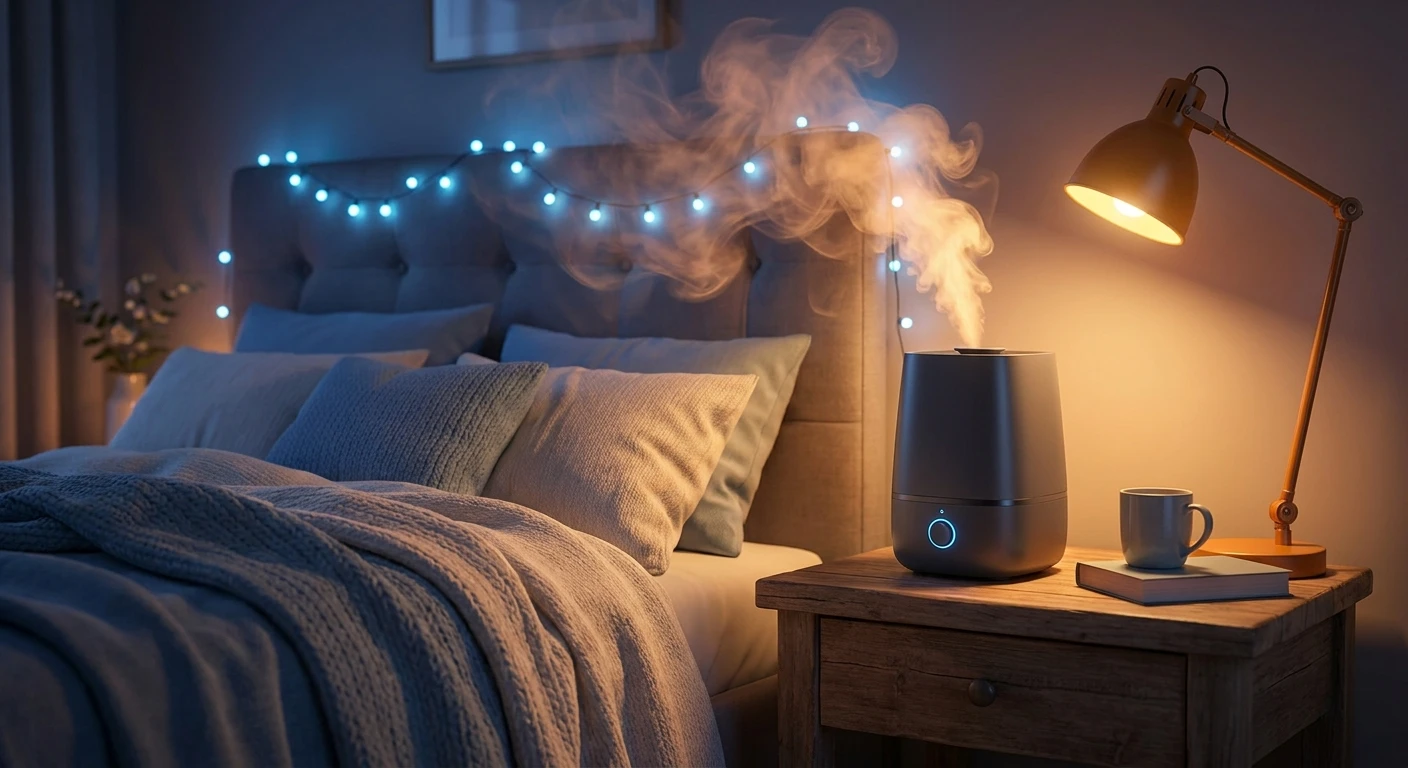
Dry indoor air combined with dropping temperatures creates the perfect storm for respiratory distress, but introducing the Euky Bear Steam Vaporiser into your sleep environment changes the equation entirely. When the heater kicks on during the colder months, ambient humidity plummets, leaving mucous membranes dry and vulnerable to irritation. This rapid loss of moisture often leads to relentless nighttime coughing, sinus pressure, and disrupted sleep cycles that leave families exhausted.
Maintaining a balanced indoor humidity level directly supports the body’s natural defense mechanisms against airborne irritants. By boiling water to produce a steady flow of warm, medicated steam, this specific device restores lost moisture to the air while delivering the soothing properties of natural essential oils directly to the respiratory tract. Medical professionals consistently highlight the necessity of proper airway hydration for optimal mucociliary function—the process by which your lungs clear out debris and congestion. A dedicated warm steam device actively thickens the air with moisture, breaking down thick mucus and easing chest tightness. Establishing a consistent routine with a reliable vaporiser fundamentally shifts the baseline of respiratory comfort, ensuring that cold and flu season becomes far more manageable for everyone in the household.
Read also: Jai Arriw: The Ultimate Framework for Athletic Conditioning; Guide to Finding the Best Dishwasher Tablets.
Understanding the Core Benefits of Warm Steam Therapy
The primary advantage of using a dedicated warm steam device lies in its ability to simultaneously hydrate the air and deliver inhalants without dispersing mineral dust. Unlike ultrasonic units that simply vibrate water particles into the air, a boiling element ensures that the moisture released is completely pure and free of bacteria. This distinction matters immensely when treating sensitive airways. For example, when an individual experiences acute chest congestion, the delivery of warm moisture relaxes the smooth muscles lining the airways. Another example is the treatment of dry sinus passages during high-altitude or arid weather exposure; the continuous warm mist prevents the nasal passages from cracking and bleeding.
| Device Type | Mechanism of Action | Best Application |
|---|---|---|
| Warm Steam Vaporiser | Boils water to release pure steam | Congestion relief, germ-free moisture |
| Ultrasonic Humidifier | Vibrates water into a cool mist | General room hydration in summer |
| Evaporative Humidifier | Blows air through a wet wicking filter | Large-scale ambient moisture control |
To maximize the therapeutic output of your unit, you need a systematic approach to its operation. Haphazard placement or improper filling drastically reduces its effectiveness. Here is the optimal procedure for setting up your device:
- Position the unit on a stable, flat surface at least one meter away from the bed to prevent accidental contact while maximizing room circulation.
- Fill the reservoir strictly to the indicated maximum water line to ensure the heating element operates safely without bubbling over.
- Add the precise recommended dosage of liquid inhalant directly to the water or the designated medication cup before powering on the unit.
- Run the device in a well-ventilated room with the door slightly ajar to prevent excessive condensation from forming on windows and walls.
The Origins of Steam Therapy
The practice of inhaling steam to clear the lungs traces its roots back thousands of years to ancient bathhouses and indigenous wellness rituals. Cultures across the globe recognized that placing heated stones in water and leaning over the rising vapor provided immediate relief from chest tightness and sinus pressure. Early apothecaries often boiled large pots of water infused with local herbs, directing the steam toward the patient using thick blankets. This crude but effective method formed the baseline understanding of respiratory hydration, proving that introducing heat and moisture to the airways actively loosens compacted mucus and soothes inflamed tissues.
The Evolution of the Euky Bear Brand
As electrical engineering advanced in the mid-twentieth century, the transition from dangerous stovetop boiling to controlled, bedside electrical units revolutionized home healthcare. The development of the Euky Bear Steam Vaporiser originated from a deep understanding of Australia’s rich eucalyptus heritage. Researchers recognized that combining the natural, volatile compounds of eucalyptus oil with a reliable, safe heating element created an unparalleled treatment for cold symptoms. The brand focused heavily on refining the safety mechanisms, moving away from exposed heating coils to fully enclosed elements that shut off automatically when the water level dropped, ensuring parents could run the device safely in a child’s bedroom overnight.
The Modern State of Home Vaporisers
Today, home vaporisers represent a sophisticated blend of simple thermodynamics and rigorous safety engineering. The modern Euky Bear Steam Vaporiser integrates features like quiet-boil technology, which reduces the intrusive bubbling sounds of older models, and double-walled insulation to keep the exterior relatively cool to the touch. These advancements mean the unit can operate continuously for up to 14 hours on a single fill, providing uninterrupted relief throughout the entire sleep cycle. The integration of precision-molded medication cups also ensures that the volatile eucalyptus compounds disperse evenly over hours, rather than flashing off in the first few minutes of operation.
The Science of Heated Moisture and Airway Physiology
The Thermodynamics of Steam Generation
At a mechanical level, generating pure steam requires transferring sufficient kinetic energy to water molecules until they break their liquid bonds and transition into a gaseous state. The vaporiser utilizes an electrical resistance element submerged in the water chamber. As electrical current passes through the element, it encounters resistance, generating intense heat. This heat transfers directly to the surrounding water. Because the system boils the water at 100 degrees Celsius, it effectively neutralizes any waterborne pathogens, mold spores, or bacteria present in the tap water. The resulting steam rises through the specialized baffle system, which regulates the output flow and prevents hot water droplets from sputtering into the room. This thermodynamic process guarantees that only pure, sterilized water vapor enters the ambient air.
Respiratory Physiology and Medicated Vapor
When this warm, saturated air enters the respiratory tract, it interacts directly with the mucosal lining. The warmth dilates local blood vessels, increasing blood flow and accelerating the delivery of immune cells to the irritated tissues. Simultaneously, the added moisture decreases the viscosity of the mucus. When medicated inhalants are added, the physiological response is amplified. The active compound in eucalyptus oil, primarily 1,8-cineole, acts as a natural expectorant and mild topical analgesic.
- Relative Humidity Control: Elevating room humidity to between 40% and 60% drastically reduces the survival time of airborne respiratory viruses.
- Mucociliary Clearance: Optimal hydration keeps the microscopic hair-like structures (cilia) in the respiratory tract upright and moving, sweeping debris out of the lungs.
- Receptor Activation: Compounds like cineole stimulate cold receptors in the nose, providing the immediate sensation of increased airflow and easier breathing.
- Osmotic Balance: Saturated steam prevents the osmotic pressure imbalance that causes cellular dehydration in the nasal passages during winter.
7-Day Respiratory Recovery Plan
Day 1: Initial Setup and Baseline Placement
Begin your recovery by locating a hard, water-resistant surface in the bedroom. Avoid placing the unit directly on carpets or delicate wood furniture. Keep it at least a meter from the bed and plug it directly into a wall outlet, avoiding extension cords for safety. Fill to the maximum line.
Day 2: Dialing in the Medicated Inhalant Ratio
On the second night, measure your inhalant carefully. Pour exactly the recommended amount (usually about 10ml or two capfuls) of eucalyptus inhalant into the water or the specific medication well. Do not overdose the oil, as overpowering fumes can irritate rather than soothe.
Day 3: Monitoring Room Humidity Levels
Observe the room environment. If you notice heavy condensation dripping down the windows, the room is too small or too sealed for the vaporiser’s output. Crack the bedroom door or open a window slightly to allow excess moisture to escape while maintaining a comfortable breathing environment.
Day 4: Mid-Week Cleaning and Maintenance Protocol
After three nights of heavy use, unplug the unit and empty any remaining water. Rinse the base thoroughly with warm tap water to remove concentrated mineral deposits. If you notice scale building up on the heating element, prepare a mild vinegar solution for the next day’s deep clean.
Day 5: Adjusting for Nighttime Airflow
Re-evaluate the placement based on the patient’s breathing patterns. Ensure the steam plume is directed toward the center of the room so it naturally circulates toward the bed without blowing directly into anyone’s face. The goal is ambient saturation, not a direct steam facial.
Day 6: Pairing Steam with Proper Hydration
Combine your external steam therapy with internal hydration. The vaporiser works best when the body is also well-hydrated. Drink plenty of clear fluids throughout the day so that the mucous membranes can fully utilize the ambient moisture provided by the machine at night.
Day 7: Deep Clean and Safe Storage Preparation
As symptoms subside, it is time to pack the unit away properly. Run a solution of one part white vinegar to two parts water through a short cycle to descale the element. Rinse it repeatedly, let it air dry completely in the sun, and store it in a cool, dry cabinet.
Myths & Reality
Myth: You can use any pure essential oil directly in the water tank of a steam vaporiser.
Reality: Standard essential oils float on top of the water and can aggressively attack and degrade the plastic components of the machine. You must use specially formulated water-soluble inhalants designed specifically for steam units.
Myth: Running the vaporiser 24/7 with the windows closed is the fastest way to cure a chest cold.
Reality: Over-humidifying a sealed room leads to condensation, which promotes dangerous mold and mildew growth on walls and bedding. Always maintain adequate ventilation.
Myth: Vaporisers don’t require regular cleaning if you only use purified water.
Reality: Even with filtered water, biological matter from the ambient air can settle in the stagnant reservoir. Regular rinsing and drying are mandatory to prevent bacterial proliferation inside the tank.
Myth: The steam produced is hot enough to heat the entire bedroom during winter.
Reality: While the steam is warm at the exit point, it dissipates rapidly and will not significantly alter the overall temperature of a standard-sized room.
Frequently Asked Questions
How much water does the reservoir hold?
The unit typically holds enough water to provide up to 14 hours of continuous operation, ensuring it lasts through an entire night of sleep without needing a refill.
Can adults use this device effectively?
Absolutely. While often marketed for children, the physiological benefits of steam therapy apply equally to adult respiratory systems suffering from congestion.
Where is the safest place to position the unit?
Place it on a low, stable, waterproof surface at least one meter away from anyone sleeping, keeping the cord tucked away to prevent tripping hazards.
Is the boiling process noisy during the night?
It produces a low, rhythmic boiling sound. Most people find this gentle white noise soothing, and it easily blends into the background of a quiet room.
Why does the water sometimes turn brown after use?
This is a normal reaction caused by the heating element interacting with natural minerals found in your local tap water supply. It does not affect the purity of the steam.
How often should I empty and replace the water?
You should empty any remaining water every single morning. Never leave stagnant water sitting in the unit, as this encourages bacterial growth.
Can I add salt to the water to make it boil faster?
No. Adding salt or baking soda alters the electrical conductivity of the water, which can cause the unit to over-boil, spit hot water, or trip your circuit breaker.
Will the steam damage my wooden furniture?
Direct, prolonged exposure to steam will warp and damage wood finishes. Always direct the steam plume away from vulnerable furniture and electronics.
Taking control of your indoor air quality during respiratory illnesses requires reliable tools and consistent habits. The Euky Bear Steam Vaporiser provides a dependable, scientifically sound method for easing congestion and securing a restful night’s sleep. Stop struggling with dry airways and relentless coughing—set up your warm steam therapy tonight and experience the relief firsthand!