
Why You Need a Stain Remover Pen Everywhere You Go
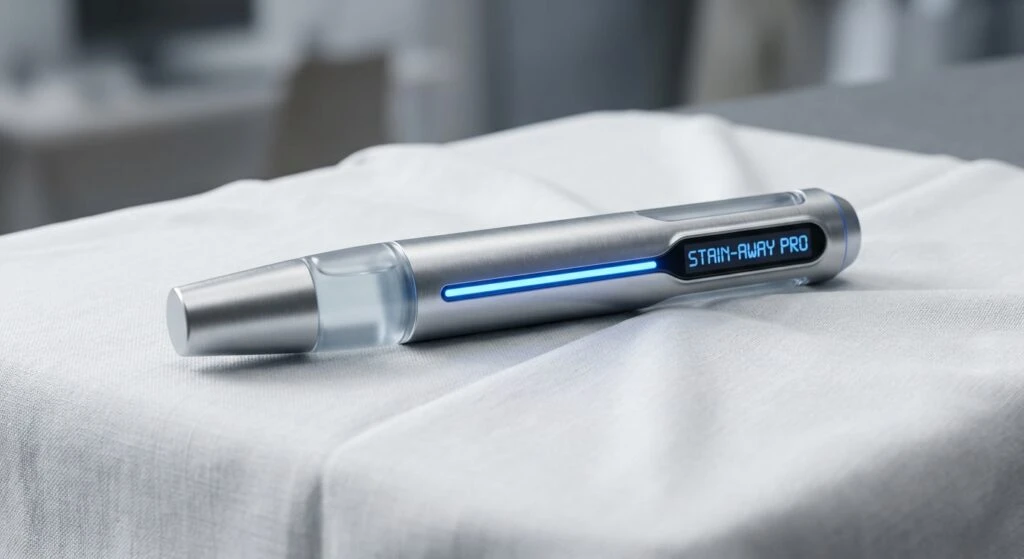
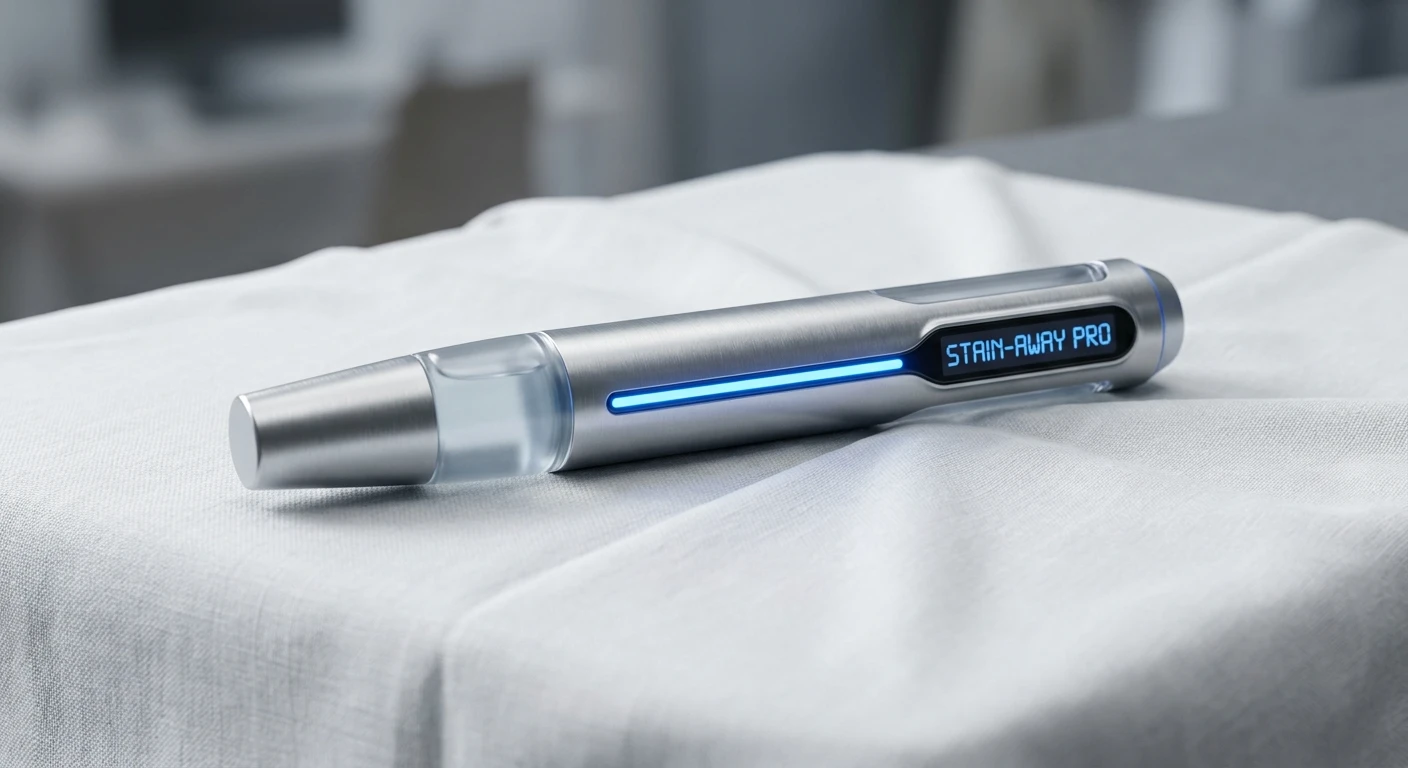
A stain remover pen is the ultimate secret weapon for anyone who loves coffee, wine, or simply living life without the constant fear of ruining their favorite shirt. Imagine you are at a critical business lunch or a formal dinner, and suddenly, a rogue droplet of espresso or dark sauce lands squarely on your pristine clothing. Panic sets in, but having a portable fabric treatment device changes the entire dynamic of the situation. You do not need to rush to a restroom to frantically scrub the garment with abrasive industrial hand soap. Instead, you can pull out a compact, highly engineered tool designed specifically to halt the chemical bonding process of food and drink on fabric fibers.
We will explore the precise mechanisms of how these portable cleaning miracles operate, the underlying chemistry that powers their rapid action, and a step-by-step protocol to maximize their effectiveness during any fabric emergency. You will understand why carrying one of these devices is a non-negotiable part of modern daily preparedness. The science of fabric care has advanced significantly, moving from bulky laundry room bottles to sleek, pocket-sized applicators that deliver professional-grade surfactants directly to the site of an accident. By the end of this guide, you will know exactly how to handle unexpected spills with absolute confidence.
Read also: Guide to Finding the Best Dishwasher Tablets; Jai Arriw: The Ultimate Framework for Athletic Conditioning.
The Core Benefits and Immediate Action of Spot Cleaning
The primary advantage of a portable spot cleaner is time. Time is the absolute enemy when organic matter meets woven fabric. If a spill is allowed to dry, the chemical compounds within the food or beverage create strong hydrogen bonds with the cellulose or synthetic fibers of your clothing. Once those bonds cure, removing them requires heavy agitation, high heat, and harsh detergents that degrade the fabric’s integrity. A pocket-sized applicator interrupts this process immediately. The value proposition here is simple: you save expensive garments from premature ruin, maintain a professional appearance throughout the day, and eliminate the anxiety of dining out.
Consider these two specific examples of how the applicator delivers massive value. First, imagine a splash of bright red ketchup on a white polyester blouse. Polyester is notoriously oleophilic, meaning it attracts oils. The quick application of a spot-treatment fluid breaks the surface tension of the oil before it can permanently dye the synthetic threads. Second, think about black coffee on a cotton blend shirt. Cotton is highly absorbent, drawing the dark tannins deep into the weave. A quick-drying peroxide formula attacks the color molecules instantly, rendering the spill invisible.
| Cleaning Method | Portability Level | Best Used For |
|---|---|---|
| Stain Remover Pen | Extremely High (Pocket-sized) | Fresh food, coffee, wine, and quick touch-ups |
| Fabric Wipes | High (Wallet or purse) | Surface level dust and minor makeup smudges |
| Traditional Machine Wash | None (Requires a home or facility) | Deeply set-in dirt, overall garment sanitization |
| Plain Tap Water | High (Available in most restrooms) | Diluting fresh sugar spills, temporary flushing |
To act fast when a spill occurs, you must follow a rapid response protocol. Following these rules ensures the applicator can do its job properly:
- Stop the spread: Do not rub the spill with a napkin, which only pushes the liquid deeper and wider into the fabric weave.
- Extract the bulk: Carefully lift away any solid food matter or excess liquid using the edge of a spoon or a dull knife.
- Blot, never scrub: Use a clean, dry tissue to gently tap the surface, absorbing as much of the moisture as possible before applying the chemical solution.
The Origins of Portable Laundry Solutions
The history of fabric maintenance is deeply rooted in heavy, stationary processes. For decades, the only way to treat a soiled garment was to immerse it fully in a basin of water mixed with lye-based soaps. In the mid-20th century, the advent of commercial dry cleaning offered solvent-based spot treatments, but these required dropping the clothing off at a specialized facility. Consumers had no viable way to address accidents in real time. The concept of portable fabric care simply did not exist outside of carrying a damp cloth in a plastic bag, which was highly impractical and largely ineffective against deeply pigmented foods.
The Evolution of the Detergent Applicator
By the late 1990s, consumer goods companies recognized a massive gap in the market. People were commuting more, eating on the go, and wearing a wider variety of blended fabrics that showed spills easily. The first iterations of portable cleaners were essentially small spray bottles of watered-down laundry detergent. While somewhat effective, they left massive, soaked patches on clothing that took hours to dry and often left a sticky residue. Engineers needed a better delivery mechanism. The breakthrough came when designers looked at the stationary industry, specifically the felt-tip marker, and adapted that technology to deliver cleaning fluids with pinpoint accuracy.
The Modern State of Quick-Dry Chemistry
Today, the modern applicator is a marvel of chemical and mechanical engineering. The formulas have evolved from heavy, sudsy soaps to lightweight, quick-evaporating solutions that leave almost zero residue. These modern liquids are engineered to be safe on colorfast fabrics while still packing enough oxidative power to destroy the chromophores in coffee and wine. The packaging is designed to prevent leaks at high altitudes, making them safe for air travel, and the applicator tips are formulated with specific textures to provide just the right amount of mechanical agitation without tearing delicate threads.
The Micro-Friction Applicator Tip
The physical design of the device is just as important as the liquid inside it. The tip of the applicator serves a dual purpose. First, it acts as a valve. When pressed against a hard surface, a small spring mechanism releases a metered drop of the cleaning fluid, preventing accidental flooding of the garment. Second, the tip is constructed from specialized porous plastics or dense felt. This texture provides micro-friction. By gently rubbing the tip over the fabric, you are physically parting the woven threads, allowing the chemical solution to penetrate deep into the substrate where the organic matter is trapped. This mechanical action mimics the agitation of a washing machine on a microscopic scale.
Surfactants and Peroxide Compounds Explained Simply
The cleaning fluid relies on two primary chemical agents: surfactants and hydrogen peroxide. A surfactant (surface-active agent) works by lowering the surface tension of water. It features a molecular structure where one end loves water and the other end loves oil. When applied, the oil-loving ends attach to the grease in a food spill, while the water-loving ends pull the entire complex away from the fabric fibers, creating microscopic spheres called micelles. Meanwhile, the hydrogen peroxide acts as a mild, color-safe oxidizer. It attacks the chemical bonds of the chromophores—the parts of a molecule responsible for color—breaking them down so they no longer reflect visible light, effectively turning a dark red wine stain invisible.
- Surfactant concentration: Engineered to lift organic oils without generating excessive foam that would require rinsing.
- Oxidation speed: Formulas are balanced to attack organic pigments within seconds of contact.
- pH balancing: The solutions maintain a near-neutral pH to prevent chemical burns on delicate animal fibers like silk or wool.
- Evaporation rate: Alcohols or specialized quick-drying agents are included so the treated area dries rapidly without leaving a stiff ring.
- Enzymatic absence: Unlike heavy laundry detergents, most portable pens omit live enzymes to extend shelf life and prevent skin irritation on direct contact.
Step 1: Assess the Fabric and Spill Type
Before deploying any chemical treatment, you must identify what you are dealing with. Check the garment’s care tag. If the fabric is labeled ‘Dry Clean Only,’ highly delicate, or prone to water spots (like certain silks), proceed with extreme caution or avoid wet treatments altogether. Identify the spill: is it a water-based liquid like tea, or an oil-based sauce like salad dressing? Portable applicators excel at water-based organics but can also handle mild oils if caught instantly.
Step 2: Remove Excess Residue Immediately
Never apply the fluid directly onto a thick mound of ketchup or a heavy dollop of mustard. Doing so will simply create a chemically infused slurry that drives the pigment deeper into the fibers. Use a napkin, a business card, or the dull edge of a butter knife to scrape away all physical bulk. You want to treat only the liquid that has actually penetrated the weave, not the structural debris sitting on top.
Step 3: Prime the Applicator Tip
If you are using a brand new device, or one that has been sitting in a bag for months, the tip may be dry. Press the tip down onto a clean paper towel or a discrete inside seam of the garment a few times. This actuates the internal valve and draws fresh fluid down into the porous felt pad. Wait until you see a small amount of liquid clearly wetting the tip before you begin the actual cleaning process.
Step 4: Apply the Formula in Concentric Circles
When treating the area, do not just stab at the center of the dark spot. Start slightly outside the visible perimeter and work your way inward using small, concentric circles. This technique prevents the liquid from creating a ‘halo’ effect, where the dissolved pigments are pushed outward to form a new, larger ring on the fabric. Working from the outside in contains the organic matter.
Step 5: Agitate the Fibers Gently
Once the fluid is applied, use the textured tip to gently massage the area. The keyword here is gentle. You are not trying to sand off the top layer of your clothing. Apply light pressure and rub in small motions. This micro-agitation helps the surfactants break the physical bonds between the food oils and the fabric threads. Stop rubbing as soon as you see the dark pigments begin to lift and dissolve.
Step 6: Blot with a Clean Absorbent Cloth
Do not leave the freshly dissolved mixture of chemicals and food sitting on the garment. Take a clean, dry, white paper towel or cotton handkerchief and press it firmly against the wet spot. The dry cloth will act like a sponge, pulling the chemical-and-spill mixture out of the garment via capillary action. Lift and inspect the cloth; you should see the color of the spill transferred onto it.
Step 7: Air Dry and Inspect for Residue
Allow the treated area to air dry naturally. Do not apply a hair dryer or any high heat source, as heat can permanently set any microscopic remnants of the organic matter that might still be present. Once the area is completely dry, inspect it. If a slight shadow remains, you can repeat the process one more time. Remember to wash the garment properly in a washing machine as soon as your day concludes.
Myths and Realities of Fabric Maintenance
Myth: A portable applicator can remove permanent ink and industrial grease.
Reality: These formulas are heavily optimized for organic food and beverage spills, such as coffee, tea, wine, and fruit juice. They do not contain the harsh industrial solvents required to break down permanent marker resin, printer ink, or heavy automotive grease.
Myth: The harder you scrub with the tip, the faster the spot disappears.
Reality: Aggressive scrubbing physically damages the textile fibers, causing them to fray and pill. This permanent mechanical damage often looks worse than the original discoloration. Gentle agitation is all that is required for the chemicals to work.
Myth: These devices contain chlorine bleach that will ruin dark clothing.
Reality: High-quality modern applicators use color-safe oxygen-based brighteners, typically mild hydrogen peroxide, rather than destructive sodium hypochlorite (chlorine bleach). They are specifically formulated to be safe on most colorfast everyday garments.
Myth: An applicator replaces the need to do laundry.
Reality: They are designed as an emergency stop-gap measure to visually eliminate the disaster and prevent permanent setting. The garment still contains chemical surfactants and microscopic food particles that must eventually be washed out in a standard laundry cycle.
Does a stain remover pen work on grease?
They are moderately effective on light grease, such as a drop of salad dressing or a minor butter smudge, primarily because of the surfactants in the formula. However, they are not heavy-duty degreasers and will struggle against heavy machine oil or thick cooking grease.
Can I use it on silk?
Using any localized wet treatment on silk is risky because silk is prone to water spotting and color bleeding. If you must try, test it on a hidden interior seam first, but generally, delicate fabrics like silk and wool should be left to professional dry cleaners.
Does it expire?
Yes, the active chemical agents, particularly oxygen-based brighteners like hydrogen peroxide, slowly degrade over time. Most manufacturers recommend replacing the device every 12 to 18 months for maximum efficacy, even if there is still liquid left inside the tube.
Are the chemicals toxic?
The solutions are formulated to be safe for accidental skin contact and general consumer use, but they are not meant for ingestion or contact with eyes. Always wash your hands if the fluid leaks onto your fingers during a frantic cleanup effort.
Do I still need to wash the garment?
Absolutely. The applicator neutralizes the visual aspect and halts the chemical bonding, but the broken-down food particles and the cleaning surfactants remain trapped in the fabric weave. You should wash the garment according to its care label as soon as possible.
Will it work on blood?
They can be highly effective on fresh drops of blood due to the peroxide content, which reacts violently with the catalase enzyme in blood, breaking it down rapidly. However, if the blood has dried completely, cold water soaking is usually required first.
Can it go through airport security?
Yes, virtually all consumer models hold between 10ml and 20ml of liquid, which is well under the TSA and international aviation limits for carry-on liquids. They are an essential travel accessory for long-haul flights where dining turbulence is common.
Final Thoughts and Next Steps
Being prepared for the unexpected is a hallmark of a well-organized life. A stain remover pen is a minimal investment that pays massive dividends the very first time you drop a meatball on a white dress shirt before a crucial event. Understanding the mechanical friction of the tip, the chemical lifting power of the surfactants, and the proper blotting technique ensures you get flawless results every single time. Do not let a minor culinary accident ruin your wardrobe or your confidence. Evaluate your daily carry essentials, purchase a reliable portable applicator today, and step out the door knowing you are fully protected against the chaos of daily life.