

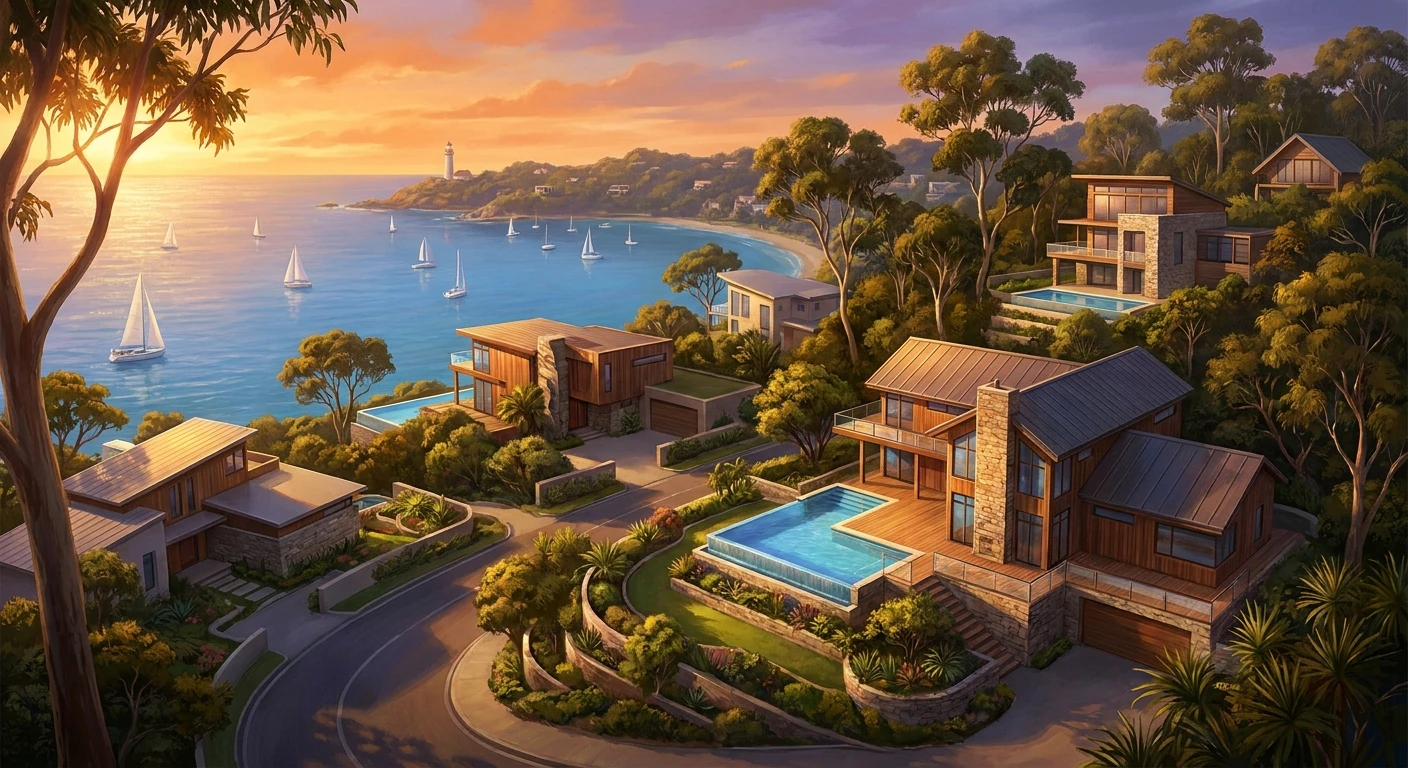
Why mosman Is the Ultimate Coastal Escape
If you want to experience the absolute pinnacle of Sydney’s harbor lifestyle, mosman is the destination you simply cannot ignore. When I first moved from the snowy, bustling streets of Kyiv to Australia, I was desperately seeking a place that balanced urban convenience with pristine natural beauty. I found exactly that here. It is one of those rare places where you can grab a world-class espresso, walk five minutes, and find yourself staring out at yachts bobbing gently in a sun-drenched bay. Honestly, it feels like a completely different world compared to the concrete jungle of the central business district, yet it is just a short ferry ride away.
My first impression of this suburb was purely magical. You step off the ferry at the wharf, and the salty breeze instantly hits you, washing away the stress of the day. The locals are incredibly relaxed, the streets are lined with heritage trees, and everywhere you look, there is a stunning view of the water. Whether you are coming here to invest in real estate, spend a family weekend, or simply escape the chaotic pace of everyday life, this peninsula offers a lifestyle that is incredibly hard to beat. I promise you, once you spend a weekend exploring these undulating hills and hidden coves, you will totally understand the hype.
Read also: Ultimate Guide to Visiting lincolns rock; Why You Must Visit carnarvon golf club.
The Core Benefits of the Suburb
What makes this area so universally appealing? It really comes down to an unbeatable combination of geography, community infrastructure, and an unwavering commitment to preserving green spaces. Unlike open-ocean suburbs that constantly battle harsh winds and massive swells, this harbor enclave enjoys sheltered coves that offer a tranquil environment year-round. You get the benefits of coastal living without the chaotic weather patterns. It provides a unique value proposition: it is an exclusive residential haven that remains incredibly accessible to visitors who want to share in its beauty.
Two perfect examples of this value proposition are the local real estate market and the daily lifestyle. For residents, properties here consistently maintain their high value due to strict zoning laws and heritage protections, meaning an investment here is remarkably secure. For visitors and locals alike, the lifestyle revolves around the outdoors—morning jogs along the esplanade, paddleboarding at dawn, and picnicking in the massive harborside reserves. It is a highly active, health-conscious community that thrives on its proximity to the ocean.
| Key Feature | Primary Benefit | Prime Example |
|---|---|---|
| Harbor Beaches | Safe, wave-free swimming perfect for young families | Balmoral Beach |
| Wildlife Integration | World-class conservation and animal encounters | Taronga Zoo |
| Commercial Hub | High-end boutique shopping and artisanal dining | Military Road |
If you are planning to visit, there are a few things you absolutely must do to get a feel for the local rhythm. Here is a quick list to get you started on the right foot:
- Catch the iconic green and yellow Sydney ferry directly from Circular Quay to the local wharf—the views of the Opera House along the way are spectacular.
- Grab a freshly brewed flat white from one of the artisanal cafes right on the esplanade before taking a morning stroll.
- Hike the scenic trail stretching from Bradleys Head to Chowder Bay for some of the best harbor photography angles you will ever find.
History and Heritage
Origins and Early Custodians
To truly appreciate the area, you have to look back at its deep historical roots. Long before European ships sailed into the harbor, this land was home to the Borogegal people. They were the traditional custodians of the area, living in harmony with the rich marine and terrestrial environments. The harbor provided an abundant source of fish, shellfish, and natural resources, fostering a thriving culture that deeply respected the land. Traces of this ancient heritage can still be found today through various rock engravings and middens scattered across the peninsula, reminding us of the enduring legacy of the First Nations people.
Colonial Evolution and Maritime Roots
The European history of the suburb kicked off in the early 19th century. In 1831, a Scottish merchant named Archibald Mosman, along with his twin brother George, established a prominent whaling station in what is now known as Mosman Bay. Whaling was a massive industry back then, and the deep, sheltered waters of the bay made it an ideal location for ships to anchor and process their catch. Over the decades, the whaling industry eventually faded, and the area began a slow but steady transition. Grand Victorian and Edwardian mansions began popping up on the hillsides as wealthy merchants sought out the stunning views and fresh sea air, laying the groundwork for the affluent residential character we see today.
Modern State of the Peninsula
Fast forward to the present day, and the suburb has brilliantly managed to balance its historical charm with contemporary demands. As we navigate through 2026, the area stands as a model for sustainable luxury. Heritage-listed buildings have been meticulously restored and repurposed, housing chic cafes and modern art galleries. The local council places a massive emphasis on environmental conservation, ensuring that the sprawling national parklands and pristine beaches remain untouched by overdevelopment. It is a brilliant mix of the old and the new, where you can walk past a 19th-century stone wall on your way to a highly modern, eco-friendly architectural masterpiece.
The Science of the Shoreline
Coastal Ecology and Sand Dynamics
Have you ever wondered why the beaches here look so different from places like Bondi or Manly? It comes down to coastal ecology and harbor geography. Because the suburb is situated within the sheltered confines of Sydney Harbor, it is protected from the intense longshore drift and massive ocean swells that constantly reshape open-coast beaches. The water here is relatively calm, which allows delicate marine ecosystems to flourish. Underneath the surface, you will find extensive meadows of Posidonia australis, a type of seagrass that acts as a vital nursery for juvenile fish and seahorses. This calm environment also means the sand here does not wash away as aggressively during winter storms, maintaining those perfect, flat sandy stretches that sunbathers love.
Real Estate Micro-Economics
From an economic standpoint, the local housing market operates on a fascinating micro-level driven almost entirely by topography and sightlines. Economists often refer to this phenomenon as the “harbor premium.” Essentially, the price per square meter does not just depend on the size or quality of the house, but exponentially increases based on the percentage of unimpeded water views the property commands. This creates highly localized price variations even within the same street.
- The local harbor ecosystem supports over 200 distinct species of marine fish, making it a hotspot for casual snorkeling.
- Advanced sand retention strategies and eco-friendly retaining walls are utilized to prevent slow erosion during exceptionally high king tides.
- Despite broader market fluctuations, median property values here remain incredibly stable due to the absolute scarcity of available waterfront land.
- Microclimates exist across the peninsula; the northern slopes tend to be significantly warmer and less windy than the southern, ocean-facing crests.
Your Ultimate 7-Day Itinerary
Day 1: Arrival and Balmoral Beach
Kick off your trip by heading straight to the crown jewel of the area. Spend your first morning renting a stand-up paddleboard and gliding across the incredibly clear, calm waters. Afterward, treat yourself to a massive, leisurely brunch at the historic Bathers’ Pavilion. The afternoon is best spent laying on the white sand, reading a good book, and simply soaking in the incredibly relaxed, vacation-style atmosphere.
Day 2: Taronga Zoo Exploration
You cannot come here without dedicating a full day to the wildlife. Catch the ferry over and take the scenic cable car up to the zoo entrance. Spend hours walking the winding paths, marveling at everything from native koalas and kangaroos to majestic African elephants. The zoo also offers some of the most breathtaking panoramic views of the Sydney skyline, so make sure your camera battery is fully charged.
Day 3: Military Road Shopping Spree
Time to hit the pavement for some retail therapy. Military Road is the bustling commercial spine of the suburb, packed edge-to-edge with high-end boutiques, local designer labels, and charming homeware stores. Stop for a quick pastry at a French bakery, browse the racks for unique fashion finds, and enjoy the lively, community-focused energy of the main street.
Day 4: Chowder Bay Heritage Walk
Lace up your favorite walking shoes for a mix of history and nature. Start at Bradleys Head and weave your way along the spectacular coastal trail through the national park toward Chowder Bay. You will pass through dense native bushland, spot colorful local birdlife, and eventually arrive at beautifully preserved historic naval buildings where you can grab a well-deserved seafood lunch right on the water.
Day 5: Middle Head Fortifications
Take a deep dive into Australia’s military history by exploring the network of old bunkers and gun emplacements at Middle Head. These defensive structures were built in the 19th century to protect the harbor from potential invasions. Walking through the underground tunnels and looking out over the sheer cliffs down to the crashing waves below is an incredibly atmospheric and humbling experience.
Day 6: Georges Heights Lookout
Take it slightly easier today with a visit to Georges Heights. The Headland Park here offers magnificent, sweeping views that stretch all the way out through the heads to the Pacific Ocean. It is a fantastic spot to roll out a picnic blanket, enjoy some artisanal cheeses you picked up from a local deli, and watch the endless parade of sailboats and ferries navigating the harbor channels.
Day 7: Farewell Sunrise at Chinamans Beach
For your final morning, wake up before the sun and head over to the incredibly peaceful, somewhat hidden Chinamans Beach. It is much quieter than the main strips, making it the absolute perfect spot to watch the sunrise paint the sky in vibrant shades of pink and orange. Take one last barefoot walk along the shoreline before packing up and heading home, feeling completely refreshed.
Separating Fiction from Fact
There are quite a few misconceptions floating around about this part of the city, so let us clear up a few of them right now.
Myth: It is absolutely impossible to visit or enjoy the area if you are traveling on a strict budget.
Reality: While it is true that the real estate is astronomically priced, the best parts of the suburb—the stunning coastal walks, the public harbor beaches, and the beautiful national parklands—are completely free for everyone to enjoy.
Myth: The area is essentially a retirement village and lacks any good dining options after dark.
Reality: The evening culinary scene has exploded over the last few years. You will find a vibrant mix of cozy wine bars, contemporary Asian fusion restaurants, and lively waterfront bistros packed with young professionals and families alike.
Myth: It is too isolated from the rest of the city center to be a convenient base for a vacation.
Reality: A quick 15-minute ferry ride from the local wharf puts you right at the steps of the Sydney Opera House. It is actually one of the most conveniently located suburbs if you want to escape the noise but stay connected to the action.
Frequently Asked Questions
How far is it from the CBD?
It is roughly 8 kilometers from the central business district. You can easily reach it by a very scenic ferry ride or a quick bus trip over the Harbour Bridge.
Is it family-friendly?
Absolutely. With its exceptionally calm waters, numerous fenced playgrounds, and expansive green picnic areas, it is widely considered one of the best spots for kids in the city.
What is the best time to visit?
Spring (September to November) and autumn (March to May) offer the most comfortable, temperate weather for outdoor activities, avoiding the extreme heat of mid-summer.
Do I need a car?
Not necessarily. Public transport, specifically the bus network and ferries, is highly reliable. However, a car can be handy if you plan to explore the broader northern beaches area.
Are the beaches safe for swimming?
Yes. Because they are harbor beaches, they are protected from ocean swells, meaning they completely lack the dangerous rips and massive waves found on open-ocean beaches.
Can you surf there?
No. The waters are far too calm for surfing, which actually makes them perfect for alternative water sports like kayaking, snorkeling, and stand-up paddleboarding.
Where can I get the best coffee?
You will be spoiled for choice. There are top-tier cafes serving specialty roasts scattered all along Military Road and lining the beach promenades.
At the end of the day, mosman is much more than just an affluent postcode; it is a vibrant, breathtakingly beautiful community that showcases the very best of Australian coastal living. Whether you are coming for the day to hike the trails or looking to settle down in a harborside paradise, this suburb will leave a lasting impression on you. Grab your ferry ticket, pack a good pair of walking shoes, and come see this spectacular enclave for yourself!