
Discover the Magic of lincolns rock
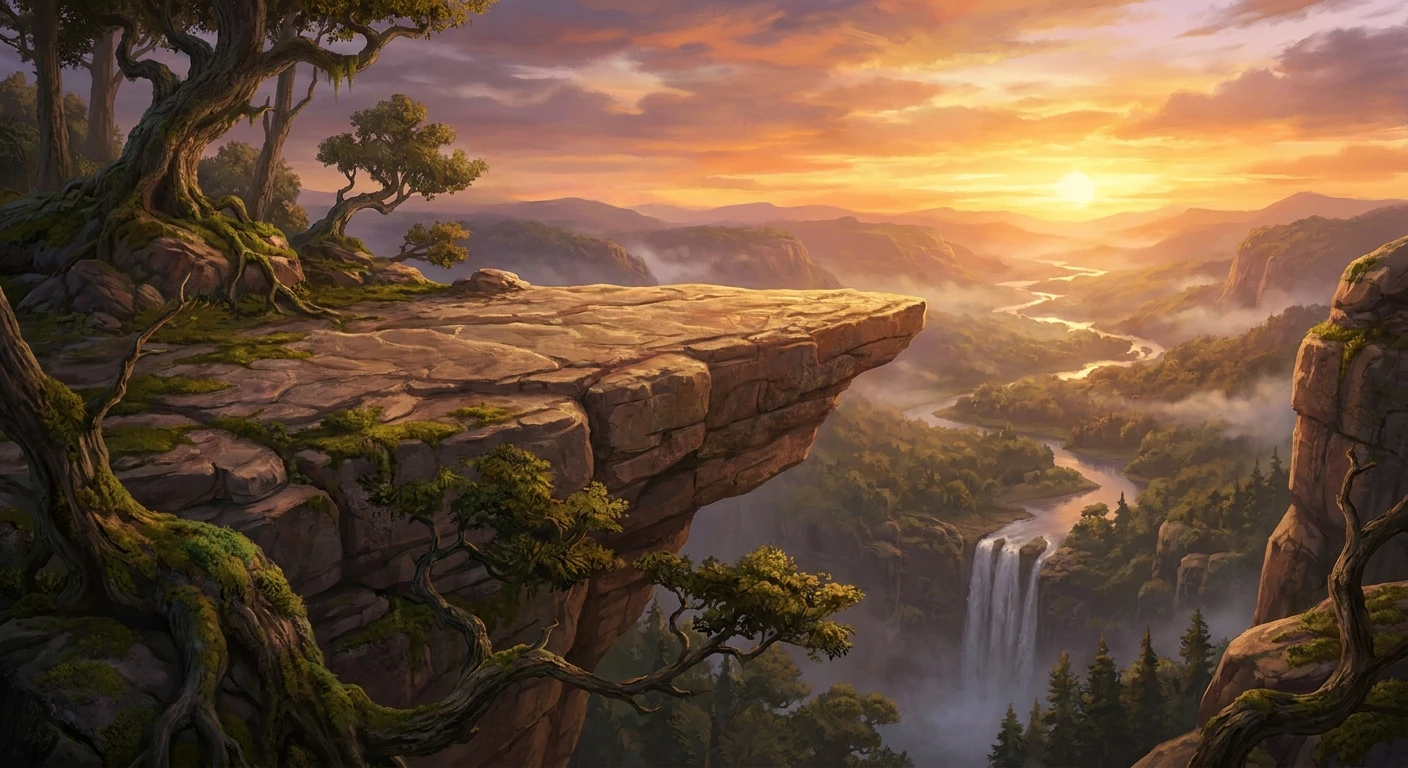
If you are craving an unforgettable sunset, hiking out to lincolns rock is the absolute best decision you can make this weekend. Honestly, when I first drove up there, I wasn’t expecting much more than a standard tourist lookout, but my entire perspective shifted the second I stepped out onto that massive sandstone plateau. A good friend of mine who recently relocated from Kyiv visited this spot with me, and she told me the sprawling, endless horizons immediately reminded her of the vast, open skies above the Carpathian Mountains—just with a much more dramatic, sheer cliff drop. It is wild how nature connects us across continents and brings up those intense feelings of nostalgia and awe. You might be wondering why this specific ledge in the Blue Mountains gets so much hype. Well, it is 2026, and finding a spot that feels genuinely untouched by endless commercialization is getting harder every single day. This place delivers that raw, unfiltered outdoor experience you have been searching for. You do not have to hike for five grueling hours to get a massive payoff, either. The cool mountain breeze hitting your face as you look out over the Jamison Valley is pure, unadulterated therapy. I am telling you right now, grab your favorite windbreaker jacket, maybe a thermos of hot tea, and just sit there as the sky turns violent shades of pink, purple, and orange. It completely resets your nervous system. Make sure you read through everything here, because I have got some insider details that will save you time, hassle, and maybe even a twisted ankle.
Let us talk about why you actually need to make the drive out here. The sheer scale of the cliff edge provides a mental reset that you just cannot get while sitting in a stuffy city apartment or staring at a computer screen. It gives you an unbelievable, sweeping panoramic view of the Jamison Valley, stretching out as far as the eye can see, filled with dense eucalyptus forests and rolling mist. Here is a quick breakdown to help you plan your arrival perfectly:
| Time of Day | Lighting Quality | Crowd Level |
|---|---|---|
| Sunrise | Soft pinks, hazy, incredibly magical | Very low (mostly dedicated photographers) |
| Mid-Day | Harsh shadows, very bright and flat | High (tour buses, noisy families) |
| Sunset | Golden hour glow, fiery oranges | Very high (arrive super early to park!) |
The real value of this particular lookout comes down to two major things. First, the photography opportunities are absolutely unmatched by almost any other spot in New South Wales. You get that amazing optical illusion effect where you can take a picture of someone sitting on a lower ledge, and it looks like they are dangling their feet right over the deadly abyss (even though there is solid, safe ground just out of the camera frame). Second, the accessibility-to-reward ratio is just insane. You get the maximum aesthetic reward for the absolute minimal physical effort. You do not need to be a seasoned mountaineer to appreciate this view.
Here are the top three reasons you should bump this spot up your weekend itinerary right now:
- Instant Accessibility: You literally park your car, walk down a short dirt path for maybe three minutes, and boom, you are standing on the edge of the world. No heavy boots required.
- Unobstructed Panoramas: Unlike some other lookouts that have massive metal fences, warning signs, and concrete viewing platforms built all over them, this spot maintains a rugged, completely natural feel.
- Epic Sunset Vibes: The way the sun dips behind the distant ridges casts a spectacular golden glow over the entire valley that you just have to witness with your own eyes to believe.
Just keep your wits about you, because there are no safety rails to catch you if you trip. It is just you, the ancient stone beneath your feet, and the vast expanse of the valley echoing below.
Origins of the Sandstone Plateau
Millions of years ago, the entire region we now call the Blue Mountains was essentially a giant, swirling river delta. Over countless millennia, thick layers upon layers of sand were deposited, compressed, and slowly turned into the magnificent Hawkesbury sandstone you stand on today. The sheer, vertical cliffs were carved out by immense water erosion over eons, creating the dramatic, deep valleys down below. Standing on this specific ledge, you are literally standing on ancient geological history. The indigenous Darug and Gundungurra people have held a deep, profound spiritual connection to these valleys for tens of thousands of years, respecting the raw power, the spirits of the land, and the rich resources of this incredible environment. It is humbling to stand there and realize how brief our human timeline is compared to the stone beneath us.
Evolution of the Naming
You will probably hear older locals still referring to it as Flat Rock. For decades, it did not really have an official tourist name. It was just that awesome, massive flat rock you could hang out on with your friends on a Friday afternoon. However, back in 2013, the geographical naming board officially changed the designation to honor Lincoln Hall. Lincoln Hall was an absolutely incredible Australian veteran mountaineer who famously survived a harrowing near-death experience near the summit of Mount Everest in 2006. He actually lived in the Blue Mountains region, specifically in the nearby town of Wentworth Falls, and dedicating this spectacular, sky-high vantage point to him was a massive sign of respect from the local community. It perfectly captures his adventurous, resilient, and enduring spirit.
Modern State of the Lookout
Today, the location has morphed from a secret, locals-only hangout into a widely recognized, global destination. Social media, especially visual platforms, definitely played a massive role in blowing up its popularity. Despite the heavy daily foot traffic, local authorities have deliberately kept the infrastructure to a bare minimum to preserve its wild, untamed charm. You won’t find massive concrete visitor centers, annoying ticket booths, or sprawling gift shops here. It remains a raw patch of dirt and stone at the dead end of Hordern Road, completely exposed to the wind, the rain, and the sun. It is a testament to keeping wild spaces wild.
Geological Formation Dynamics
Okay, I know geology might sound like a total snooze fest, but the hard science behind how this massive shelf holds together without snapping off is actually pretty cool. The ground beneath your boots is predominantly Hawkesbury Sandstone, which was laid down during the Middle Triassic period. Basically, it is just really, really old, tightly compressed sand mixed with quartz grains. So, what stops the edge from just crumbling away instantly under the weight of hundreds of snapping tourists? It is all about the ironstone banding. These iron-rich bands act like natural, rigid structural reinforcement within the much softer sandstone. Over time, the softer rock erodes away due to punishing wind and water, leaving these harder, iron-rich ledges protruding out proudly. That is precisely why you get these massive, flat overhangs instead of just smooth, grassy sloped hills. When you sit on the edge, you are trusting a brilliant natural architectural design that has been weathering brutal storms for hundreds of millions of years.
Flora and Microclimates
The ecosystem clinging to the edges of the cliff is remarkably tough and resilient. Because the soil is incredibly shallow and nutrient-poor, you see a lot of scrubby, hardy vegetation desperately holding onto the rock face.
Here are a few quick scientific facts about the unique environment out here:
- Eucalyptus Haze: The famous, iconic blue haze of the mountains is actually caused by microscopic eucalyptus oil droplets interacting with dust particles and water vapor to scatter short-wavelength blue light rays.
- Rapid Erosion Rates: While it looks solid and permanent, sandstone is highly porous. Heavy rains cause microscopic erosion every single year, meaning the cliff face is constantly, albeit very slowly, retreating backward.
- Thermal Updrafts: The sheer vertical drop creates massive, powerful thermal updrafts. Freezing cold air drops down into the valley at night, and hot air rushes up the cliff face rapidly during the day, which is exactly why you often see beautiful birds of prey gliding effortlessly right at the edge without flapping their wings.
Step 1: Pre-Dawn Preparation
If you want the absolute best possible experience without fighting for elbow room with fifty other people, you really have to wake up early. Set your alarm for well before dawn. Grab a heavy, windproof jacket because the mountain air is freezing before the sun comes up, even if you are visiting in the middle of summer. Pack a fully charged headlamp, double-check your camera batteries, and throw a bottle of water in your bag.
Step 2: The Drive Up the Mountain
Navigate your way toward the quiet town of Wentworth Falls. The drive up the Great Western Highway from Sydney is usually pretty peaceful and empty at this hour. Crank up your favorite acoustic playlist, grab a strong black coffee from a 24-hour service station, and enjoy the winding, misty mountain roads as the sky just barely starts to lighten up.
Step 3: Securing Your Parking Spot
Turn onto Hordern Road and take it super slow. The road is unsealed at the very end, and there are often massive, hidden potholes that can completely wreck your vehicle’s suspension if you hit them fast. Park respectfully—do not be that person who blocks the driveways of the local residents who live right next to the trail entrance. Be quiet so you don’t wake the neighborhood up.
Step 4: The Short Trail Walk
It is literally a three-minute, incredibly easy walk from the dirt parking patch to the edge of the cliff. The trail is wide and mostly flat, but watch out for thick tree roots and loose rocks. Turn your headlamp on so you don’t trip in the dark and twist an ankle before you even see the view.
Step 5: Finding the Perfect Vantage Point
Once the trees suddenly clear, the massive plateau opens up before you. Do not just stop at the very first patch of rock you see near the entrance. Walk along the edge (staying safely back from the drop) to the far left side where there is a slightly lower, secluded ledge. This gives you much better angles for photography without having to stand too close to the actual terrifying drop-off.
Step 6: The Golden Hour Photography
As the sun finally peaks over the distant horizon, the sandstone literally lights up like it is on fire. This is the moment you came for. Keep your camera settings adjusted for low light if you are shooting manually—drop your f-stop and bump the ISO slightly. Use the dark silhouettes of the scrubby eucalyptus trees in the foreground to give your shots incredible, professional-looking depth and scale.
Step 7: Safe Descent and Post-Hike Coffee
Once you have completely soaked in the majestic views and the larger crowds start rolling in around 8 AM with their loud conversations, it is time to pack up and leave. Head back into the picturesque village of Wentworth Falls or the nearby town of Leura. Hit up a cozy local bakery for a hot, flaky meat pie or a massive, frothy cappuccino. You definitely earned it.
Myth: It requires a massive, exhausting, multi-hour hike to get there.
Reality: It is incredibly accessible. You literally park your vehicle and walk less than five minutes on a mostly flat dirt path to reach the very edge of the world.
Myth: The famous “hanging off the edge” photos you see online are super dangerous.
Reality: While you absolutely must be very careful near any cliff edge, most of those viral photos use forced perspective tricks. There is often a secondary, wide ledge just a few feet beneath the main rock that safely catches the person if they were to slip.
Myth: It is a hidden, secret gem that nobody knows about anymore.
Reality: As of 2026, it is highly popular. If you show up at sunset on a beautiful Saturday afternoon, expect to share the rock with fifty other people playing loud music and flying buzzing drones.
Myth: The site is fully managed with safety rails, clear signs, and bathrooms.
Reality: There are zero facilities out there. No toilets, no trash cans, and absolutely no fences to hold you back. Nature is completely raw here.
Is there a safety fence?
No, there are no metal fences or wooden barricades at all. You are 100% responsible for your own personal safety near the sheer edge.
Can I bring my dog?
Technically it is within the National Park boundaries where domestic pets are strictly banned to protect the fragile native wildlife, so it is definitely best to leave your dog at home.
Is it safe for children?
It can be, provided you hold their hands constantly and never let them run loose. The sudden, unguarded drop-offs are severely dangerous for roaming toddlers.
Do I need a National Parks pass?
Currently, parking your car at the very end of Hordern Road is completely free and does not require a paid park pass, but always check local council signs as rules change frequently.
Is it wheelchair accessible?
Unfortunately, no. The dirt path leading from the parking area is heavily rutted, rocky, completely unpaved, and very uneven.
Are there toilets nearby?
No public facilities exist at the site whatsoever. Make sure you use the public restrooms in Wentworth Falls village before you arrive.
Can I fly a drone?
You must strictly abide by CASA aviation regulations and National Park rules. Often, flying drones requires a specific, hard-to-get permit to avoid disturbing the native wildlife and annoying other visitors.
Is it safe at night?
It is extremely, pitch-black dark out there. Unless you are an experienced astrophotographer with proper, high-end gear and strong lights, wandering near the cliff edge at night is highly discouraged.
At the end of the day, packing up your gear and heading out to this epic cliffside is a memory you will cherish forever. The combination of ancient history, breathtaking natural architecture, and pure accessibility makes it a winner. Get your travel crew together, check the weather forecast for clear skies, and hit the road this weekend!