
The Magic of a Pink Christmas Tree for Modern Holidays
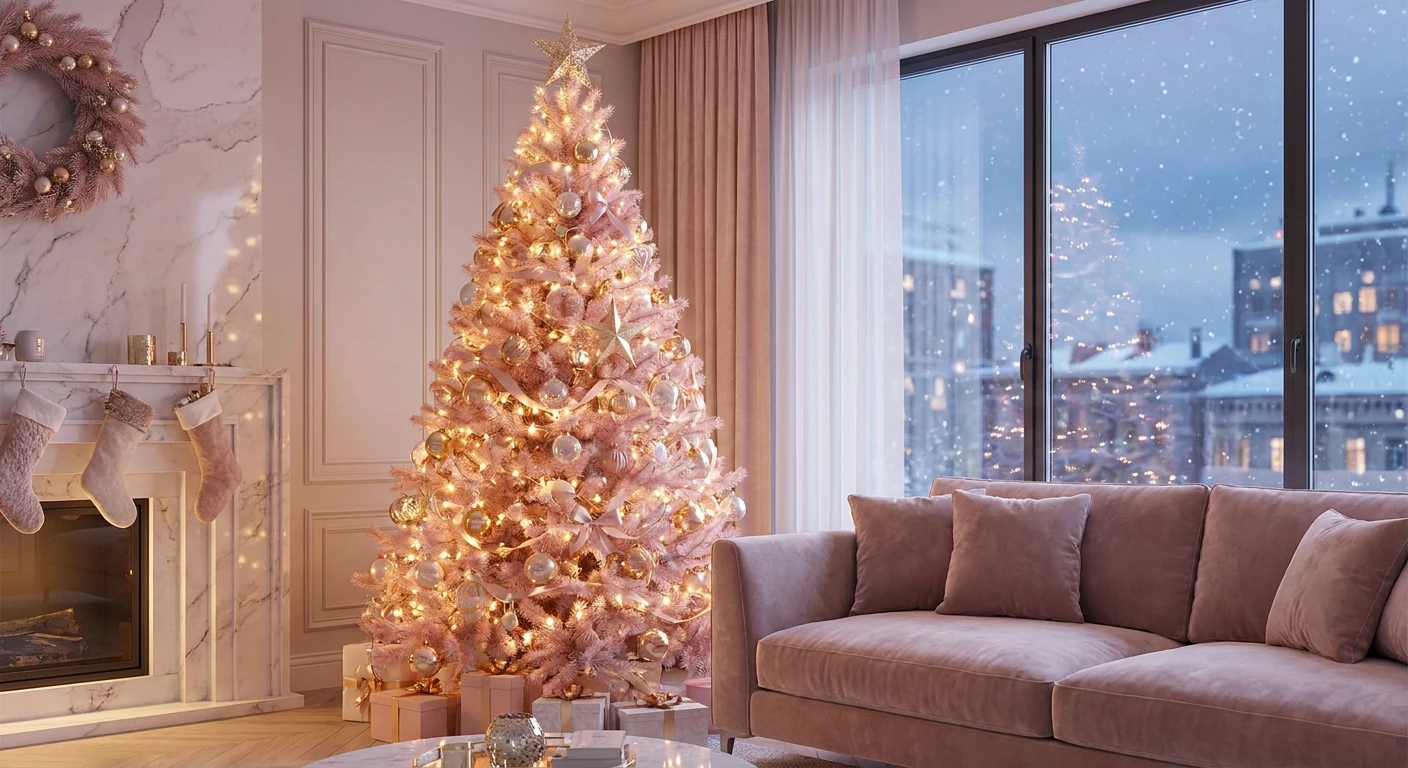
Setting up a pink Christmas tree instantly elevates your holiday decor from standard traditionalism to a strikingly contemporary visual experience. Breaking away from the classic green evergreen needles opens up an entirely new spectrum of creative possibilities, allowing decorators to curate living spaces that reflect distinct personal aesthetics while still deeply honoring seasonal joy. The presence of such a bold focal point redefines the atmosphere of a room, replacing the heavy, darker tones of winter with a light, playful, and incredibly warm ambiance. Interior design trends have steadily shifted toward personalized holiday expressions, moving beyond the standard reds and greens to embrace pastel palettes, bold magentas, and soft blush tones. The psychological impact of choosing non-traditional colors is significant; lighter hues tend to make enclosed winter spaces feel more expansive, uplifting, and cheerful. Artificial foliage provides a perfect, symmetrical canvas for unique ornaments, ensuring that every branch contributes to a cohesive artistic vision. Whether you are aiming for a retro-chic vibe or a luxurious, glamorous aesthetic, selecting this distinctive centerpiece completely transforms the visual dynamic of your seasonal celebrations, making your home a memorable space for gatherings.
Core Benefits and Styling Foundations
Understanding how to maximize the visual impact of a non-traditional centerpiece requires a solid grasp of color theory and spatial design. The aesthetic benefits go far beyond simple novelty. First, these distinctive decor pieces act as brilliant light reflectors. Unlike dark green foliage that absorbs ambient room lighting, lighter pastel branches bounce light outward, making small apartments or heavily shadowed rooms feel instantly brighter and more welcoming. Second, they serve as powerful branding tools for commercial spaces. Retail boutiques, salons, and hospitality venues frequently utilize these vibrant installations to catch the attention of passersby, creating highly photogenic environments that encourage social media sharing.
Read also: Neil Whittaker The Block: Masterclass in Interior Design; Escape Homes: A Complete Guide to Tiny Living.
| Tree Shade | Overall Vibe | Best Ornament Pairings |
|---|---|---|
| Soft Blush Pink | Romantic and Elegant | Pearls, frosted white glass, silver ribbons |
| Vibrant Magenta | Bold and Energetic | Gold geometric shapes, matte black baubles |
| Metallic Rose Gold | Luxurious and Glamorous | Champagne glitter, crystal teardrops, warm lights |
To properly prepare your space for such a vibrant installation, it is crucial to follow a structured approach to room integration. Haphazardly placing a brightly colored object into a room without planning can disrupt the visual flow of your existing decor.
- Analyze the ambient and directional lighting in your chosen room to determine if you need warm or cool LED tree lights.
- Establish a strict secondary color palette for your ornaments to prevent the final arrangement from looking overly cluttered.
- Measure both ceiling height and available floor space to select a girth profile that complements rather than overwhelms the area.
By intentionally aligning the artificial foliage with your room’s architectural features, the vibrant branches integrate seamlessly into the environment. The resulting display feels intentional, sophisticated, and perfectly balanced, turning a simple holiday tradition into a high-end interior design statement.
History and Origins of Colored Holiday Decor
Origins of the Colored Tree Trend
The concept of departing from natural green conifers dates back much further than most people realize. The initial shift began in the late 1950s with the introduction of aluminum trees by companies such as the Aluminum Specialty Company in the United States. These gleaming, metallic structures were designed to reflect the futuristic optimism of the Space Age. While early models were primarily silver, manufacturers quickly realized the market potential for other highly reflective colors. The desire for hyper-modern, space-age aesthetics pushed designers to experiment with pastel coatings, laying the early groundwork for non-traditional holiday centerpieces that defied natural botanical limitations.
Evolution Through the Mid-Century
As the 1960s progressed, the pop art movement began heavily influencing interior design and consumer goods. Bold, synthetic colors became a symbol of fashionable rebellion against the conservative, muted tones of the previous decades. During this era, flocked trees—where branches were sprayed with synthetic snow—gained massive popularity. Manufacturers soon began tinting the flocking material itself, producing vivid pastel creations. Although the energy crisis and a return to naturalism in the 1970s temporarily dampened the market for these highly synthetic designs, they retained a cult following among retro design enthusiasts and avant-garde window dressers who valued their striking theatricality.
The Modern State of Holiday Decor
The contemporary resurgence of colored artificial foliage began in earnest during the mid-2010s, heavily propelled by visually driven social media platforms and the pervasive cultural dominance of millennial aesthetics. Modern manufacturing capabilities allowed for much higher quality products than the sparse aluminum branches of the past. Today’s iterations feature densely packed, realistically textured needles that mimic the exact anatomy of spruce and fir trees, simply rendered in spectacular hues. This combination of realistic structural integrity with fantastical coloration has solidified these designs not just as novelty items, but as permanent, premium fixtures in the modern holiday decor market.
Scientific and Technical Deep Dive
Material Science of Artificial Needles
The construction of a premium artificial centerpiece relies on advanced polymer science to achieve both aesthetic beauty and structural durability. Most high-end models utilize a combination of Polyvinyl Chloride (PVC) and Polyethylene (PE). PVC is typically used for the inner layers of the tree; it is extruded into flat, paper-like strips and cut to resemble fine needles, providing deep volume and blocking the central pole from view. Conversely, PE is used for the outer, highly visible branch tips. Through an intricate injection-molding process, liquid polyethylene is forced into precise 3D molds cast from actual evergreen branches. This allows the synthetic plastic to perfectly mimic the organic, three-dimensional structure of natural foliage, ensuring that the final product looks highly realistic despite its fantastical coloration.
Color Retention and Dyeing Techniques
One of the greatest technical challenges in manufacturing non-traditional foliage is preventing pigment degradation. If the polymer is merely painted on the surface, the color will quickly chip, flake, or fade when exposed to sunlight or heat from lighting arrays. To combat this, chemical engineers utilize masterbatch dyeing processes. The color pigments, along with UV-stabilizing chemical compounds, are blended directly into the raw polymer resin before it is melted and extruded. This means the color is structurally integrated throughout the entire thickness of the plastic needle. Additionally, the polymers are treated with specific chemical additives, such as antimony trioxide, to ensure the finished product meets strict international flame-retardant safety standards without compromising the vibrancy of the final hue.
- Polymer Integration: Pigments are mixed at the resin stage for solid, throughout-the-needle coloration.
- UV Stabilizers: Chemical additives prevent structural breakdown and fading caused by ambient sunlight exposure.
- Flame Retardancy: Specialized coatings are applied to ensure the synthetic plastics self-extinguish if exposed to extreme heat.
- Structural Core: Heavy-gauge steel wire is used within the branches to support the weight of heavy ornaments without drooping.
Actionable 7-Day Styling Plan
Day 1: Concept and Color Palette Selection
Begin by establishing a firm visual concept. Decide whether you want a soft, romantic look using pearls and white accents, or a bold, high-contrast aesthetic utilizing dark blues and golds. Create a physical or digital mood board. Locking in your ornament color palette before purchasing anything ensures your final design remains cohesive and professional.
Day 2: Sourcing the Perfect Tree
Evaluate your available space to determine the necessary height and girth. Research different manufacturers, paying close attention to the branch tip count and the ratio of PE to PVC materials. Higher PE percentages yield a more realistic texture. Ensure the model you select features robust, hinged branches rather than older hook-in designs for easier assembly.
Day 3: Fluffing and Branch Shaping
Assembly requires meticulous branch shaping, commonly known as fluffing. Start from the bottom tier and work your way up. Spread each individual tip outward and slightly upward, mimicking natural organic growth. Wear protective cotton gloves to prevent skin irritation from the synthetic needles. Thorough fluffing eliminates gaps and creates a luxurious, full profile.
Day 4: Base Lighting Installation
If your model is not pre-lit, stringing the lights is the next critical step. For a pastel base, warm white LEDs create a soft glow, while cool white LEDs offer an icy, modern contrast. Weave the light strands deep into the trunk and out to the tips, ensuring the wires remain hidden. Plug them in periodically to check for dark spots.
Day 5: Placing Core Garland and Ribbon
Introduce textural elements like ribbons or beaded garlands before hanging any standard ornaments. Use high-quality wired ribbon, which holds its shape beautifully. Anchor the ribbon deep within the branches and let it cascade downward in soft, billowing loops. This adds structural depth and breaks up the solid block of color.
Day 6: Hanging Primary and Secondary Ornaments
Sort your ornaments by size. Place the largest baubles deeper inside the branches to reflect light outward and create an illusion of depth. Hang medium and smaller ornaments closer to the tips. Distribute different textures—such as matte, glossy, and glitter finishes—evenly across the entire surface area to keep the eye moving.
Day 7: The Tree Skirt and Final Adjustments
Complete the installation by hiding the metal base with a coordinating tree skirt or a structured metal collar. White faux fur or metallic fabrics work exceptionally well with lighter branch tones. Step back, turn on the lights, and make micro-adjustments to any ornaments or ribbons that appear clustered or visually heavy.
Myths and Reality
Myth: Pastel artificial foliage inherently looks cheap and overly plastic.
Reality: While low-tier PVC models can appear artificial, premium versions constructed with high-percentage injection-molded PE materials perfectly replicate the intricate textures and structural nuances of natural evergreens, resulting in a highly sophisticated luxury item.
Myth: You are strictly limited to using white or silver decorations on colored branches.
Reality: A vibrant pastel base is surprisingly versatile. Dark, saturated tones like emerald green, navy blue, and matte black create stunning, high-contrast visual drama, while metallics offer a seamless, glamorous transition.
Myth: Non-traditional colors are just a fleeting micro-trend.
Reality: Alternative holiday aesthetics have maintained a dominant market share for well over a decade. The continuous evolution of interior design styles ensures that customized, unique holiday focal points remain a permanent fixture in modern seasonal decorating.
Frequently Asked Questions & Conclusion
Do I need special lights for colored branches?
Standard LED strings work perfectly, but you must choose between warm white for a cozy, vintage feel, or cool white to enhance the crisp, modern vibrancy of the synthetic needles.
How do I store my artificial centerpiece to prevent fading?
Disassemble it carefully and store it in a heavy-duty, moisture-resistant canvas storage bag. Keep it in a climate-controlled environment away from direct sunlight to maintain polymer integrity.
Can I put this type of decor in a traditional home?
Absolutely. By pairing the vibrant branches with classic, vintage glass ornaments and traditional velvet ribbons, you create a beautiful transitional style that bridges the gap between old and new.
What is the best base collar color?
Woven wicker collars painted in white, brushed brass metal rings, or soft white faux fur skirts provide the best visual grounding without clashing with the vibrant upper foliage.
Are these synthetic branches safe around pets?
Yes, modern non-toxic PE and PVC plastics are generally safe, but you should ensure the base is heavily weighted so pets cannot accidentally topple the structure during play.
Does the pigment scratch off the branches easily?
No. High-quality manufacturing involves dyeing the liquid polymer before extrusion, meaning the color is solid throughout the entire needle rather than just a surface coating.
How long does a premium artificial model last?
With proper storage and careful handling during the annual fluffing process, a high-quality PE-blend structure will easily last for ten to fifteen years without losing its visual appeal.
In conclusion, choosing a pink Christmas tree is a fantastic way to revitalize your seasonal traditions and inject a sense of high-design sophistication into your home. By understanding the material quality, mastering the art of structural fluffing, and applying intentional color theory to your ornament selection, you can craft a breathtaking holiday display that captivates every guest. Do not hesitate to step outside the boundaries of classic green foliage—start planning your unique, vibrant holiday centerpiece today and watch your winter interior transform completely!