
Why Grabbing an abc kids dvd is a Total Game Changer
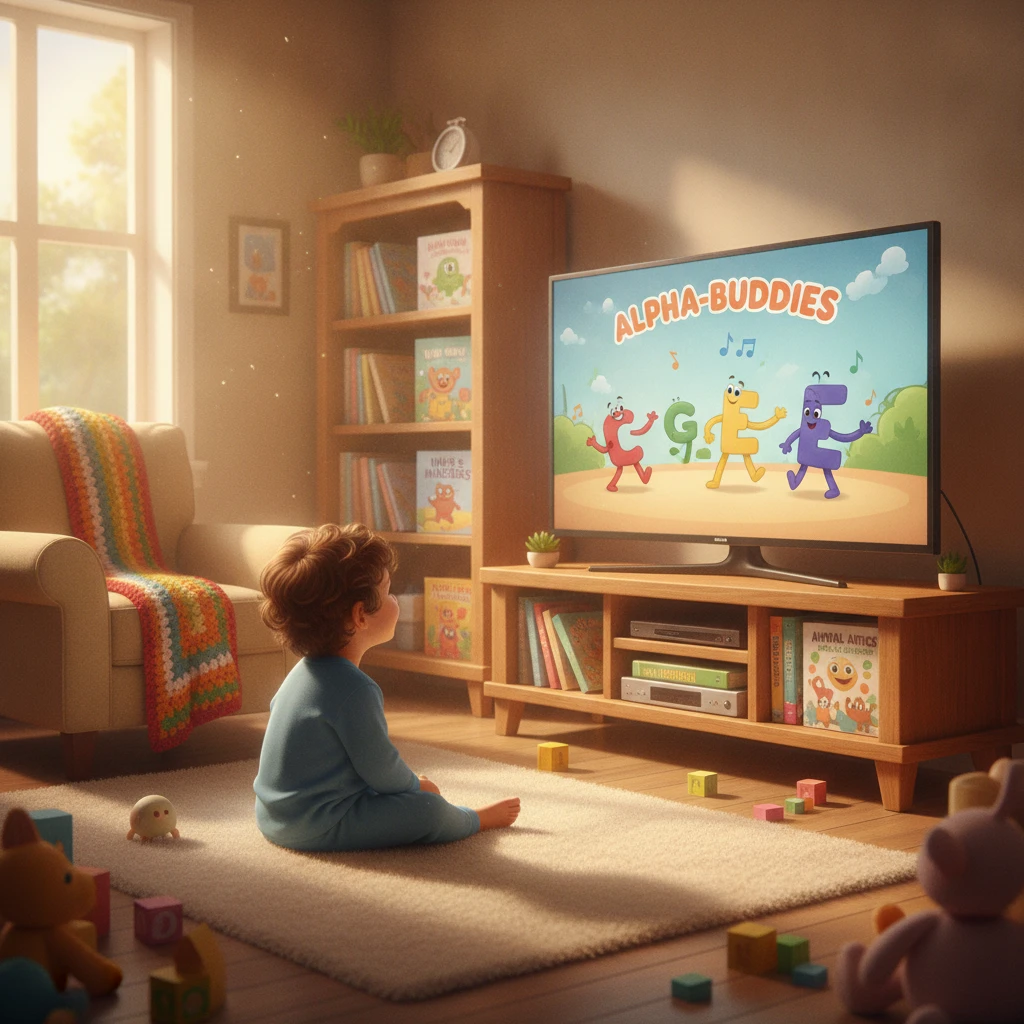
Let me tell you, when you are trying to cook dinner and need a solid twenty minutes of peace, an abc kids dvd is absolutely the best tool you can have in your parenting survival kit. I remember vividly during some of the unpredictable rolling internet outages in Kyiv, streaming services were completely useless. Our Wi-Fi was down, mobile data was crawling, but our trusty portable DVD player and a stack of colorful alphabet discs kept my little niece totally calm, entertained, and actually learning her letters. Physical media became an absolute lifesaver. When you pop a disc into a player, you control exactly what your child watches. There are no surprise unboxing videos, no weird algorithm shifts, and no ads trying to sell them sugary cereal. You get pure, uninterrupted educational content that follows a structured curriculum. The peace of mind is priceless. You know they are getting high-quality screen time that actually benefits their cognitive development. Plus, toddlers love the physical act of picking out a shiny case, looking at the colorful artwork, and placing it into the tray. It builds a sense of routine and intentionality that simply tapping a glass screen does not provide. If you want a reliable, offline, and secure way to teach phonics, physical media is still king.
The Real Benefits of Physical Learning Media
There is a massive difference between active viewing and passive staring. When you set up an interactive disc for your toddler, you are giving them a focused environment. The core benefit here is predictability. Children thrive on repetition, and having a specific set of episodes or songs that they can watch over and over helps solidify neural pathways for language acquisition. Streaming apps often auto-play to the next random series, but a physical disc naturally stops, creating a perfect boundary for screen time limits. Let’s look at how the different formats stack up.
| Feature | Physical DVD | Video Streaming | Free Web Videos |
|---|---|---|---|
| Content Control | 100% controlled by parents | Algorithmic suggestions | High risk of inappropriate ads |
| Offline Access | Always available | Requires downloads/Wi-Fi | Requires constant internet |
| Pacing | Educational, deliberate speed | Often hyper-stimulating | Chaotic and fast-paced |
The value proposition is huge. For example, a dedicated phonics disc might run you a few dollars, but it delivers hours of repeatable, ad-free education. Another example is road trips; bringing a binder of discs for the car system means zero buffering when you hit rural areas with no cell service. To get the most out of these tools, you need a strategy.
- Sing Along Together: Do not just leave the room every time. Stay for the first five minutes and sing the alphabet song with them to validate the activity.
- Pause and Ask Questions: Use the remote to pause on specific letters and ask your child to find an object in the room that starts with that letter.
- Create a Viewing Routine: Make the viewing session a specific part of the day, like right after naptime, to establish healthy boundaries.
The Origins of Educational Discs
Back in the late 1990s and early 2000s, parents started realizing the potential of the television as a structured teaching tool rather than just a babysitter. Production companies began hiring child development psychologists to design content that aligned with early childhood milestones. The very first generation of alphabet-focused discs relied heavily on simple, high-contrast puppets and basic classical music. It was revolutionary at the time because it slowed down the frenetic pace of standard Saturday morning cartoons, offering a gentle, digestible format for developing brains.
The Evolution of Toddler Tech
As technology advanced, so did the content. We moved from static images and puppets to rich, 3D animations and highly interactive menus. Creators started adding subtitle options for early readers, multiple language tracks for bilingual households, and bonus features like printable coloring pages accessible via a computer drive. The production quality skyrocketed, mirroring big-budget animated movies. This era cemented physical media as a premium educational product, carefully curated and tested for maximum engagement.
The Modern State of Physical Media
Fast forward to today, and we are seeing a fascinating trend. Now that we are navigating through 2026, digital fatigue is a very real issue for families. Parents are overwhelmed by subscription fees and the constant battle to police what algorithms serve their kids. Because of this, there has been a massive resurgence in collecting physical discs. Thrifting, swapping with neighbors, and buying box sets online are incredibly popular again. Parents want to own their content permanently. They want the security of an offline library that cannot be abruptly deleted from a streaming platform due to licensing disputes.
The Cognitive Science Behind Paced Learning
You might wonder why a slightly older, structured video format works so well for toddlers. It all comes down to cognitive load. Modern digital platforms are specifically engineered to keep user retention high by using fast cuts, loud noises, and bright flashing colors. This spikes dopamine but severely limits a child’s ability to process and retain actual information. Educational discs are intentionally paced differently. They leave silent gaps for the child to shout out answers. They hold shots longer so little eyes can fully process the shapes of the letters being displayed. The repetition built into these formats reinforces synaptic connections in the language centers of the brain.
Understanding Screen Tech for Little Eyes
Let’s talk tech for a second, but keep it simple. When you play a disc on a standard television set, you are usually viewing content at a traditional 24 to 30 frames per second. This frame rate is much gentler on the visual cortex compared to the 60fps hyper-smooth videos often found on modern tablets and phones. Furthermore, keeping the child seated a few feet away from a TV screen rather than holding a tablet inches from their face drastically reduces eye strain and blue light absorption.
- Fixed frame rates reduce visual overstimulation and prevent viewer fatigue.
- Physical distance from a television screen supports healthier eye development than near-focus tablet use.
- Predictable audio mixing prevents sudden, loud volume spikes common in user-generated online videos.
- Structured start-and-stop formats naturally regulate dopamine levels, reducing post-screen time tantrums.
Your 7-Day Alphabet Integration Plan
If you want to maximize the educational value of your new media, you need a structured plan. Just handing a toddler a remote won’t cut it. Here is a friendly, stress-free, week-long guide to making the most out of your viewing sessions.
Day 1: Introduction to the Alphabet
Keep things super simple on the first day. Just pop the disc in and let them watch the core feature from start to finish without any pressure. Sit next to them with a snack. Point to the screen when a catchy song plays. Your only goal today is to associate the media with positive, relaxed family time.
Day 2: Phonics and Sounds
Today, shift the focus from the visual letters to the sounds they make. When the video focuses on the letter ‘B’, pause it. Exaggerate the ‘Buh’ sound yourself and encourage your toddler to mimic your mouth movements. Make it a silly game. Laughter increases memory retention significantly.
Day 3: Singing Along
Music is a massive memory hack. Jump straight to the musical segments or the main alphabet song on the disc menu. Stand up and dance around the living room. Add physical gestures for certain letters, like making a big circle with your arms for the letter ‘O’. Movement plus music equals locked-in learning.
Day 4: Active Movement
Take the lessons off the screen. Watch a 10-minute segment, then turn the TV off. Grab some blocks or physical flashcards and scatter them on the floor. Ask your child to run and jump on the letter they just saw in the video. This burns off toddler energy while cementing the lesson.
Day 5: Vocabulary Building
Focus on the example words used in the video. If the letter ‘A’ is for Apple, pause and ask, “What else starts with A?” Have them look around the kitchen or their toy box. This bridges the gap between abstract symbols on a screen and the physical objects in their daily environment.
Day 6: Story Integration
Many high-quality educational videos include short narrative stories using the letters. After watching, grab a physical picture book and sit down together. Ask them to point out any of the letters they remember from the TV session on the pages of the book. It beautifully connects screen literacy with print literacy.
Day 7: Family Review Session
Make the final day of the week a fun review. Let the toddler be the teacher. Have them hold the remote (or a fake remote) and “teach” a stuffed animal or a younger sibling the letters they learned. Explaining a concept to someone else is the highest form of mastery.
Myths vs. Reality of Physical Kids Media
There is a lot of judgment out there about screen time and media formats. Let’s clear the air and look at the facts.
Myth: Physical discs are completely dead and outdated.
Reality: Sales of children’s physical media are actually rising in 2026 as parents seek offline, ad-free alternatives to chaotic streaming platforms.
Myth: All screen time rots a toddler’s brain.
Reality: Passive, high-stimulation screen time is detrimental, but structured, co-viewed educational content is proven to aid early phonetic awareness.
Myth: Streaming apps are always the superior choice for kids.
Reality: Streaming apps use algorithms designed to keep kids addicted, often serving inappropriate content if you look away for two minutes. Discs offer closed, perfectly safe viewing environments.
Myth: Kids will get bored watching the same disc repeatedly.
Reality: Toddlers actually crave intense repetition. Rewatching the same predictable sequence makes them feel confident and secure in their learning.
Frequently Asked Questions
FAQ 1: Are these discs still being manufactured?
Yes, many specialty educational publishers still produce physical sets precisely because parents and schools demand offline tools.
FAQ 2: At what age should I introduce an alphabet video?
Most child development experts suggest short, co-viewed sessions starting around 18 to 24 months, keeping sessions under 20 minutes.
FAQ 3: How do I clean scratched discs?
A tiny drop of mild dish soap and warm water, wiped gently from the center straight out to the edge with a microfiber cloth, usually does the trick.
FAQ 4: Do I need a special player?
Any standard player, modern gaming console with a disc drive, or an external USB drive for a laptop will work perfectly.
FAQ 5: Is it better than YouTube?
Absolutely. It guarantees zero ads, zero creepy algorithm recommendations, and a perfectly paced educational curriculum.
FAQ 6: Can I use this for a bilingual child?
Many premium releases include secondary language audio tracks, making them fantastic resources for bilingual households.
FAQ 7: How do I prevent my toddler from ruining the discs?
Keep the media in a high CD binder out of reach. Let them pick the case, but you handle the actual shiny disc.
FAQ 8: What if they only want to watch one specific song?
Let them! Repetition is exactly how their brains wire phonetic sounds. Use the chapter skip function to play it on a loop if it makes them happy.
Listen, parenting is exhausting enough without having to constantly monitor a streaming app’s autoplay feature. Building a small library of physical, reliable educational media gives you peace of mind and gives your child a safe, focused learning environment. Don’t wait until the next internet outage to wish you had a backup plan. Grab a high-quality set today, pop it in the player, and watch your little one’s face light up as they master their letters!