
Why the jane norman Aesthetic is Literally Everywhere Right Now
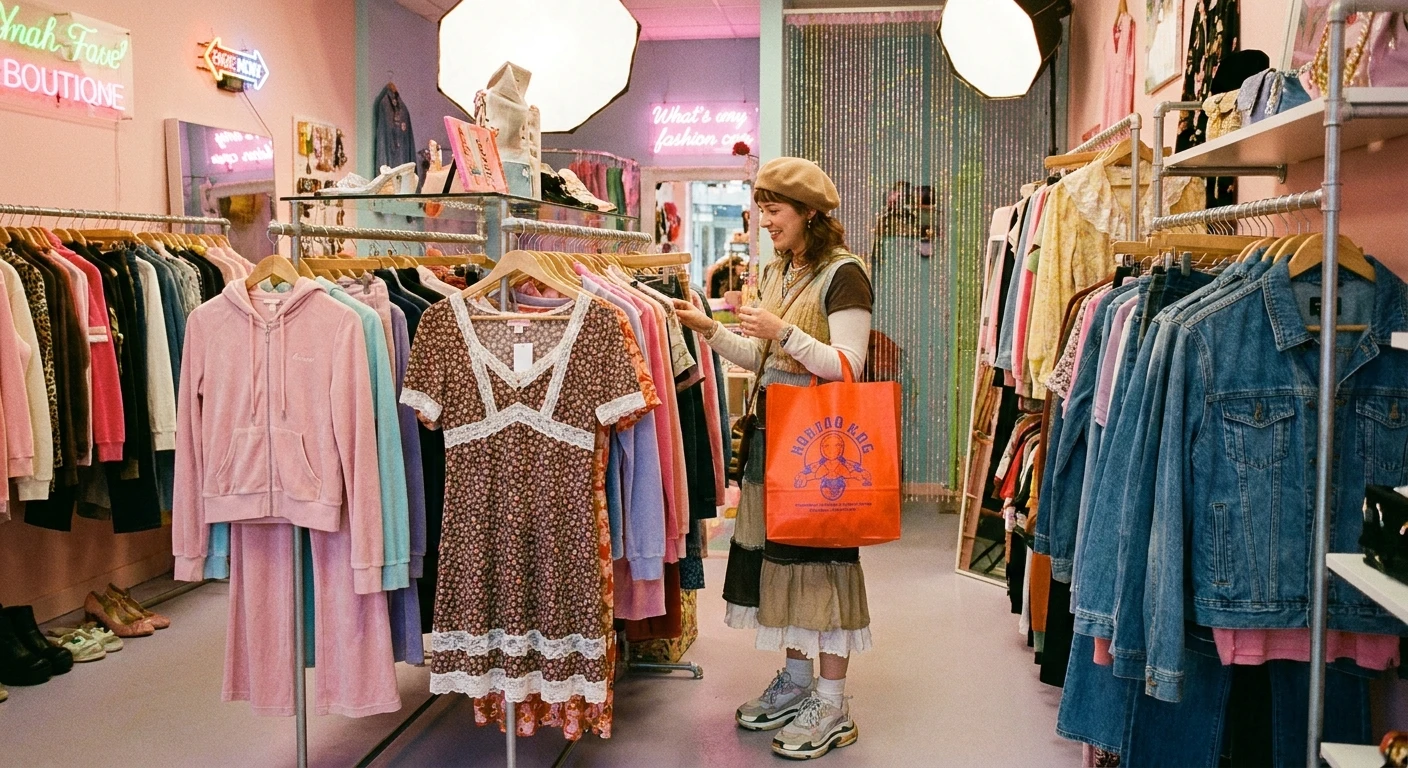
You honestly can’t talk about early 2000s nostalgia without bringing up the legendary jane norman and those iconic plastic carrier bags that basically served as the ultimate school PE kit status symbol. I mean, if you know, you know. Just the other week, I was browsing a massive vintage kilo sale near Podil in Kyiv, and you wouldn’t believe the absolute frenzy when someone unearthed a pristine, lace-trim top from this very label. People were literally gasping. It made me realize that this isn’t just a passing micro-trend; it’s a full-blown cultural reset. We are craving the unabashed, slightly chaotic energy of Y2K fashion, and this specific brand sits right at the epicenter of that craving. The thesis here is simple: understanding how to source, style, and appreciate these pieces will completely upgrade your wardrobe game without forcing you to buy into soulless modern fast fashion. I want to chat with you about why this label still holds so much weight, how you can hunt down the best vintage pieces, and why the fits are just so incredibly flattering compared to what we get off the rack today. Trust me, once you get your hands on a genuine archive piece, you will totally understand the hype and never want to let it go.
The Unmatched Value of Vintage High-Street Fashion
When you look closely at why everyone is obsessing over this aesthetic, it comes down to a perfect storm of nostalgia, flattering silhouettes, and a genuine scarcity of fun, expressive high-street clothing right now. The main benefit of hunting down these vintage items is that you get an incredibly distinct look that nobody else in the room is wearing. For example, their signature ruched bustier tops pull you in at all the right places, creating a shape that modern boxy tees simply ignore. Another great example is their low-rise, flare-leg trousers. While other brands struggled to make low-rise comfortable, this label perfected the stretch-to-structure ratio, giving you that iconic Britney era silhouette without sacrificing your ability to actually sit down.
To really map out why these pieces are superior, check out this breakdown of how they compare to what you usually find today:
| Garment Type | Original Y2K Benefit | Modern 2026 Application |
|---|---|---|
| Lace-Trim Cami | Hyper-feminine, layered over contrast tees. | Worn solo with oversized baggy denim for contrast. |
| Stretch Flare Trousers | Elongated the leg, paired with chunky platforms. | Styled with sleek modern sneakers for a casual vibe. |
| Ruched Cardigans | Provided texture and a tight, cropped fit. | Perfect transitional weather piece over minimalist dresses. |
If you want to start building your collection, you need to know exactly how to authenticate the good stuff. The vintage market is flooded with knock-offs, so keep your eyes peeled. Here is exactly what you need to look for when you are thrifting:
- Check the Tag Typography: The authentic tags from their golden era feature a very specific, slightly lowercase-heavy cursive font. If the tag looks too modern or rigidly blocky, it is probably from their later, less desirable eras.
- Inspect the Hardware: Look for chunky O-rings, thick plastic zippers, and distinctive rhinestone embellishments that feel securely fastened rather than glued on as an afterthought.
- Feel the Fabric Blend: True archive pieces from this label have a noticeable weight to them, largely due to the specific thick elastane blends they favored back in the day. It should stretch significantly but snap right back to its original shape.
- Hunt for the Signature Lace: The brand was obsessed with adding scalloped lace trims to the necklines of almost everything. It should feel soft, not like scratchy, cheap modern synthetic lace.
The Unexpected History of a High-Street Legend
The Humble Origins
It is wild to think about, but this label didn’t start in the 1990s. The brand was actually founded way back in 1952 in London. The original goal was simply to provide smart, affordable clothing for young working women who wanted to look fashionable without spending a fortune. For decades, it was a relatively standard, albeit successful, boutique chain. They focused on tailoring and classic silhouettes. But no one could have predicted the massive aesthetic shift they would undergo when the late 90s rolled around, completely pivoting their entire brand identity to capture the youth market.
The Evolution into Y2K Domination
By the time the late 1990s and early 2000s hit, the brand underwent a massive aesthetic overhaul. They ditched the safe, conservative office wear and went all-in on body-conscious, hyper-feminine, trend-driven party wear. This is when the magic happened. They tapped directly into the mall culture of the era. If you were a teenager in the UK during this time, carrying that brightly colored, branded plastic shopping bag was the ultimate social currency. The bags themselves became a secondary product, repurposed as gym bags, school bags, and sleepover totes. The clothing—defined by its tight fits, bold colors, and unapologetic sex appeal—became the uniform for a generation of girls who wanted to look like their favorite pop stars.
The Modern State and Resale Boom
Unfortunately, like many giants of the high street, the company struggled to adapt to the fast-fashion internet boom of the 2010s, eventually facing administration and disappearing from physical shopping centers. However, jumping forward to the year 2026, the brand is experiencing a renaissance that nobody saw coming. Thanks to Gen Z’s absolute obsession with authentic early 2000s aesthetics, the brand has found a second life on platforms like Depop and Vinted. What used to be a cheap mall find is now a highly coveted vintage asset, with specific rare pieces selling for triple their original retail price. The nostalgia economy has fully resurrected the label, proving that good, distinct design always comes back around.
The Science of Nostalgia and Textile Psychology
The Psychology of Dopamine Dressing
Why exactly does wearing these specific 20-year-old clothes make us feel so good? It comes down to a psychological concept called dopamine dressing, combined with the powerful effects of nostalgia. When we wear items that visually connect us to a simpler time—or a time we idolize through media—our brains genuinely release dopamine. The bright colors, the tactile fabrics, and the sheer fun of the designs act as a stark contrast to the minimalist, beige, ultra-curated aesthetics that dominated the late 2010s. By wearing something slightly chaotic and incredibly detailed, you are signaling to your brain that it is time to have fun, breaking the monotony of everyday modern dressing.
The Textile Engineering of the 2000s
Beyond the feelings, there is actual material science behind why these garments have survived long enough to be worn again. The textile engineering of the early 2000s was wildly different from today’s fast fashion. Brands back then relied heavily on specific synthetic blends that maximized durability and shape retention.
- Elastane Recovery Rates: The tops from this label used a higher denier of elastane mixed with cotton, meaning the stretch recovery was phenomenal. You could wash it a hundred times, and it would still cling to the body exactly as intended.
- Dye Saturation: The chemical dyeing processes used for their signature hot pinks and electric blues were designed for maximum colorfastness. This is why a top from 2003 still looks vibrantly pink today, whereas a modern cheap top fades after three washes.
- Structural Seaming: Instead of relying purely on the fabric’s stretch, these garments utilized complex paneling and structural seams (like princess seams on bustiers) to create shape mechanically, distributing tension evenly across the garment.
- Poly-Blend Durability: The specific polyester blends used for their trousers were heavily tightly woven, making them practically immune to pilling, which is a massive issue with modern equivalent fabrics.
Your 7-Day Wardrobe Integration Plan
Day 1: The Thrift Hunt
Your first step is to scour the internet. Dedicate an hour today to setting up saved searches on Vinted, Depop, and eBay. Use specific keywords like “vintage Y2K lace trim” alongside the brand name. The trick is to act fast, as the best pieces get snatched up by resellers within minutes of being posted.
Day 2: Authentic Identification
Once you find potential pieces, spend today analyzing the photos. Ask the seller for pictures of the inner care tags. Compare the font to authentic vintage examples online. Make sure the seams look intact and that there is no major stretching around the elasticated areas, which is a common flaw in older stretchy clothes.
Day 3: The Statement Top
Today is about styling your first acquisition: the classic statement top. Take that tight, ruched, or lace-trimmed cami and pair it with something completely unexpected. I love throwing it on with massive, oversized parachute pants. The contrast between the tight, feminine top and the huge, masculine bottoms creates a perfectly balanced 2026 silhouette.
Day 4: Balancing Proportions
Now, let’s tackle the trousers. If you managed to score the iconic low-rise flares, you need to balance the top half. Since the pants are low and tight through the thigh, pair them with a slightly cropped, boxy graphic tee or a chunky oversized sweater. This keeps the look modern and stops it from looking like a literal costume party outfit.
Day 5: Accessorizing the Era
You cannot rock this look without the right accessories. Today, dig out some chunky silver jewelry, a massive oversized belt with a ridiculous buckle, or a tiny shoulder bag. The accessories from this era were loud, so do not hold back. Layering necklaces is highly encouraged to complete the aesthetic.
Day 6: Mixing Eras
The secret to great style is mixing timelines. Today, take your vintage piece and wear it with a hyper-modern item, like a sleek oversized blazer or futuristic sunglasses. By anchoring the nostalgic piece with contemporary tailoring, you elevate the entire outfit, making it look incredibly intentional and high-fashion.
Day 7: Garment Preservation
Finally, you need to protect your investment. These clothes are old. Always hand wash your lace-trimmed tops in cold water with a gentle detergent. Never put them in the tumble dryer, as the intense heat will absolutely destroy the ancient elastane, causing the garment to lose its iconic shape forever. Dry them flat on a towel.
Myths and Reality About the Brand
Myth: This brand is only suitable for teenagers and young girls.
Reality: Absolutely not! While teenagers popularized it back in the day, the tailoring and structuring of these pieces work beautifully on adult bodies, especially when paired with mature, tailored modern pieces like blazers or wide-leg wool trousers.
Myth: The quality of the clothing was always cheap fast fashion.
Reality: Compared to what we call fast fashion today, the construction from this specific Y2K era is vastly superior. The thick fabrics, metal hardware, and robust stitching put most modern mall brands to shame.
Myth: You can’t wear these pieces to a professional setting.
Reality: You definitely can. A subtle, high-neck ruched top from their archive looks incredibly chic when layered under a sharp pantsuit for the office. It adds just a hint of texture without being inappropriate.
Myth: The plastic carrier bags were just throwaway packaging.
Reality: Those bags were a masterclass in guerrilla marketing. They were designed specifically to be durable and visually striking so that teenagers would reuse them daily, turning millions of kids into walking billboards.
Frequently Asked Questions & Conclusion
What exactly is jane norman?
It is a British high-street fashion brand that originally launched in 1952 but became a massive cultural phenomenon in the late 90s and early 00s for its tight, heavily styled, trend-driven party wear.
Where can I buy it now?
Since physical stores closed, your best bet is the secondhand market. Depop, Vinted, eBay, and specialized vintage kilo sales are the top spots to hunt down authentic pieces.
Are the vintage sizes accurate?
Not always. Y2K sizing generally runs much smaller than modern sizing. Always ask sellers for exact pit-to-pit and waist measurements rather than trusting the number on the tag.
Why are the carrier bags so famous?
They became a cult status symbol in UK schools. Carrying your PE kit in one of their brightly colored plastic bags was an immediate sign that you were cool and fashion-conscious.
Is it considered fast fashion?
By modern standards, no. While it was affordable high-street wear, the production cycles were slower and the fabric quality was generally much higher than today’s ultra-fast fashion giants.
Can men wear these vintage pieces?
Of course! Fashion has no gender. Many of the tight, graphic tops look incredible styled on men, fitting perfectly into the current trend of cropped, fitted menswear.
How do I wash these vintage garments?
Treat them like delicate antiques. Hand wash in cold water, avoid harsh chemicals, and never ever use a hot tumble dryer, which will melt the vintage elastic.
Are there any modern brands doing similar styles?
Yes, many modern brands are copying the Y2K look, but the fabric weights and authentic fits are rarely replicated perfectly. Vintage is always the better option for authenticity.
So, there you have it! The obsession with the legendary jane norman label is so much more than just a fleeting internet trend. It is a genuine appreciation for an era of fashion that prioritized fun, flattering silhouettes, and bold choices. Whether you are hunting for that perfect lace cami or just want to inject a bit of chaotic 2000s energy into your daily rotation, diving into this vintage market is totally worth it. The quality holds up, the styling options are endless, and the thrill of the thrift hunt is unmatched. Don’t wait until the prices skyrocket even further—get out there, hit the online vintage stores, and start claiming your own piece of high-street history today. Share your best vintage finds with your friends, and let’s keep this brilliant fashion revival alive!