
Princess Polly Sydney: Inside the Premier Retail Destination
The highly anticipated arrival of Princess Polly Sydney has permanently altered the retail landscape in the city’s eastern suburbs, bringing one of the internet’s most viral fashion brands into the physical realm. For years, shoppers have refreshed their feeds to catch the latest digital drops, but the move toward brick-and-mortar represents a monumental shift for the fashion empire. By establishing a physical footprint, the brand bridges the gap between digital convenience and tactile retail satisfaction.
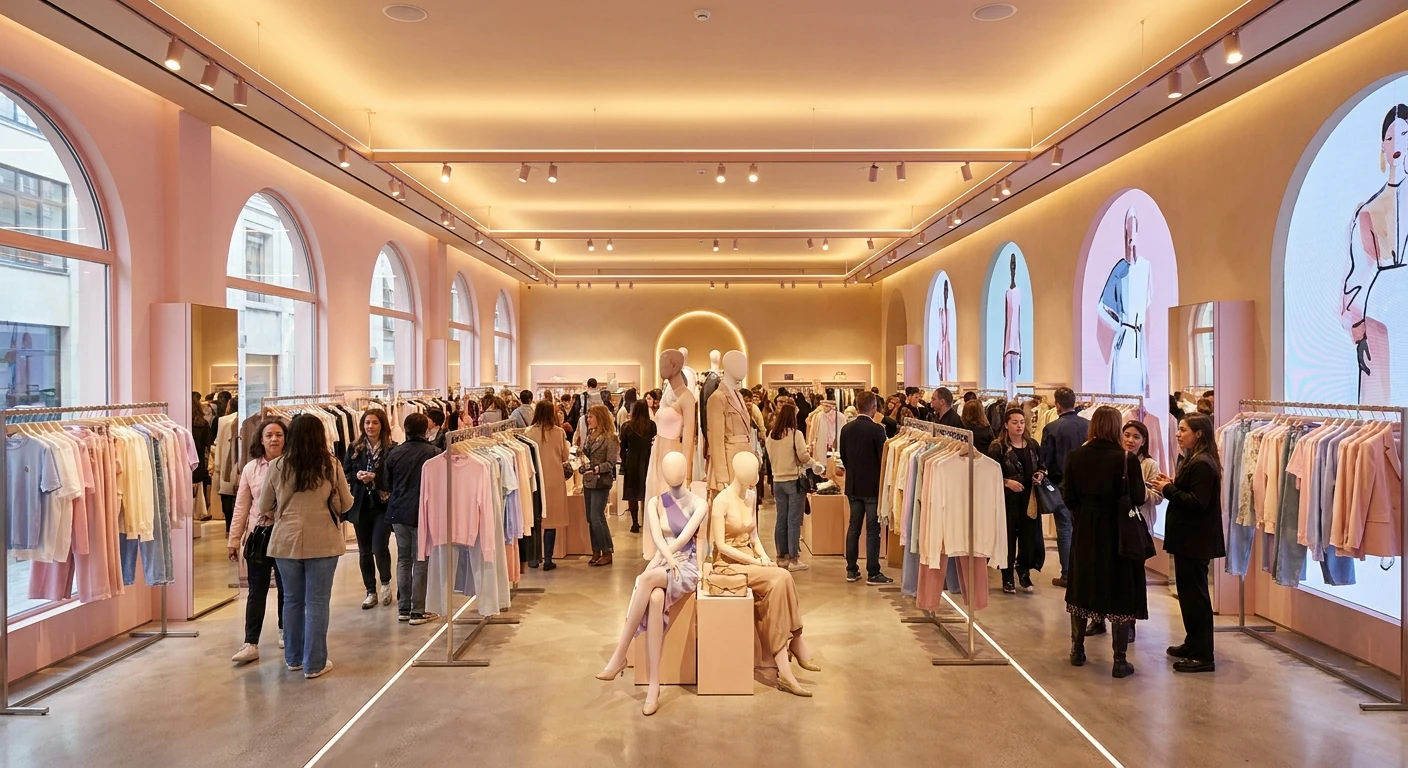
Moving beyond a purely e-commerce model, the strategic decision involved opening an actual store in Australia at the prestigious Westfield Bondi Junction. This location does not just serve as a point of sale; it functions as an interactive hub for a dedicated community of fashion enthusiasts. Shoppers now have the immediate ability to feel fabrics, assess sizing accurately, and walk out with trending pieces without waiting for shipping confirmations. It represents the perfect synthesis of modern fast-paced consumerism and traditional shopping gratification.
Read also: Ultimate Guide to Mosman; Understanding a Local Gun Buy Back Today.
Whether you are hunting for weekend party looks, everyday essentials, or viral influencer styles, the physical store delivers on every front. The dynamic environment is carefully curated to reflect the fast-paced, trend-driven aesthetic that the brand is globally recognized for. Let’s break down exactly what makes this location a cornerstone of modern Australian retail and how you can maximize your visit to this flagship destination.
The In-Store Advantage: Why Physical Retail Still Wins
While digital shopping offers unmatched convenience, the physical store at Bondi Junction provides tangible benefits that an app simply cannot replicate. The value proposition of an in-store visit centers heavily on immediacy, accuracy, and brand immersion. For a label heavily reliant on visual aesthetics and rapid trend cycles, allowing customers to interact with the merchandise in real-time drastically reduces the friction of online returns and sizing guesswork.
The location is intentionally designed as a premium destination for trending fashion. Shoppers can coordinate entire outfits on the spot, mixing and matching tops, bottoms, outerwear, and accessories. You no longer have to wonder if a specific shade of green matches your favorite denim, or if a dress will flatter your specific body type. You get to see the reality in the mirror instantly.
Consider these core benefits of shopping the physical location:
- Immediate Gratification: Skip the shipping delays and potential courier mishaps. You can secure an outfit for an event happening that very same night.
- Precision Fit and Sizing: Eliminate the anxiety of varied sizing across different fabrics. Trying garments on ensures you walk away with the perfect silhouette.
- Seamless Omnichannel Integration: The physical presence allows for streamlined customer service interactions, bridging any gaps between digital orders and in-store inquiries.
To fully understand the shift, we can compare the different modes of consumer engagement in the modern retail ecosystem:
| Feature | Digital Experience | In-Store Experience |
|---|---|---|
| Product Interaction | Visual assessment via photos and video | Tactile assessment of fabric, weight, and stretch |
| Fulfillment Speed | Requires standard or express shipping | Instant acquisition upon checkout |
| Customer Support | Chatbots and email correspondence | Direct, face-to-face styling advice |
The Digital Origins
To appreciate the current brick-and-mortar reality, one must look at the foundation. The brand originated as a pure-play e-commerce retailer, rapidly gaining traction by utilizing aggressive digital marketing, influencer partnerships, and a deep understanding of social media algorithms. They didn’t just sell clothes; they sold a highly curated lifestyle. This digital-first mindset allowed them to stay incredibly agile, reacting to micro-trends faster than legacy fashion houses. They quickly became the go-to platform for young demographics who practically lived on their smartphones, scrolling for the next big aesthetic shift.
Evolution of the Fast-Fashion Empire
As the digital landscape grew more crowded, the brand successfully scaled its operations to cater to trendsetters worldwide. They optimized supply chains, expanded inventory categories from basic dresses to complex outerwear and accessories, and mastered the art of the ‘haul’ video culture on platforms like YouTube and TikTok. This evolution from a local online boutique to a global juggernaut proved that their trend forecasting and inventory management systems were world-class. However, as digital acquisition costs rose and the market saturated, the need for diversified revenue streams and physical brand touchpoints became glaringly obvious.
The Modern State of Omnichannel Retail
Today, the brand operates in an omnichannel reality. The opening in Westfield Bondi Junction is a testament to the fact that top-tier digital brands eventually seek physical permanence. The modern state of the business blends the vast data collection of an online store with the localized, sensory experience of a boutique. This physical space acts as a three-dimensional billboard, a customer service center, and a rapid fulfillment node all at once, cementing their status in the competitive Australian retail sector.
Technical Deep Dive: Powering the Modern Store
Inventory Synchronization Systems
Behind the bright lights and curated racks of the Bondi store lies a highly sophisticated technological infrastructure. Operating a high-volume physical store for a brand that drops hundreds of new styles weekly requires advanced inventory synchronization. Point of Sale (POS) systems must communicate in real-time with centralized digital warehouses. If a viral dress sells out in-store, the digital ecosystem must immediately reflect this localized demand, often triggering algorithmic reordering protocols. This seamless data transfer prevents stockouts and ensures that the physical location always carries the highest-converting merchandise.
Spatial Design and Foot Traffic Analytics
The architecture and layout of the store are not accidental. They are engineered using advanced foot traffic analytics and spatial design theory. Heat mapping technology and conversion rate tracking—metrics traditionally reserved for websites—are applied to the physical floor plan. The store is designed to funnel shoppers seamlessly from high-margin trend displays at the entrance through to core basics and finally toward impulse-buy accessories near the checkout.
- RFID Technology: Radio Frequency Identification tags allow staff to perform rapid stocktakes, ensuring inventory accuracy without disrupting the shopping experience.
- Algorithmic Merchandising: In-store displays are frequently rotated based on localized purchasing data, prioritizing styles that trend specifically in the Sydney demographic.
- Omnichannel Customer Profiles: The POS integrates with online accounts, allowing floor staff to view past digital purchases to recommend complementary items physically available in the store.
- Optimized Fitting Room Flow: Digital queue systems and strategic mirror placements reduce bottlenecking during peak weekend trading hours.
The Ultimate 7-Step Bondi Store Strategy
Navigating a highly popular flagship store requires a solid plan. To ensure you get the most out of your visit to Westfield Bondi Junction, follow this comprehensive step-by-step approach.
Step 1: Pre-Visit Digital Scouting
Before stepping foot in the shopping center, open the app or website. Browse the latest arrivals and take screenshots or note the names of the garments you want to try on. Because the brand rotates stock rapidly, knowing exactly what you are looking for will save you time and keep you focused amidst the sensory overload of the physical space.
Step 2: Optimal Arrival Timing
Timing is everything. To avoid the massive crowds that flock to the store on weekends, aim to visit on a Tuesday or Wednesday morning right when the center opens. The racks will be freshly restocked, the fitting rooms will be empty, and the floor staff will have more time to assist you with sizing and styling recommendations.
Step 3: Navigating the Core Collections
Upon entry, prioritize the high-demand sections. Start with the trending dresses and seasonal outerwear, as these items are typically front-loaded near the entrance and sell out the fastest. Once you have secured your priority pieces, you can casually browse the basic tops, bottoms, and everyday wear located further back in the store.
Step 4: The Fitting Room Strategy
Grab multiple sizes of the same item if you are unsure of the fit. The sizing can sometimes vary between different fabrics (like rigid denim versus stretch knit). Taking two sizes into the fitting room prevents you from having to rejoin the queue or wander back onto the busy floor half-dressed to find a replacement.
Step 5: Leveraging In-Store Exclusives
Always ask the staff if there are any current in-store promotions or physical exclusives that are not advertised online. Sometimes physical stores hold localized sales or early drops before they hit the main website. Checking for these Bondi store opening details and ongoing localized perks can yield unique wardrobe additions.
Step 6: Streamlining the Checkout Process
Have your payment methods and any loyalty app barcodes ready before you reach the register. If you are purchasing a large volume of items, consider asking the cashier about the return policy specific to in-store purchases, as it may differ slightly from the online portal’s standard procedures.
Step 7: Post-Purchase Engagement
After your successful haul, keep your physical receipt secure. Take photos of your new outfits and tag the brand on social media—they frequently engage with local shoppers and feature user-generated content, completing the cycle from digital discovery to physical purchase and back to digital showcase.
Myths & Reality: Clearing Up Store Rumors
With massive brand expansions come widespread misconceptions. Let’s clear up some of the most common myths surrounding the physical location.
Myth: The store is just a temporary pop-up activation.
Reality: The Westfield Bondi Junction location is a permanent, long-term lease. It is a flagship store designed to anchor their physical retail strategy in Australia.
Myth: In-store prices are marked up to cover mall rent.
Reality: Pricing maintains strict parity with the online store. A dress online costs the exact same amount as it does on the physical rack, ensuring a fair omnichannel experience.
Myth: The physical store only carries small sizes.
Reality: The physical location carries a comprehensive, inclusive size run that mirrors the diversity of their online inventory, catering to a wide variety of body types.
Myth: You cannot return items bought online to the physical store.
Reality: Thanks to their integrated inventory and POS systems, cross-channel returns are generally streamlined, providing maximum flexibility for the consumer.
Frequently Asked Questions
Where exactly is the store located?
The store is situated inside Westfield Bondi Junction, a premier shopping destination in Sydney’s eastern suburbs.
What are the standard opening hours?
Operating hours align with standard Westfield trading hours, generally opening at 9:30 AM most days, with extended late-night shopping available on Thursdays.
When was the grand opening announced?
The highly anticipated launch was teased heavily with updates across their socials, officially welcoming crowds on a highly publicized Saturday the 29th.
Do they offer student discounts in-store?
Yes, standard brand-wide student discount programs via verified platforms typically apply in-store, just as they do online. Always present your valid student ID at the register.
Can I use my online gift cards at the physical location?
Digital gift cards and store credits are fully integrated and can be scanned directly from your smartphone at the physical checkout counters.
Are online-exclusive items available here?
While the physical store carries an extensive range of trending items, certain hyper-niche or legacy online exclusives may remain digital-only due to physical space limitations.
Is there parking available at the shopping center?
Westfield Bondi Junction offers extensive multi-level parking, including free periods for short visits, making it incredibly accessible for drivers.
Are there fitting rooms inside?
Absolutely. The store features a large, well-lit fitting room area designed specifically for shoppers to try on multiple styles and coordinate complete looks.
The establishment of Princess Polly Sydney represents a massive leap forward in retail strategy, delivering the digital styles you love directly into your hands. Whether you are a local resident or visiting the eastern suburbs, checking out the Westfield Bondi Junction store is a must for any fashion lover. Plan your visit, try on those viral pieces in person, and elevate your wardrobe today!