

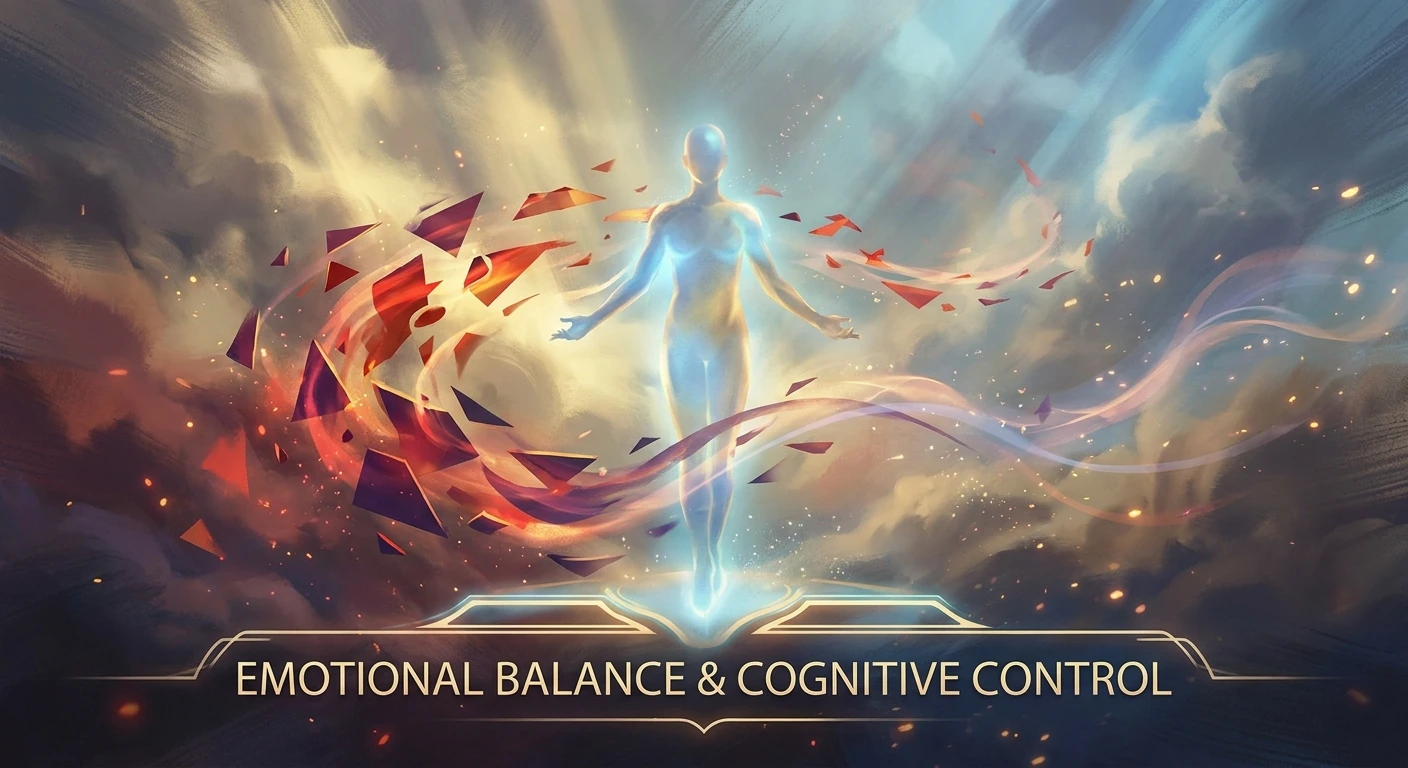
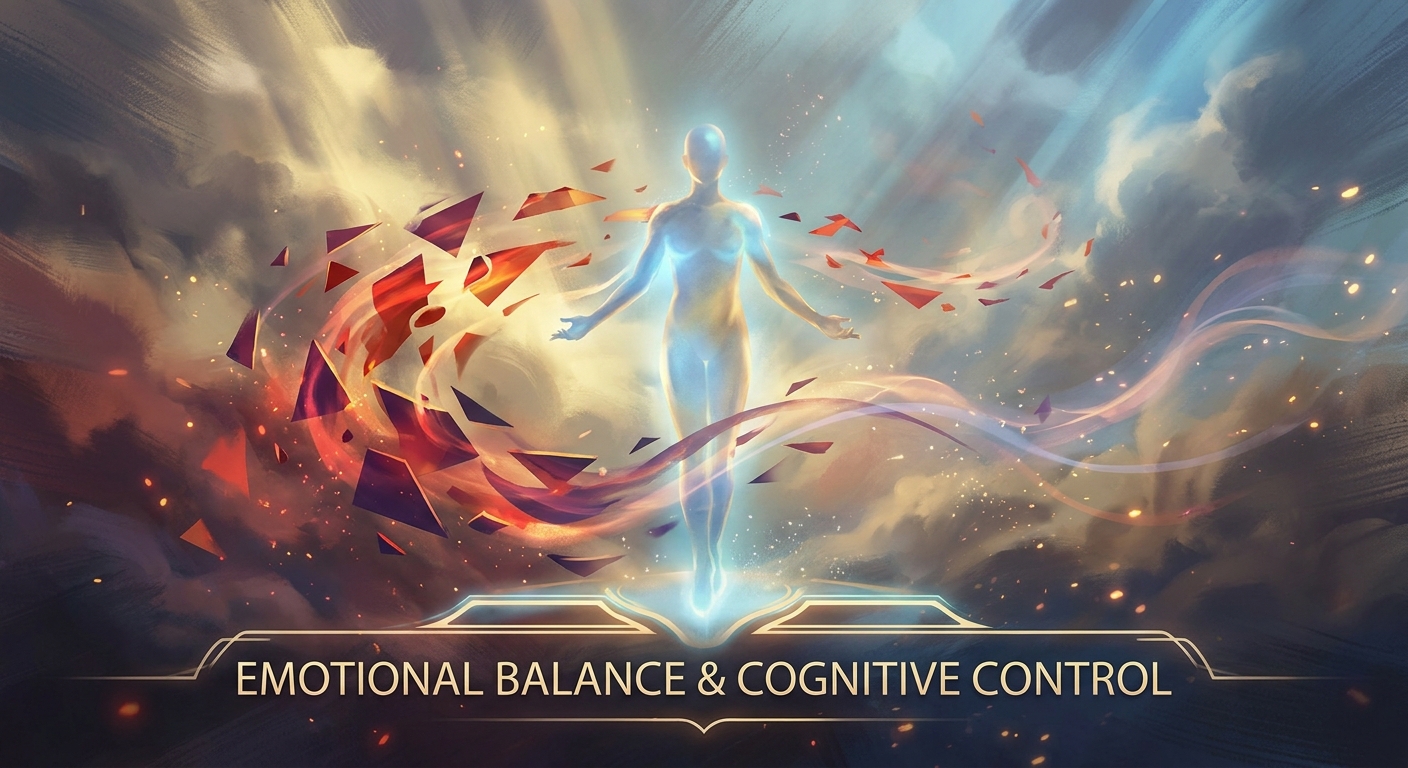
Why the Rage ABC Protocol Changed My Life
Listen, if you’ve ever felt that sudden spike of uncontrollable frustration, you need to hear about rage abc right now. I vividly remember walking down Khreshchatyk Street in Kyiv back in 2026. The weather was crisp, and I was holding a piping hot Americano. Out of nowhere, someone sprinting for a bus slammed their shoulder into mine. My coffee completely exploded all over my brand-new, light-colored jacket. The person didn’t even stop for a quick apology; they just kept running. My pulse skyrocketed instantly. My jaw clenched so tight my teeth ached. I was genuinely ready to absolutely lose my mind right there on the busy pavement, yelling at a stranger in front of hundreds of people.
But instead of snapping and making a massive scene, I utilized a fascinating psychological trick a therapist friend told me about over evening drinks at a cozy Podil cafe. The premise of this trick is shockingly simple: Awareness, Balance, and Control. This highly effective framework breaks down the exact biological mechanics of sudden anger and gives you a tangible off-ramp before you do or say something you will completely regret later. Think of it as an emergency mental handbrake. Most people just let their furious feelings drive the car right off a steep cliff, but having a highly structured protocol means you stay firmly in the driver’s seat. You do not need to meditate for an hour on a quiet mountain to get a solid grip on your temper. You just need a practical, step-by-step mechanism that rapidly short-circuits the brain’s primal threat response and brings you back to a normal baseline.
How the Framework Actually Operates in Real Time
When you look at the raw mechanics of extreme anger, it is basically a massive chemical dump occurring in your brain. The real, tangible value of applying the rage abc method is that it creates an immediate cognitive buffer. You are literally buying your logical prefrontal cortex enough time to catch up with your panicked, aggressive amygdala. Let me give you a very clear example. My buddy Oleksandr used this exact system when his aggressive boss unfairly blamed him for a missed departmental deadline. Instead of screaming back and risking his entire career, he paused, recognized the biological trigger, balanced his breath, and calmly presented the email data proving his total innocence. The boss actually apologized. Another great example is a chronically tired mom dealing with a toddler’s epic, ear-piercing meltdown in the middle of a crowded supermarket. She uses the protocol to forcefully lower her own heart rate before addressing the screaming kid, avoiding a mutual shouting match.
Let’s completely break down the core phases so you can utilize them today:
- Awareness phase: You loudly acknowledge internally that you are triggered. You name the emotion objectively, without judging yourself for feeling it. You simply say, ‘I am feeling intense anger right now.’
- Breathing and Balance phase: You forcefully shift your physiological state. This means taking deliberate, deep belly breaths to actively engage the parasympathetic nervous system, signaling to your body that you are safe.
- Control phase: You choose your response deliberately rather than reacting blindly to the stressful stimulus. You decide the best tactical move for the specific situation.
Here is a quick breakdown of how untreated, chaotic anger compares to the structured approach across several different biological and social metrics:
| Metric | Untreated Anger Response | With The Structured Protocol |
|---|---|---|
| Heart Rate Recovery Time | Takes 20 to 45+ minutes | Normalizes rapidly in 3-5 minutes |
| Regret Probability | Extremely High and frequent | Virtually Zero |
| Long-Term Relationship Impact | Highly destructive and deeply toxic | Promotes constructive communication |
By systematically adopting this method, you actively protect your romantic relationships, your professional career, and your long-term physical health from the deeply toxic fallout of chronic daily stress.
The Fascinating Background of Emotional Frameworks
The Deep Origins of Anger Management
Long before modern clinical psychology had flashy acronyms and expensive textbooks, ancient stoic philosophers were basically mapping out the very first iterations of emotional regulation. Brilliant guys like Seneca wrote entire complex essays on the nature of anger, famously calling it a ‘brief insanity.’ They fundamentally understood that the tiny gap between a stressful trigger and a human reaction was the only place where true freedom actually existed. Fast forward to the mid-20th century, and cognitive behavioral therapy started taking these ancient philosophical ideas and turning them into practical clinical practices. Early behavioral therapists needed a remarkably quick way to help returning combat veterans and severe trauma survivors deal with explosive, unprovoked tempers in domestic settings.
Evolution Through Cognitive Science
As the decades rolled on, brilliant neuroscientists began putting highly angry people inside loud fMRI machines to see what was actually lighting up inside their heads. They quickly realized that complex, multi-step psychological interventions were completely useless in the heat of the moment. When your amygdala is violently screaming about a perceived threat, you literally cannot remember a ten-step calming sequence or recite a long poem. The scientific community realized they needed something brutally simple and incredibly fast. That is exactly how the three-step architecture was born. By focusing strictly on three memorable pillars, panicked patients could actually recall the necessary steps while their blood was actively boiling.
The Modern State of Emotional Control
Right now, as we push further into an incredibly fast-paced era, the landscape of mental health has fully embraced these streamlined micro-habits. Elite high-performance coaches teach this to demanding corporate executives, specialized sports psychologists drill it into Olympic-level athletes, and progressive elementary schools are finally teaching it to little kids to stop playground fights. It has massively shifted from being a niche clinical intervention for highly ‘problematic’ individuals to an absolute essential life skill for absolutely everyone. We all constantly carry tiny computers in our pockets that bombard us with enraging news and annoying notifications 24/7, making this specific emotional toolkit completely non-negotiable for modern psychological survival.
What Happens Inside Your Skull During a Freak-out
The Amygdala Hijack Explained Simply
Let’s get mildly technical for a brief second, but keep it incredibly easy to completely digest. When someone aggressively cuts you off in heavy traffic, your brain’s primary threat center—the amygdala—sounds a massive, deafening internal alarm. It instantly dumps heavy amounts of adrenaline and cortisol directly into your rushing bloodstream. This is an ancient survival mechanism meant to help you fight a hungry sabertooth tiger, not deal with a rude driver in a Honda Civic. The major problem is, this chemical flood effectively shuts down your prefrontal cortex, which is the logical, highly rational part of your brain located directly behind your forehead. Psychologists specifically call this an ‘amygdala hijack.’ You are temporarily operating on pure, unadulterated lizard-brain instincts. The main goal of our targeted protocol is to manually reboot that logical processor before the lizard brain furiously sends a devastating text message to your boss.
Physiological Reset Mechanisms
You absolutely cannot just think your way out of a massive adrenaline dump. You have to actively use your physical body to signal to your panicked brain that the deadly ‘tiger’ isn’t actually there in the room with you. When you intentionally slow your breathing down to a crawl, you manually stimulate the vagus nerve. This massive, wandering nerve runs all the way from your brain stem straight down to your gut, and heavily stimulating it literally pumps the biological brakes on your racing heart rate.
Check out these hard scientific realities regarding human anger:
- Adrenaline naturally dissipates completely from the human bloodstream in roughly 90 seconds if you do not actively feed the angry thought pattern.
- Chronic, completely unmanaged anger dramatically increases your risk of developing severe coronary heart disease by almost twenty percent over a decade.
- Labeling an intense emotion out loud, which scientists call ‘affect labeling’, measurably decreases the erratic electrical activity inside your amygdala.
- Deep, slow diaphragmatic breathing massively lowers toxic cortisol levels almost immediately upon execution.
Your Ultimate 7-Day Integration Plan
You cannot just read a few paragraphs about this stuff and expect to magically stay perfectly chill the next time you get extremely mad. You have to heavily train the mental muscle. Here is a totally doable, highly effective week-long roadmap to permanently hardwire the rage abc method deep into your daily routine.
Day 1: Identify Your Core Daily Triggers
Grab your smartphone’s notes app right now and honestly jot down the top three things that consistently make you want to punch a brick wall. Is it horrible morning traffic? Condescending coworkers who talk down to you? Physical clutter in your living room? Deeply knowing your enemy is the very first critical step to defeating it.
Day 2: Practice Consistent Affect Labeling
Throughout the entire day, quietly name your baseline emotions as they naturally fluctuate. Whisper things like, ‘I am feeling slightly annoyed,’ or ‘I am feeling incredibly rushed right now.’ This repeatedly trains your brain to objectively observe passing emotions rather than just helplessly drowning inside of them.
Day 3: Enforce The 90-Second Delay Rule
Today, firmly promise yourself that you will not violently reply to any annoying text message, stressful email, or rude internet comment for exactly 90 seconds. Physically watch the clock tick down. Notice how the fiery urge to aggressively clap back slowly fades into nothing as the seconds peacefully tick by.
Day 4: Master the Powerful Physiological Sigh
Practice taking two quick inhales directly through your nose, followed immediately by one long, highly extended exhale straight through your mouth. Do this five times in a row when you are perfectly calm on the couch, so your body completely knows how the relaxation feels before an emergency hits.
Day 5: Visualize the Absolute Worst-Case Scenario
Sit totally quietly for five minutes and vividly imagine your absolute biggest trigger happening right in front of you. As your chest naturally gets tight in the simulation, execute the deep breathing technique. It is exactly like running a mental fire drill for your brain’s alarm system.
Day 6: Deploy in a Totally Low-Stakes Situation
Actively hunt for a minor annoyance today. Maybe a painfully slow Wi-Fi connection or a slightly messed-up, overly sweet coffee order. Consciously walk through the exact steps: Acknowledge the annoyance verbally, breathe deeply to balance your heart, and choose a highly polite response.
Day 7: The Honest Post-Event Audit
Sit back and heavily reflect on the entire week. When did you completely slip up and yell? When did you absolutely succeed and stay calm? Do not ever beat yourself up over small failures. Every single time you catch yourself getting mad and try to stop, you are literally rewiring your brain’s neural pathways for a better future.
Common Misconceptions Blocking Your Progress
People get fed so much absolute garbage advice regarding handling their temper. Let’s clear the air completely right now.
Myth: Venting your anger by screaming into a soft pillow or violently hitting a heavy punching bag helps safely release the pressure.
Reality: Multiple psychological studies show that aggressive, physical venting actually heavily reinforces the neural pathways for severe anger. It actively trains your brain to deeply associate basic frustration with physical violence.
Myth: Holding back your hot temper means you are just dangerously repressing your true, authentic feelings and being totally fake.
Reality: You aren’t repressing the emotion at all; you are actively processing it safely. There is a massive, fundamental difference between totally suppressing a natural feeling and choosing a highly constructive way to express it to others.
Myth: Some people are just naturally, permanently hot-headed, and they absolutely cannot ever change their underlying genetics.
Reality: The proven science of neuroplasticity clearly shows that absolutely anyone can permanently change their baseline emotional reactions at any age. Your brain is highly moldable if you consistently apply the right cognitive tools.
Frequently Asked Questions
Does this specific method work for extreme, explosive rage?
Yes, it absolutely helps, but if you have a severe, heavily documented clinical anger disorder, you should actively combine this framework with ongoing professional psychological therapy for the best results.
How long does the technique take to fully master?
Most dedicated people see a highly noticeable, positive difference in their daily reactions within just two weeks of strict, daily practice.
Can I easily teach this framework to my small kids?
Absolutely. Modifying the academic language for small children is a remarkably fantastic way to build their early emotional intelligence and stop temper tantrums.
What if I totally forget the steps in the heat of the moment?
That happens to absolutely everyone at first. Just doing the honest post-event audit later that evening will massively help you remember the steps next time.
Does it permanently stop you from ever feeling angry again?
No, not at all. Anger is a perfectly healthy, totally normal human emotion. The entire goal is controlling the outward reaction, not killing the internal feeling entirely.
Is this just basic meditation repackaged for social media?
It definitely borrows heavily from ancient mindfulness practices, but it is vastly more tactical, extremely fast, and highly action-oriented for immediate daily crises.
What if the other person is objectively, factually wrong?
You can still absolutely hold them completely accountable for their mistakes, but doing it with a highly calm, perfectly leveled head always gets much better, faster results.
Final Thoughts
Taking total charge of your daily emotional state isn’t just about being polite at dinner parties; it is fundamentally about reclaiming your raw personal power. When you let random external triggers dictate your internal weather, you are literally giving away your absolute freedom to strangers. Start applying these core principles today, practice the daily 7-day steps diligently, and watch exactly how dramatically your daily interactions improve across the board. If you found this breakdown highly helpful, share it immediately with a close friend who could use a little extra daily zen, and drop a quick comment below about your absolute biggest emotional trigger!