
Understanding Saggy Balls: Why It Happens and What You Can Do
The phenomenon of saggy balls is a universal biological reality for men, yet it remains one of the least openly discussed aspects of male anatomy and health. If you have ever wondered why the scrotum changes its shape, size, and suspension level depending on the weather, your age, or your activity level, you are certainly not alone. The human body is engineered with incredible precision, and the positioning of the testicles is primarily a brilliant evolutionary adaptation for temperature regulation.
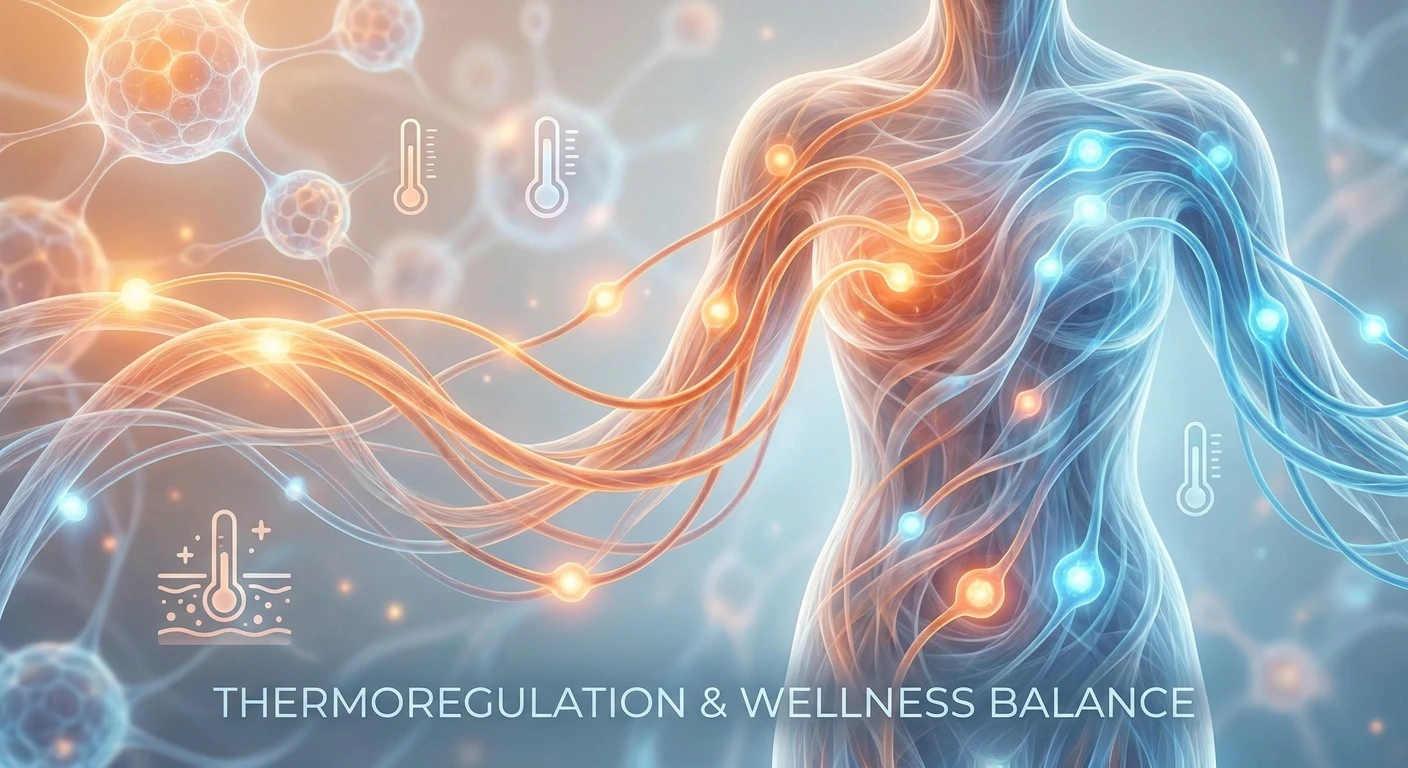
For optimal spermatogenesis—the creation of sperm—the testes must remain a few degrees cooler than the core body temperature. When you are hot, the body relaxes the surrounding muscles, allowing the pouch to hang further away from your body heat. Conversely, exposure to cold causes instant retraction to preserve warmth. However, over time, men often notice a permanent increase in laxity. This shift can cause physical discomfort during exercise or lead to self-consciousness. By examining the natural mechanisms of skin elasticity, the relentless pull of gravity, and the natural aging process, you can easily grasp why these physical changes occur. You can also take proactive steps to ensure your daily comfort, monitor your reproductive health, and select the right supportive garments to mitigate the effects of long-term tissue stretching.
Read also: Jai Arriw: The Ultimate Framework for Athletic Conditioning; Guide: How often should you wash your sheets.
Core Causes and Daily Management
To fully grasp why the scrotum loses elasticity over time, we must look at a combination of anatomical factors, environmental triggers, and the inevitable passage of time. Gravity is a constant force acting on the body, and the delicate skin of the scrotum bears the brunt of this force every day. Unlike other parts of the body that are heavily supported by thick fascial layers and large muscle groups, the scrotal sac relies heavily on a specialized layer of smooth muscle and inherently thin skin. As you age, your body produces less collagen and elastin. These are the crucial proteins responsible for keeping skin tight, firm, and capable of snapping back into place after stretching. When collagen depletes, the skin permanently stretches, resulting in a lower hang.
You can clearly observe the interplay of these various factors when evaluating daily habits. For instance, men who frequently use saunas, hot tubs, or take extremely hot showers expose their tissues to prolonged heat, which constantly triggers the relaxation response of the local musculature. While this is a normal physiological function, doing it constantly without proper support afterward can contribute to a feeling of heaviness.
| Influencing Factor | Biological Mechanism | Actionable Management Strategy |
|---|---|---|
| Natural Aging | Gradual loss of collagen and elastin reduces the skin’s natural recoil ability. | Maintain skin hydration and wear supportive underwear during daily activities. |
| Environmental Heat | Smooth muscles relax to move the testes away from core body heat, preventing overheating. | Limit prolonged exposure to saunas and take cool showers to encourage natural muscle contraction. |
| Gravity & Impact | High-impact sports pull downward on the tissues, accelerating the stretching of the thin skin. | Use athletic supporters, jockstraps, or compression shorts during intense physical exercise. |
To proactively manage extreme drooping and maintain optimal comfort, consider these practical adjustments to your daily routine:
- Upgrade Your Underwear: Swap out loose boxer shorts for boxer briefs or trunks that feature a dedicated supportive pouch. This cradles the anatomy and counteracts the daily pull of gravity.
- Practice Proper Skin Care: Keep the area clean and moisturized. Specialized lotions designed for male hygiene can help maintain the skin’s moisture barrier, preventing extreme dryness that exacerbates skin laxity.
- Monitor for Medical Anomalies: Perform regular self-examinations to ensure the heaviness is not caused by a varicocele (enlarged veins) or unexpected lumps, which require a medical evaluation.
Evolutionary Origins
The Mammalian Evolution Shift
The placement of reproductive organs outside the primary body cavity is a fascinating quirk of mammalian evolution. Millions of years ago, as mammals evolved to become endothermic (warm-blooded), their internal core temperatures stabilized at levels that were highly efficient for metabolic processes but slightly too warm for optimal sperm survival and storage. To solve this thermal dilemma, the evolutionary process selected for a specialized external pouch. This anatomical shift ensured that reproductive viability was not compromised by the high internal heat required to hunt, run, and survive in diverse climates.
Evolution of Scrotal Mechanisms
As the external placement became a biological standard for many mammals, the body developed complex mechanisms to protect these vulnerable organs. The skin evolved to be highly sensitive and responsive. The absence of thick subcutaneous fat in this specific region is no accident; fat acts as an insulator. By remaining thin and relatively fat-free, the scrotal skin facilitates rapid heat dissipation. When an animal runs or faces hot climates, the extended surface area of the relaxed skin allows sweat to evaporate quickly, functioning much like a biological radiator.
Modern Anatomical State
Today, the human male anatomy continues to rely on these ancient evolutionary adaptations. However, human bipedalism—walking upright on two legs—alters the mechanical forces acting on the groin. Unlike quadrupeds whose reproductive organs hang safely beneath a horizontal torso, the upright human posture means gravity is pulling directly downward against the attachment points of the groin 24 hours a day. Over decades of a human lifespan, this constant vertical gravitational stress inevitably leads to the stretching and elongation of the tissues, making the physical drop more pronounced in humans as they age compared to many other mammals.
Scientific and Technical Deep Dive
The Cremaster and Dartos Muscles
Beneath the surface of the skin lie two highly specialized muscles responsible for the dynamic movement of the testicles. The dartos fascia is a layer of smooth muscle situated just beneath the skin. When it contracts, it causes the skin to wrinkle, reducing the surface area to conserve heat. When it relaxes, the skin becomes smooth and expansive, increasing the surface area for maximum cooling. Deeper inside the spermatic cord is the cremaster muscle. This skeletal muscle physically raises and lowers the testes. The cremasteric reflex can be triggered by sudden cold, physical exertion, or even the fight-or-flight response, pulling the organs tightly against the body for physical protection during danger.
Thermoregulation and Spermatogenesis
The delicate balance of spermatogenesis requires a highly controlled environment. The biological machinery that produces healthy, motile sperm operates optimally at roughly 34 to 35 degrees Celsius (about 93.2 to 95 degrees Fahrenheit), which is noticeably cooler than the standard human core temperature of 37 degrees Celsius (98.6 degrees Fahrenheit). If the temperature rises too high, sperm production halts, and existing sperm can become damaged or entirely unviable.
- Temperature Sensitivity: Even a temporary increase of 1 to 2 degrees Celsius can significantly diminish sperm concentration and motility for weeks.
- Countercurrent Heat Exchange: The pampiniform plexus, a network of veins in the spermatic cord, cools warm arterial blood before it reaches the testicles, functioning exactly like an industrial heat exchanger.
- Reflexive Defense: Extreme stress or sudden adrenaline spikes cause an involuntary contraction of the cremaster muscle to shield the testicles from potential physical trauma.
- Elasticity Degradation: Scientific studies show that after the age of 40, the microscopic elastic fibers within the dartos fascia begin to fragment, permanently reducing the baseline firmness of the area.
7-Day Action Plan for Scrotal Health and Comfort
Day 1: Assess Your Underwear Drawer
Begin your week by taking a hard look at your daily garments. Discard old, worn-out boxers that provide zero structural support. Invest in high-quality pouch underwear made from breathable fabrics like modal, bamboo, or micromodal. These materials offer a soft, supportive cradle that lifts the anatomy, drastically reducing the physical strain caused by gravity throughout the workday.
Day 2: Hydration and Skin Elasticity
Skin elasticity relies heavily on systemic hydration. Commit to drinking at least two to three liters of water today. Well-hydrated skin retains its flexibility and resilience much better than dry, neglected skin. Consider applying a gentle, fragrance-free moisturizer specifically formulated for sensitive body zones to keep the local epidermis pliable.
Day 3: Temperature Management Awareness
Evaluate your bathing habits. If you routinely take scalding hot showers or sit in hot tubs for extended periods, you are forcing the dartos muscle into a constant state of maximum relaxation. Try switching to lukewarm water for your daily wash, and finish with a 30-second blast of cool water to stimulate natural muscle contraction and improve local blood circulation.
Day 4: Implementing Pelvic Floor Exercises
A strong pelvic floor supports all the organs in the lower abdomen and improves blood flow to the groin. Start practicing Kegel exercises today. Contract the muscles you would use to stop the flow of urine, hold for five seconds, and release. Do three sets of ten repetitions. While this won’t magically shrink loose skin, it enhances overall muscular tone and vascular health in the region.
Day 5: Routine Self-Examination
Use today to perform a thorough testicular self-exam. Stand in front of a mirror after a warm shower when the tissues are relaxed. Gently roll each testicle between your thumb and fingers. You are checking for any hard lumps, sudden changes in size, or a feeling of a “bag of worms” in the veins above the testicle, which could indicate a varicocele requiring a doctor’s attention.
Day 6: Posture and Physical Activity Adjustments
Analyze how you move. If you run, jump, or lift heavy weights, ensure you are wearing appropriate athletic compression gear. High-impact sports without support actively tear the micro-fibers in the skin over time. Secure the area properly before hitting the gym or the running trail to prevent unnecessary physical trauma.
Day 7: Establishing a Long-Term Care Routine
Consolidate the habits from the past six days into a sustainable lifestyle. Make supportive underwear your default choice, stay hydrated, manage your exposure to extreme heat, and continue your weekly self-exams. Acknowledging and actively managing your physical health leads to long-term comfort and peace of mind.
Myths and Reality
Myth: Extreme sagging is a definitive sign of low testosterone.
Reality: Testosterone levels have very little to do with the laxity of the scrotal skin. The hanging effect is primarily driven by genetics, gravity, collagen depletion, and temperature regulation, not by hormonal deficiencies.
Myth: Applying ice packs daily will permanently shrink the tissue back to its youthful state.
Reality: Ice causes an immediate and intense reflex contraction of the cremaster and dartos muscles, but the effect is entirely temporary. Once the tissue warms back to body temperature, it will relax exactly to its previous state. Prolonged icing can actually damage the skin and underlying nerves.
Myth: Only elderly men experience changes in this area.
Reality: Anatomical variations are vast. Many young men in their twenties naturally have a lower hang due to their specific genetic makeup, skin type, or simply having larger testicles that carry more physical weight.
Myth: Wearing tight briefs will permanently decrease your sperm count.
Reality: While excessively tight, non-breathable synthetic underwear can trap too much heat and temporarily lower sperm motility, modern supportive briefs made of breathable materials safely elevate the anatomy without creating a hazardous thermal environment.
Frequently Asked Questions
Is it normal for one side to hang noticeably lower than the other?
Yes, it is entirely normal. In the vast majority of men, the left testicle hangs slightly lower than the right. This asymmetry prevents the testicles from crushing against each other when your legs are squeezed together.
When should I see a doctor about changes in this area?
You should consult a urologist if you experience sudden pain, a rapid and unexplainable increase in heaviness on one side, discover hard lumps, or notice inflamed, bulging veins that were not there before.
Does diet affect skin elasticity in the groin?
A balanced diet rich in vitamin C, vitamin E, zinc, and amino acids promotes healthy collagen production body-wide. While it won’t reverse existing stretching, good nutrition helps maintain the structural integrity of your skin as you age.
Can any physical exercise fix the sagging?
No specific exercise can tighten the scrotal skin because there are no skeletal muscles within the sac itself that you can voluntarily flex and build. The dartos is a smooth muscle that operates involuntarily.
Are there surgical options available for extreme cases?
Yes, in cases where the laxity causes severe physical pain, chafing, or extreme psychological distress, a urologist or plastic surgeon can perform a scrotoplasty (surgical reduction of the skin). This is an extreme measure usually reserved for medical necessity.
What exactly is a varicocele?
A varicocele is an enlargement of the veins within the scrotum, similar to a varicose vein in the leg. It can cause a heavy, dragging sensation and may lead to a lower-hanging appearance on the affected side, usually the left.
Does manscaping or shaving affect the suspension of the testicles?
Hair removal changes the visual appearance, often making the anatomy look larger or lower because the visual boundary of the hair is gone. However, shaving has zero mechanical or biological effect on the actual muscle suspension or skin elasticity.
Conclusion
Experiencing changes in your anatomy as you navigate life is a standard part of male biology. The mechanisms that control the positioning of your reproductive organs are finely tuned systems designed to protect your fertility and respond to environmental stressors. By understanding the roles of gravity, aging, and thermoregulation, you can discard unnecessary anxiety and focus on practical comfort. Take charge of your physical well-being today by upgrading your daily support garments, staying vigilant with self-examinations, and listening to what your body tells you.