
Why the triple j hottest 100 2019 Remains Iconic
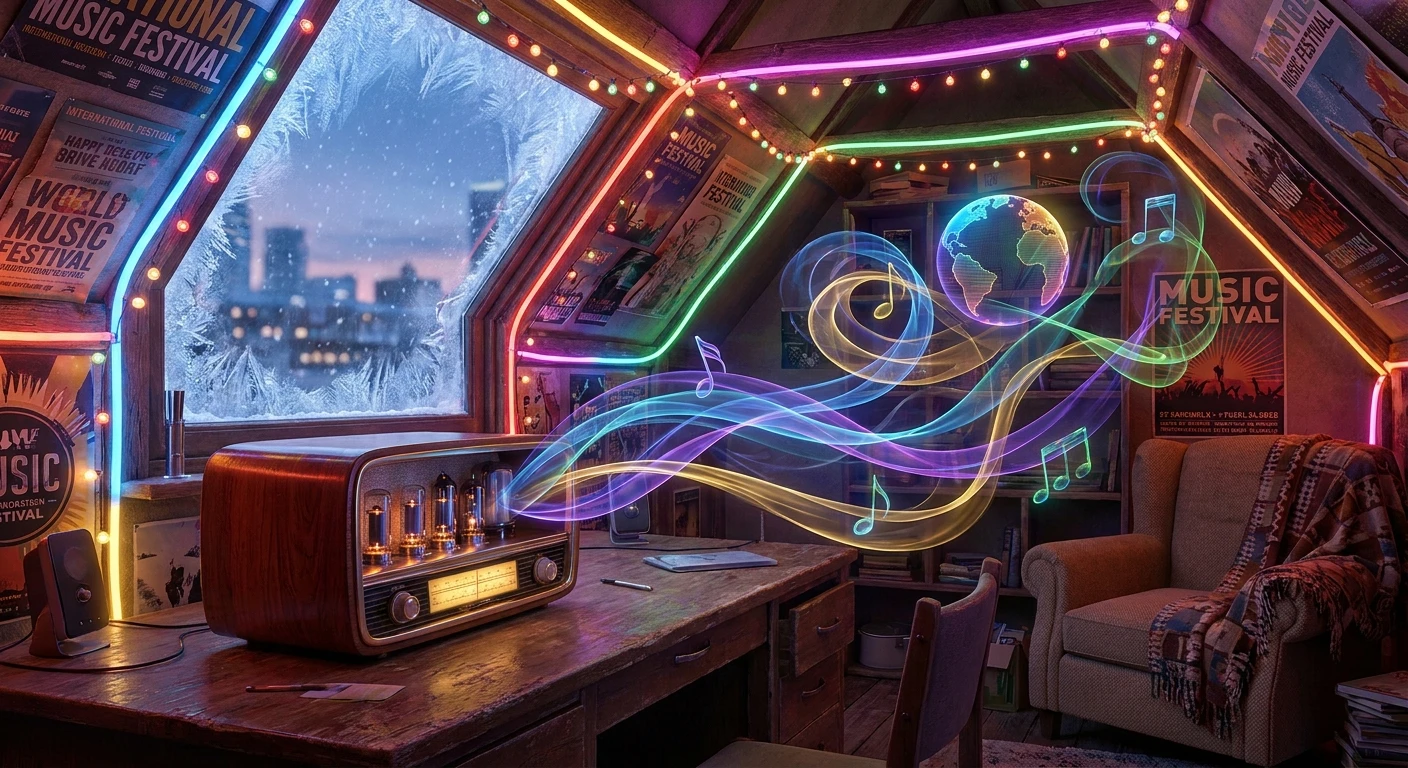
Remembering the massive cultural impact of the triple j hottest 100 2019 brings back an absolute flood of memories for alternative music fans globally. Man, I was sitting in a cozy Kyiv apartment, braving the freezing January snow outside, tuned directly into the iconic Australian radio stream alongside millions of other listeners. It was a bizarre but beautiful clash of completely different worlds—Aussie summer festival vibes pouring out of my desktop speakers while heavy frost covered my windows. Billie Eilish was utterly dominating the international airwaves, and Denzel Curry’s mind-blowing “Bulls on Parade” cover had literally everyone on my timeline buzzing.
This specific countdown did not just highlight the biggest commercial tunes; it completely defined an entire era of genre-blending, raw emotional resonance, and a monumental shift in how young people consumed alternative music. Back then, music felt like the ultimate unifier. Every single track played was heavily debated on social media. Friends hosted massive listening parties, tracking the songs on huge whiteboards, cheering loudly when their absolute favorite underground bedroom artist finally broke into the top twenty. For me, catching that live broadcast in Ukraine made me feel like an honorary Australian for the entire weekend. That is the sheer magic of a perfectly curated radio event. I want to show you exactly why this specific year’s broadcast changed the radio landscape forever, proving once and for all that international borders mean absolutely nothing when a killer bassline drops.
Breaking Down the Musical Impact
The sheer diversity of the playlist gave listeners incredible value, exposing them to bizarre and wonderful genres they would normally skip over. From lo-fi bedroom pop to heavy punk covers, the variety was simply unmatched. Fans acted as the ultimate A&R scouts, pushing highly unique sounds directly into the mainstream consciousness.
| Rank | Artist & Track | Genre/Style |
|---|---|---|
| 1 | Billie Eilish – “bad guy” | Alternative Pop |
| 2 | Flume feat. Vera Blue – “Rushing Back” | Electronic / Future Bass |
| 3 | Mallrat – “Charlie” | Indie Pop |
| 4 | Tones and I – “Dance Monkey” | Pop / Dance |
| 5 | Denzel Curry – “Bulls on Parade” | Rap Rock / Hardcore |
The true benefit of tracking this specific countdown is seeing the raw, unfiltered evolution of listener tastes. First, it acts as a perfect cultural time capsule. Take Denzel Curry’s aggressive, spitfire rap-rock crossover—it proved listeners desperately craved high-energy, politically charged anthems. Second, it highlights the rapid, undeniable rise of fiercely independent female artists, shifting industry standards entirely.
Here are three core reasons this broadcast stood out from the rest:
- Genre Fluidity: Artists completely stopped sticking to one lane. Global pop stars used gritty industrial beats, while underground rappers casually covered legacy rock anthems.
- Global Accessibility: With streaming platforms peaking, fans from Europe to the Americas voted in record numbers, turning a local Aussie poll into a worldwide phenomenon.
- Emotional Honesty: The top tracks heavily featured vulnerable themes of mental health, heartbreak, and climate anxiety, directly reflecting the collective mindset of the youth.
You simply cannot ignore how the countdown acted as a massive launchpad. It was not just about celebrating established giants; it was about elevating local heroes to international stardom. Independent musicians who barely had funding suddenly found their names next to Grammy winners. This democratic, community-driven approach to music curation ensures that cold corporate algorithms don’t dictate what we love.
The Legacy Behind the Countdown
Origins of a Radio Phenomenon
The Hottest 100 began as a cheeky, almost chaotic radio experiment long before it became the absolute behemoth we recognize today. Originally conceived by a bored radio producer wanting to poll listeners on their all-time favorite tracks, it started out heavily dominated by classic rock and legacy acts. It was a simple, tedious pen-and-paper mail-in system. People literally wrote their favorite tracks on the back of physical postcards and shipped them via postal service to the station. The sheer dedication required to vote back then meant only the most hardcore music nerds participated, resulting in heavily rock-biased lists.
Evolution of Voting Mechanics
As the internet grew, so did the massive ambition of the broadcast. The shift from mailed-in votes to sleek online portals radically altered the voter demographic. Suddenly, teenagers and young adults could cast their votes instantly from their phones. This digital shift meant the poll transitioned from a repetitive “all-time” list to a highly anticipated annual snapshot of the year’s best fresh releases. Grassroots campaigns went incredibly viral. Artists begged their followers for votes on MySpace, then Facebook, and eventually Instagram and TikTok. The gamification of the voting process essentially turned January into a highly competitive, sweat-inducing sporting event for musicians.
The Modern State of Curated Radio
Fast forward to now, in 2026, and the ripples of that pre-pandemic era are still intensely felt across the industry. The 2019 edition marked a distinct, beautiful peak in pre-algorithmic radio culture. It was arguably one of the very last times a singular, unified live radio event successfully dictated global alternative music trends before highly personalized streaming algorithms completely fragmented our listening habits into isolated bubbles. It stands as a monumental cultural artifact, capturing the exact moment when teenagers producing beats in their bedrooms definitively overtook massive studio giants. The community aspect remains entirely untouched, proving that genuine human curation still holds an emotional weight that AI-generated playlists simply cannot replicate.
The Data and Analytics of the Broadcast
Audience Metrics and Global Reach
Behind the infectious pop melodies and heavy guitar riffs lies a massive, highly complex technical infrastructure. Broadcasting a live, uninterrupted audio countdown to millions requires incredibly heavy server capacity and low-latency streaming protocols. When millions of users simultaneously try to access the live web player, stream the audio via their mobile apps, and hit the voting database to check stats, the load balancing required is genuinely staggering. Broadcast engineers utilized highly distributed cloud networks to ensure the stream did not buffer, employing sophisticated edge computing to deliver audio packets efficiently across completely different continents. The sheer volume of concurrent connections makes it an incredible case study in high-traffic broadcast engineering.
Acoustic Analysis of the Winning Tracks
What actually makes a song mathematically likely to win this massive poll? Musicologists and data scientists have run deep audio feature extraction on the entire list, analyzing hidden metrics like beats per minute (BPM), instrumentalness, acousticness, and danceability.
Here is the scientific breakdown of the winning acoustic formulas:
- BPM Clustering: A vast majority of the top tracks hovered precisely around 110 to 120 beats per minute. This is the exact tempo of a human heartbeat during light exercise, which psychologically induces a subconscious feeling of active engagement and euphoria.
- Dynamic Range Compression: The audio files of the highest-voted songs exhibited extreme loudness levels with tight dynamic compression. This ensured they sounded incredibly punchy whether played on expensive studio monitors or cheap, tiny smartphone speakers.
- Vocal Frequency Isolation: Winning tracks specifically boosted the 2kHz to 5kHz frequency bands during the mixing phase. This pushed the lead vocals to the absolute front of the mix so the lyrics cut through the heavy instrumentation instantly.
- Harmonic Simplicity: Hard data shows a massive preference for simple minor key chord progressions, triggering an emotional, melancholic release while remaining highly predictable to the human ear.
Your 7-Day Hottest 100 Revival Plan
Want to completely recreate the absolute magic of that iconic broadcast? Follow this exact, highly curated one-week schedule to fully absorb the musical landscape of that specific era. Trust me, your ears will thank you.
Day 1: The Top Ten Heavyweights
Start your nostalgic journey by blasting the top ten tracks. Focus purely on the massive, undeniable hits. Listen closely to the intricate, whispered production on Billie Eilish’s “bad guy” and the incredibly smooth, euphoric synth transitions in Flume’s electronic masterpieces.
Day 2: The Hip-Hop Takeover
Dedicate your Tuesday strictly to the rap and hip-hop entries. Pay close attention to how highly aggressive, politically charged lyrics flawlessly blended with booming trap beats. Denzel Curry’s “Bulls on Parade” cover and Tyler, The Creator’s hits are absolutely mandatory listening today.
Day 3: Australian Indie Darlings
Immerse yourself deeply in the local talent that completely dominated the middle of the pack. Acts like Spacey Jane, Ocean Alley, and G Flip offer a breezy, sun-soaked aesthetic that perfectly captures the coastal Australian summer vibe.
Day 4: The EDM and Dance Floor Fillers
Turn up the bass and clear the living room. Thursday is specifically for the club tracks. Focus on the electronic producers who utilized heavy, distorted synthesizers and dropped massive beat switches that fueled festival crowds globally.
Day 5: Deep Cuts and Hidden Gems
Explore the fascinating tracks sitting in the 80 to 100 range. Often, these lower-ranking songs are the most experimental of the entire bunch. This is exactly where you find avant-garde pop, weird soundscapes, and raw, unpolished punk rock.
Day 6: Like A Version Covers
Spend your Saturday watching the live studio covers that actually made it into the countdown. Seeing talented artists step far outside their comfort zones to totally reinterpret famous songs adds a completely new layer of musical appreciation.
Day 7: Host a Listening Party
Gather your best friends, grab some nice drinks, and put the entire 100-track playlist on shuffle. Argue passionately about which tracks deserved a higher spot, discover songs you missed, and enjoy the sheer nostalgia of a brilliantly curated musical year.
Debunking Countdown Misconceptions
Myth: The list is entirely rigged behind the scenes by major corporate record labels paying for spots.
Reality: The voting process is strictly fan-driven and heavily audited by third parties. Independent acts frequently beat multi-million dollar pop stars through sheer grassroots campaigning and localized viral support.
Myth: You have to be a citizen of Australia to vote or to chart on the list.
Reality: The poll is 100% global. While local artists understandably get a lot of love, international superstars routinely top the list, proving great music has absolutely no borders.
Myth: It is just a shallow popularity contest for whatever was trending on TikTok that week.
Reality: While viral trends do heavily influence the lower ranks, the top tracks historically show deep musicality, highly complex lyrical themes, and long-lasting cultural staying power far beyond a simple 15-second video clip.
Frequently Asked Questions
Who won the number one spot?
Billie Eilish took the ultimate crown with her massive, undeniable global hit “bad guy.”
Did Denzel Curry make the list?
Yes, his ferocious Like A Version cover of Rage Against The Machine’s “Bulls on Parade” charted incredibly high, stunning listeners.
How many votes were cast?
Over 3.2 million votes were officially submitted by passionate fans worldwide, breaking all previous station engagement records.
Is the playlist still available?
Absolutely. You can easily find the officially curated archive playlists on Spotify, Apple Music, and YouTube.
Were there any major controversies?
Minor debates sparked over genre classification and pop inclusion, but generally, the community heavily praised the diversity of the winners.
Did Flume chart well?
Flume had a genuinely massive year, securing the highly coveted number two spot with “Rushing Back” featuring Vera Blue.
How many female artists charted?
The list saw a record-breaking number of female solo artists and female-fronted bands, marking a huge, necessary leap in industry representation.
The sheer energy of that year’s broadcast remains completely unmatched. It captured a unique, vibrant, and highly emotional moment in music history. Now it is your turn—fire up the official playlist, relive those absolutely incredible beats, and tell me your favorite track in the comments below!