

Why Everyone is Talking About triple j presenters
You really cannot scroll through music forums without seeing heated, passionate debates about the current lineup of triple j presenters. When I was sitting in a small, frosty café in Kyiv last winter, nursing a cappuccino to fend off the biting eastern European cold, I accidentally stumbled onto their live digital stream. Instantly, the radiant warmth of Australian youth broadcasting melted the freezing Ukrainian morning right through my headphones. It is absolutely wild how a voice on the opposite side of the planet can feel like a close friend sitting right next to you, casually chatting over a beer.
The voices driving this iconic national youth broadcaster are significantly more than just people talking between tracks; they dictate the musical taste of millions, launch independent careers overnight, and set the cultural agenda for an entire continent. Now that we are navigating the fast-paced media landscape of 2026, the station’s roster feels fresher, more dynamic, and intensely connected to its audience. You might be wondering who exactly sits behind those massive broadcast microphones and how they manage to keep a notoriously fickle generation completely hooked. I am going to break down exactly what makes these hosts tick, the fascinating way the station has evolved over the decades, the actual acoustic and technical magic behind their incredibly relaxed sound, and even a rigorous blueprint for how someone might dream of sitting in that highly coveted studio chair. Let us get straight into the reality behind these massive voices.
So, what exactly do these hosts bring to the cultural table, and why do they hold such immense power in the music industry? The core benefit of tuning into triple j presenters isn’t merely about hearing a randomly generated, algorithmic playlist. These people act as dedicated cultural curators, mental health advocates, and fierce champions of local, grassroots music. Think about the mechanics of the modern music industry. When a presenter drops a raw, unmastered track by a completely unknown garage punk band from Perth or a bedroom pop producer from Adelaide, that musician’s life changes almost overnight. I have seen countless examples where an indie rock duo gained immense, stadium-level popularity simply after a casual daytime spin, and a solo electronic producer ended up headlining major international festival lineups purely because a daytime host championed their early demo tape. However, there is also a distinct flip side to this dynamic. A lukewarm review or a complete lack of airplay can seriously stall a budding musician’s momentum, highlighting the massive, sometimes intimidating influence these individuals wield over the local arts sector.
Let us look at the distinct roles they play in the daily ecosystem of the broadcast:
| Presenter Role | Core Functional Benefit | Specific Real-World Impact |
|---|---|---|
| Morning Breakfast Host | High-energy, comedic start to the day | Dramatically boosting listener mood, setting daily viral trends, driving morning text-line engagement |
| Afternoon Drive Presenter | Engaging, stress-relieving commute companion | Providing high listener interaction, offering intense comedic relief after brutal work shifts |
| Specialty Evening Shows | Deep-niche music discovery and curation | Launching underground hip-hop, heavy metal, or obscure electronic artists to a dedicated global audience |
The psychology behind how they capture their audience relies on several key factors:
- Highly authentic conversational style: They deliberately skip the fake, booming, traditional “radio voice” and speak exactly like your mates at a local pub.
- Fiercely interactive segments: Constant text-in lines, live callers, and real-time social media reactions make the audience an active participant in the actual broadcast.
- Completely unfiltered opinions: They share raw, honest thoughts on pop culture, avoiding the heavy, sanitized corporate censorship found on commercial networks.
- Deep empathy and social awareness: They openly discuss mental health, political anxiety, and social issues that genuinely matter to young people.
The Gritty, Rebellious Origins
The fascinating story of triple j presenters starts way back in the mid-1970s. Originally operating under the moniker Double J, the station was established in Sydney as a radical, rebellious answer to the highly commercialized, exceptionally stale radio landscape of the time. The very first hosts were unapologetic rule-breakers. They played heavily restricted and controversial tracks right out of the gate, entirely ignoring the conservative broadcasting rules of the era. These early, highly opinionated voices established a raw, gritty tone that permanently defined the network’s core brand identity.
Evolution Through the Decades
As the neon-soaked 80s and the grunge-heavy 90s rolled in, the station expanded nationally, transforming into the massive cultural juggernaut we recognize today. The presenters during these crucial decades shifted from underground rebels to national tastemakers. They championed the inception of the Hottest 100, which rapidly grew from a quirky listener poll into a massive global phenomenon. During this specific era, hosts mastered the delicate art of balancing alternative music credibility with massive mainstream appeal. They became the ultimate gateway to alternative rock, electronic beats, and emerging Australian hip hop, bridging the widening gap between niche local scenes and huge, sweaty festival crowds.
The Modern State of the Studio
Fast forward to 2026, and the landscape is highly digital, fragmented, and extremely competitive. Today’s triple j presenters do far more than just speak rhythmically into a microphone. They are full-fledged multimedia personalities. They host massive live video streams, produce highly viral social media content on an hourly basis, and record in-depth, long-form podcasts. The current roster deeply reflects a much more diverse, multicultural Australia, bringing completely different ethnic backgrounds, gender identities, and regional perspectives to the national airwaves. They have successfully maintained the original anti-establishment rebel spirit while seamlessly adapting to the relentless demands of the short-attention-span generation.
The Acoustic Psychology of the Broadcast
You might assume sitting in a studio is just about possessing a loud voice and a basic ability to read a script, but the profound connection triple j presenters build relies heavily on complex acoustic psychology. Broadcasters utilize a distinct technique rooted in “parasocial interaction.” This is a documented psychological phenomenon where listeners develop a deeply felt, one-sided emotional bond with a media personality, believing they are genuine friends. The hosts achieve this by manipulating specific vocal frequencies. They intentionally lower their vocal pitch, breathe rhythmically, and adopt a relaxed, unhurried pacing. This precise acoustic delivery triggers a calming neurological response in the listener’s brain, perfectly mimicking the acoustic intimacy of a close-quarters, personal conversation.
Technical Setup for That Raw Sound
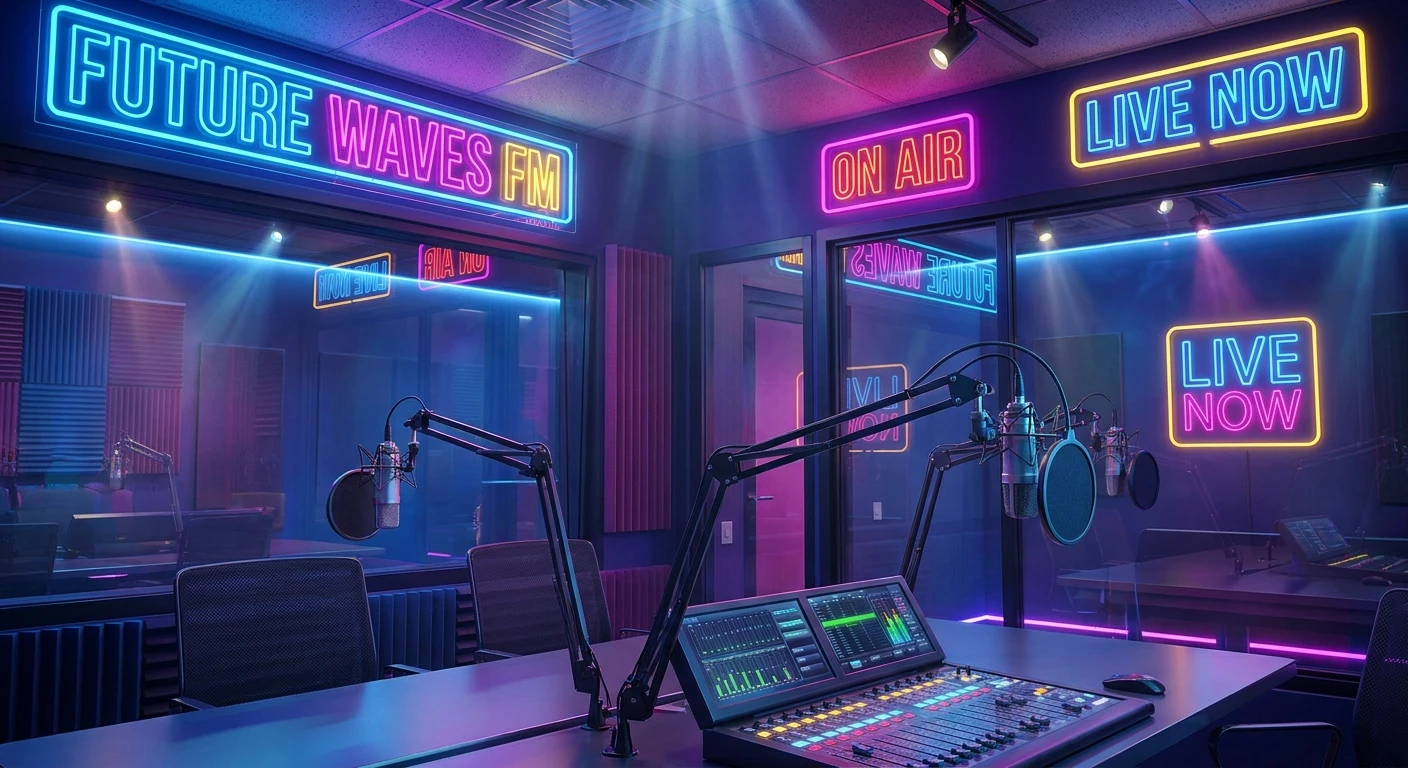
Achieving that seemingly effortless, relaxed vibe actually demands highly advanced, meticulously configured audio engineering. The broadcast studio absolutely does not use standard, cheap plug-and-play microphones; they rely on precise dynamic broadcasting microphones specifically tuned to capture the nuanced “proximity effect.”
Here are several scientific and technical facts about their daily audio delivery:
- Dynamic Range Compression: Highly skilled audio engineers use fast-attack digital compressors to ensure a quiet whisper sounds just as clear and present as a sudden, loud laugh, keeping the broadcast volume strictly consistent without losing any emotional impact.
- Proximity Effect Utilization: Presenters sit intimately close to large-diaphragm cardioid microphones like the legendary Shure SM7B. This physical positioning naturally boosts the low-frequency bass in their human voices, making them sound considerably warmer, richer, and more authoritative.
- Total Acoustic Treatment: The multimillion-dollar studios feature specially angled non-parallel walls, thick bass traps, and specialized foam diffusers to completely eliminate standing sound waves and nasty room reverberations, ensuring absolute, pristine vocal clarity.
- Psychoacoustic Equalization: Subtle digital equalizers are applied to slightly enhance the specific frequencies (typically around the 3kHz to 5kHz range) where human speech intelligibility is at its absolute highest peak.
Are you wondering how determined, music-obsessed people actually land these incredibly coveted jobs? If you want to systematically follow in the footsteps of the best youth radio hosts, here is a rigorous, demanding 7-day blueprint to totally kickstart your broadcasting journey and get your foot in the heavy studio door.
Day 1: Find Your Unique Vocal Identity
Stop trying to actively mimic existing media stars. Spend your entire first day recording yourself talking passionately about your favorite niche music genres. Listen back with a highly critical ear and identify your natural conversational quirks, your unique slang, and your organic pacing. Your flaws are often your best radio assets.
Day 2: Master Basic Audio Editing
You absolutely must possess technical independence. Download industry-standard or free software like Audacity, Adobe Audition, or GarageBand. Spend hours practicing how to cleanly cut dead air, smoothly add backing music beds, and perfectly mix vocal levels so you sound like a polished professional.
Day 3: Launch a Demo Podcast
Do not sit around waiting for a massive studio to hand you a microphone. Start a hyper-focused, short-form podcast right from your bedroom. This acts as your dynamic, living portfolio, proving to potential employers that you can sustain an audience, generate endless content, and strictly adhere to a rigorous publishing schedule.
Day 4: Network with Local Community Radio
Every major host you hear on the national dial started incredibly small. Reach out to a university radio station or a hyper-local community broadcast network. Eagerly volunteer for the brutal, exhausting overnight graveyard shifts. This is the ultimate training ground where you can make catastrophic technical mistakes entirely off the radar.
Day 5: Curate a Diverse Musical Palette
You cannot simply love one single genre of music if you want to succeed. Dedicate this entire day to aggressively exploring underground hip-hop, obscure indie folk, and abrasive experimental electronic music. Build massive, eclectic playlists that flow naturally and logically between wildly different sonic styles.
Day 6: Build a Multimedia Digital Presence
Being a great voice on the airwaves is no longer enough. Dedicate the day to setting up your digital ecosystem to reflect your new radio persona. Post behind-the-scenes editing content, raw music reviews, and funny observations to prove you deeply understand modern digital engagement and viral algorithms.
Day 7: Pitch a Specialty Segment
Compile all your hard work into a tight, highly compressed three-minute demo tape featuring your absolute best, punchiest vocal breaks. Send this specific demo directly to community radio program directors accompanied by a clear, sharply written pitch for a brand-new, highly original weekly segment.
Let us quickly clear up some massive, pervasive misconceptions about what this job actually entails on a daily basis.
Myth: They simply walk into the studio, sit down, and talk effortlessly for three hours.
Reality: A seemingly casual three-hour live show requires roughly four to five hours of intense, off-air preparation. This includes writing tight scripts, pre-interviewing nervous guests, mapping out the exact minute-by-minute timing of the segments, and constantly adjusting to breaking news.
Myth: They have the absolute freedom to choose every single song they play on air.
Reality: While late-night specialty show hosts have massive creative freedom, the prime-time daytime presenters work closely alongside highly experienced, data-driven music directors. These directors program the core daily playlist to ensure a very specific, scientifically tested sonic balance.
Myth: You must possess an expensive university degree in media or journalism to get hired.
Reality: While formal education certainly helps navigate media law, raw natural charisma, relentless community radio experience, and a deep, highly authentic connection to youth culture are significantly more valuable to top-tier program directors.
Myth: The job is entirely stress-free because they just listen to cool music all day.
Reality: Operating a live, complex broadcasting desk while simultaneously engaging with millions of listeners, monitoring multiple social media feeds, and hitting strict timing cues down to the absolute second is incredibly stressful and mentally exhausting.
Who are the current morning hosts?
The breakfast lineup frequently rotates to maintain freshness, but it consistently features a highly dynamic, energetic duo heavily focused on quick-witted comedy and breaking new music.
Do presenters write their own jokes and scripts?
Yes, they heavily rely on their own natural comedic timing and writing skills, though dedicated segment producers actively help brainstorm daily topics and filter caller lines.
Can I message the studio live during a broadcast?
Absolutely. The dedicated text line and social media channels are always open and are highly monitored by producers in real-time during live broadcasts.
Where is the main broadcast studio physically located?
The primary, state-of-the-art broadcast hub is centrally located in Sydney, though presenters frequently travel and broadcast remotely from major music festivals across the country.
How much do these radio personalities get paid?
Salaries vary wildly. Entry-level weekend hosts make standard media industry rates, while prime-time weekday stars command significantly higher, heavily negotiated contracts.
Do they keep their prestigious jobs forever?
No. The network intentionally and strategically refreshes its talent lineup to ensure the voices always stay culturally relevant to the core 18-24 demographic.
Are the live concert segments mixed by the on-air hosts?
No. Highly trained, dedicated live sound engineers meticulously handle the complex live music mixing, completely separate from the on-air talent.
To sum everything up, the voices projecting through your speakers are incredibly hard-working cultural ambassadors constantly bridging the gap between emerging artists and passionate fans. They expertly shape our daily routines with sharp humor, genuine empathy, and consistently excellent tunes. If you loved reading about the reality behind the microphones, drop a comment below with your favorite host and immediately share this post with your biggest music-obsessed friend!