

The Ultimate Guide to Exploring Bintan Island
If you are searching for a pristine tropical escape, Bintan Island should be right at the top of your radar. Sitting just a short catamaran ride away from the bustling metropolis of Singapore, this Indonesian gem serves as the perfect counterbalance to high-speed city life. It is fascinating how quickly the scenery shifts from skyscrapers to swaying palm trees, offering a distinct blend of highly curated luxury resorts and raw, untamed natural beauty. You get the absolute best of both worlds here. Our main premise is straightforward: understanding the geography, local culture, and logistical nuances of this destination ensures you get way more out of your trip than just a standard beach holiday.
Located in the Riau Archipelago, this destination spans roughly 1,140 square kilometers and boasts an impressive coastline that looks straight out of a cinematic travel documentary. The northern region, known primarily as Bintan Resorts, operates almost like a separate entity with its manicured golf courses, private beaches, and high-end spas. Meanwhile, the eastern and southern edges of the landmass give you direct access to traditional fishing villages, bustling local markets in Tanjung Pinang, and unblemished coastal stretches like Trikora Beach. Whether you want to lounge by a massive man-made saltwater lagoon or hike through dense tropical foliage to find hidden waterfalls, the diversity of experiences available here is genuinely staggering.
Read also: Ultimate Guide to Mosman; Ultimate Guide to Visiting lincolns rock.
Beyond the stunning aesthetics, this territory plays a crucial role in regional tourism and the local economy. It acts as a primary gateway for international visitors entering the Indonesian archipelago, blending seamless modern hospitality with centuries of deep-rooted Malay and Bugis heritage. You do not just come here to get a tan; you come to experience a complex, vibrant ecosystem where nature and culture intersect effortlessly.
Maximizing Your Trip: Logistics, Value, and Preparation
Getting your logistics sorted is the first step to unlocking everything the area has to offer. The vast majority of international visitors arrive via ferry, making the crossing from Tanah Merah Ferry Terminal in Singapore to Bandar Bentan Telani (BBT) in the north, or Sri Bintan Pura in the south. The infrastructure is incredibly well-oiled, meaning you spend less time stressing over transport and more time actually enjoying the climate.
Let us look at a quick breakdown of your primary transportation options:
| Transport Method | Average Duration | Best For |
|---|---|---|
| High-Speed Ferry (Singapore to North) | 60 Minutes | Resort guests, quick weekend getaways, seamless luxury travel |
| Ferry (Singapore to South/Tanjung Pinang) | 100 Minutes | Cultural explorers, budget travelers, backpackers |
| Domestic Flight (to Raja Haji Fisabilillah Airport) | Varies by origin | Travelers coming from Jakarta or other Indonesian islands |
The core value proposition here is versatility. You have two distinctly different ways to experience the location. Example 1: The ultra-luxurious resort bubble. You can stay in a private villa with an infinity pool, take a golf cart to a championship golf course designed by Gary Player, and eat world-class fusion cuisine without ever leaving the resort enclave. Example 2: The authentic cultural immersion. You can rent a scooter, drive down to the historic stilt villages of Senggarang, eat freshly caught seafood at a local kelong (wooden offshore platform), and chat with local artisans carving traditional wooden boats.
To make sure you are fully prepared, follow this quick checklist before you pack your bags:
- Verify Visa Requirements: While many nationalities get visa-free entry or Visa on Arrival (VOA) for Indonesia, the specific rules frequently update. Double-check the official immigration portal right before your trip.
- Manage Your Currency: Although the northern resorts often accept credit cards and sometimes Singapore Dollars, venturing out into Tanjung Pinang or local markets absolutely requires Indonesian Rupiah (IDR) in cash.
- Pack for the Tropics: The equatorial climate means high humidity and sudden rain showers. Bring breathable fabrics, high-SPF reef-safe sunscreen, and a reliable dry bag if you plan on doing water sports or mangrove tours.
The Ancient Origins of the Riau Archipelago
The history of this region is just as colorful as its coral reefs. Long before speedboats and luxury spas existed, the Riau Islands were a massive, strategic maritime hub. Situated perfectly along the India-China trade routes, the area saw massive influxes of merchants, pirates, and explorers. The Srivijaya Empire, one of the most powerful maritime kingdoms in Southeast Asian history, exerted massive influence over these waters starting around the 7th century. Traders came seeking spices, gold, and safe harbor, turning the coastal settlements into bustling melting pots of Malay, Chinese, and Indian cultures.
Evolution Through the Spice Trade Era
As the centuries progressed, the territory fell under the domain of the Malacca Sultanate and later the Johor-Riau Sultanate. By the 18th century, it was the epicenter of Malay culture and Islamic scholarship. The Bugis people, renowned seafarers and warriors from Sulawesi, also settled here, heavily influencing the political landscape and naval supremacy of the Sultanate. The remnants of this golden age are still visible today, especially on nearby Penyengat Island, which served as the fortified seat of the empire and the birthplace of modern Malay grammar and literature.
The Modern State of Tourism and Economy
The modern era of the destination kicked off in the early 1990s through a bilateral agreement between the Indonesian and Singaporean governments. This strategic partnership aimed to transform the northern coastline into a world-class resort destination, effectively creating the Bintan Resorts enclave we see today. Since then, millions of dollars have been injected into local infrastructure, creating jobs and preserving massive tracts of land for eco-tourism. Today, the local economy heavily relies on this delicate balance between high-volume international tourism, traditional fishing, and emerging agricultural sectors.
Geological Formation and Coastal Topography
From a geological standpoint, the landmass is a fascinating chunk of the Sunda Shelf, an extension of the Southeast Asian continental shelf. The island is characterized by an undulating topography, dominated by massive granite outcroppings and lush, rolling hills. Gunung Bintan (Mount Bintan) is the highest peak, sitting at about 340 meters above sea level. This peak is actually a remnant of ancient tectonic activity and extensive weathering, giving it a dense, jungle-clad profile. The coastal margins are dynamic, featuring a mix of white quartz sand beaches, tidal mudflats, and intricate river estuaries that flood with the tidal shifts of the South China Sea.
Marine Ecology and Mangrove Ecosystems
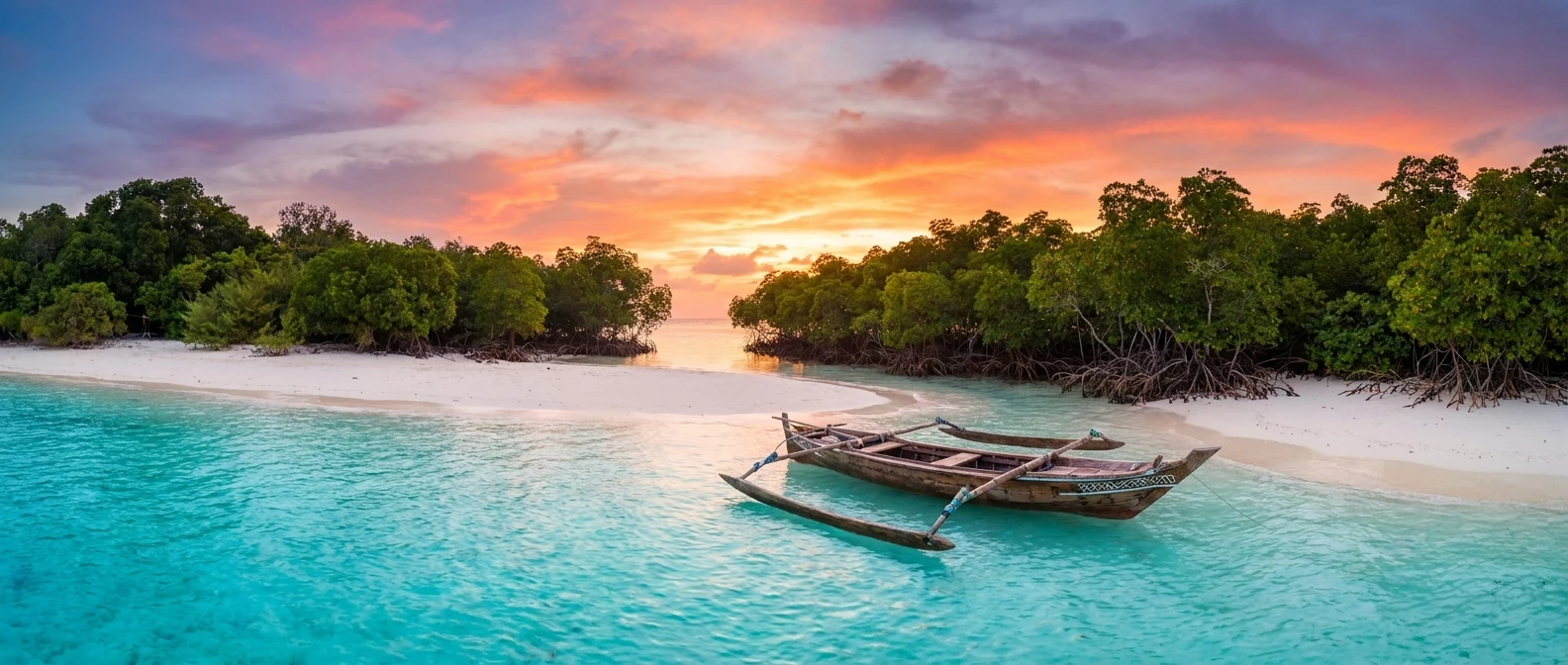
The ecological wealth here is astounding, primarily driven by the massive mangrove forests, specifically along the Sebung River. These mangroves act as the lungs of the island and a critical buffer against coastal erosion. The complex root systems of the Rhizophora trees filter salt from the seawater and provide a safe nursery for hundreds of marine species. It is a highly specialized environment that demands a closer look.
- Avian Biodiversity: The estuarine forests are home to majestic birds like the Purple Heron, Kingfishers, and the Brahminy Kite, making it a paradise for birdwatchers.
- Unique Primates: The jungles host troops of Silvered Leaf Monkeys (often seen with their striking orange infants) and the elusive Sunda slow loris.
- Marine Mega-fauna: The surrounding seagrass beds are vital feeding grounds for the endangered Dugong, as well as various species of sea turtles, including the Hawksbill and Green turtle.
- Bioluminescence: At night, the mangrove canopy is illuminated by thousands of synchronous fireflies (Pteroptyx), creating a breathtaking natural light show heavily dependent on unpolluted air and water.
The Perfect 7-Day Actionable Itinerary
If you have a full week to explore, you can experience a perfect blend of relaxation, adventure, and history. Here is a step-by-step blueprint to maximize your time on the ground.
Day 1: Arrival and Northern Coastal Acclimatization
Check into your resort in the Lagoi area and spend the first day adjusting to the tropical climate. Enjoy the pristine private beaches, take a dip in the ocean, and have a relaxed seafood dinner by the water. The goal today is simply to decompress after your travel.
Day 2: Exploring the Sebung River Mangroves
Book an eco-tour for the afternoon. You will ride a small boat deep into the dense mangrove channels, learning about the complex root systems and spotting monkeys and monitor lizards. Stick around for the night tour to witness the incredible fireflies lighting up the riverbanks.
Day 3: Historical Tour of Penyengat Island
Take a taxi down to Tanjung Pinang and catch a small pom-pom boat to Penyengat Island. Spend the day walking through the ruins of old palaces and visiting the spectacular Sultan Riau Grand Mosque, which local legend says was built using egg whites as a binding agent for the mortar.
Day 4: Trekking Mount Bintan
Wake up early for a guided trek up Gunung Bintan. The hike takes about two hours to reach the summit, taking you through towering dipterocarp trees and wild fruit orchards. The panoramic view of the island from the top is incredibly rewarding, and you can cool off in a small waterfall near the base on your way down.
Day 5: Water Sports at Treasure Bay
Head to Crystal Lagoon at Treasure Bay, a massive 6.3-hectare man-made seawater lagoon. It is an adrenaline junkie’s playground. Spend the day wakeboarding, riding an ATV along the dirt tracks, or trying out the inflatable water park. It is high-energy fun in a perfectly safe environment.
Day 6: Cultural Immersion in Senggarang Village
Visit the traditional stilt village of Senggarang, one of the oldest Chinese settlements in the archipelago. Walk the wooden boardwalks built over the ocean, explore the ancient Buddhist temples, and check out the famous Banyan Tree Temple, an old shrine completely swallowed by the roots of a massive, ancient tree.
Day 7: Trikora Beach Relaxation and Departure
Spend your final morning driving along the eastern coast to Trikora Beach. It is far more rustic and local than the northern resorts. Lounge on the white sand, snap photos of the granite boulders, and grab a fresh coconut from a roadside stall before heading to the ferry terminal for your journey home.
Myths & Reality
There are quite a few misconceptions about this destination floating around online. Let us clear them up right now.
Myth: It is just a massive, synthetic resort bubble with no real culture.
Reality: While the northern coast is highly developed for luxury tourism, driving just 30 minutes south brings you into authentic, bustling Indonesian towns, historical stilt villages, and ancient historical sites.
Myth: You can only pay with Singapore Dollars.
Reality: Outside the main resort enclave, Indonesian Rupiah (IDR) is the only accepted currency. You definitely need cash for local markets, small warungs (eateries), and independent taxi drivers.
Myth: The beaches are the only thing worth seeing.
Reality: The island is packed with dense jungles, complex mangrove ecosystems, massive granite mountains, and historically significant ruins. The beaches are fantastic, but they are barely scratching the surface.
Myth: It is completely shut down during the monsoon season.
Reality: While the northeast monsoon brings heavier rain and rougher seas from November to March, the resorts, spas, and cultural sites remain open, often offering a quieter, more relaxed vibe and lush, green landscapes.
Frequently Asked Questions & Conclusion
Do I need a visa for Indonesia?
Many nationalities are eligible for a Visa on Arrival or visa-free entry, but you must check the official Indonesian immigration website prior to booking, as regulations shift.
How long is the ferry from Singapore?
The high-speed catamaran from Tanah Merah Ferry Terminal to Bandar Bentan Telani takes exactly one hour.
What is the best time of year to visit?
The dry season, running from late March to October, offers the best weather for beach lounging, snorkeling, and outdoor trekking.
Is it safe for families?
Absolutely. The resort areas are highly secure, family-focused, and offer extensive kids’ clubs, gentle waters, and accessible medical facilities.
What power plugs are used?
You will generally find the European-style two-pin round plugs (Type C and F). Bring a universal adapter just to be safe.
Can I drink the tap water?
No, it is highly recommended to stick to bottled or properly filtered water for drinking and brushing your teeth.
Is ride-sharing available?
Traditional ride-sharing apps like Grab or Gojek operate in limited capacity in the south, but within the resort zones, you will rely on hotel shuttles or pre-arranged private drivers.
Bintan Island is so much more than a quick weekend stopover; it is a remarkably diverse destination that caters to luxury seekers, eco-tourists, and history buffs alike. By stepping outside the resort boundaries, you unlock an entirely different world of mangrove jungles, ancient temples, and authentic local cuisine. Stop putting it off—start planning your itinerary, book those ferry tickets, and get ready to experience one of Indonesia’s most captivating islands firsthand!