
Understanding a Soapy Taste in Mouth
Experiencing a soapy taste in mouth out of nowhere can instantly make you pause and wonder exactly what is going wrong with your body. It is a highly specific, undeniable sensation that feels exactly like you just accidentally chewed on a bar of lavender soap or swallowed a mouthful of dish detergent. The truth is, altered taste perception—medically known as dysgeusia—happens much more frequently than people think, and it rarely means you actually ingested a toxic cleaning product. When your tongue suddenly registers strong, unexpected alkaline notes, your body is sending you a direct signal about an underlying chemical, neurological, or physiological shift taking place.
This bizarre symptom can stem from simple everyday triggers like the specific brand of toothpaste you use, entirely unexpected systemic issues within your digestive tract, or certain prescription medications altering your natural sensory pathways. Understanding why your palate is suddenly betraying you is the first critical step toward fixing the issue permanently. By breaking down the exact mechanics of taste bud distortion, exploring the fascinating biological reasons behind the alkaline flavor, and walking through a concrete plan of action, you can quickly neutralize the problem. You simply do not have to live with a ruined appetite or constant anxiety over every meal. It is time to get your normal sense of taste back and enjoy your food without that lingering sudsy sensation.
Read also: What Causes a Dent in Head? Risks and Medical Solutions; Understanding Saggy Balls: Causes, Biology, and Care.
Primary Causes and Impacts
When dealing with sudden taste abnormalities, breaking down the exact causes helps clarify your next steps immediately. A soapy sensation primarily happens because of specific chemical reactions on the tongue or misfiring neurological signals communicating the wrong message to the brain. For example, if you eat pine nuts that have gone bad or suffer from a strange condition known as pine nut syndrome, you might experience an intense bitter, metallic, or soapy sensation a few days later that ruins the flavor of everything else you consume. Another prime example is sodium lauryl sulfate (SLS), a highly common foaming agent found in most commercial toothpastes. If not rinsed thoroughly, SLS interacts directly with your sweet taste receptors, temporarily suppressing them and leaving a lingering soapy film that makes your morning orange juice taste absolutely terrible.
To accurately assess your situation, refer to this breakdown of common triggers:
| Symptom Trigger | Primary Medical/Chemical Cause | Action Level |
|---|---|---|
| Post-brushing alkaline flavor | Sodium lauryl sulfate (SLS) in toothpaste | Low urgency – Switch dental products |
| Constant metallic or soapy flavor | Medication side effect or hormonal shift | Moderate urgency – Monitor closely |
| Flavor combined with heartburn | Gastroesophageal reflux disease (GERD) | High urgency – Treat acid reflux |
Beyond switching out your toothpaste or avoiding specific foods, you must take a highly systematic approach to identify the root cause. Here are three crucial steps to evaluate your immediate environment:
- Audit your prescription medications. Many common drugs, especially specific antibiotics, blood pressure medications, and antihistamines, are notorious for altering saliva composition and leaving an alkaline residue behind.
- Check your hydration levels constantly. A dry mouth reduces your saliva’s natural ability to wash away bacteria and food particles, which directly concentrates alkaline compounds on your tongue.
- Review your recent dietary changes. Heavy consumption of highly processed foods, unwashed produce carrying mild pesticide residues, or specifically pine nuts can trigger delayed sensory reactions that mimic the flavor of detergent.
Origins of Dysgeusia
The sensation of a soapy taste is scientifically categorized under dysgeusia, a condition where the perception of taste is significantly altered or distorted. Historically, ancient physicians recognized severe taste abnormalities but lacked the microbiological vocabulary to explain them properly. Early medical texts from various global traditions often linked strange tastes directly to an imbalance of bodily humors, assuming that a bitter or soapy tongue indicated excess bile, poor digestion, or a sluggish liver. While their terminology was rudimentary, they correctly identified that gastrointestinal distress could indeed project bizarre flavors back up into the oral cavity. For centuries, patients reporting a taste of lye or soap were simply advised to chew on strong herbs like mint or clove to mask the sensation, as the underlying neurological and chemical causes remained entirely unknown.
Evolution of Diagnostic Methods
As medicine advanced through the 19th and 20th centuries, researchers began mapping the cranial nerves responsible for taste—specifically the facial nerve and the glossopharyngeal nerve. The evolution of diagnostics shifted from merely observing the tongue to understanding exactly how sensory information travels from the taste buds to the brain. Scientists discovered that any interruption or chemical interference along this complex neural pathway could cause the brain to interpret a completely neutral signal as a highly specific, often unpleasant flavor like soap. The invention of detailed chemical analysis allowed dentists to isolate exact compounds, such as foaming agents in dental care products, proving definitively that external chemicals were directly overriding natural taste receptors.
Modern State of Oral Care
Today, the medical community treats phantom tastes with incredible precision. Modern diagnostics involve comprehensive saliva testing, medication audits, and neurological exams to pinpoint the exact origin of the symptom. Doctors now understand that an alkaline or soapy flavor is not a random anomaly but a predictable reaction to specific stimuli, from acid reflux silently reaching the back of the throat at night to the genetic super-taster response to certain chemical compounds like cilantro. Treatments have evolved from mere symptom masking to highly targeted interventions that correct the underlying chemical imbalance.
The Neurology of Taste Receptor Alteration
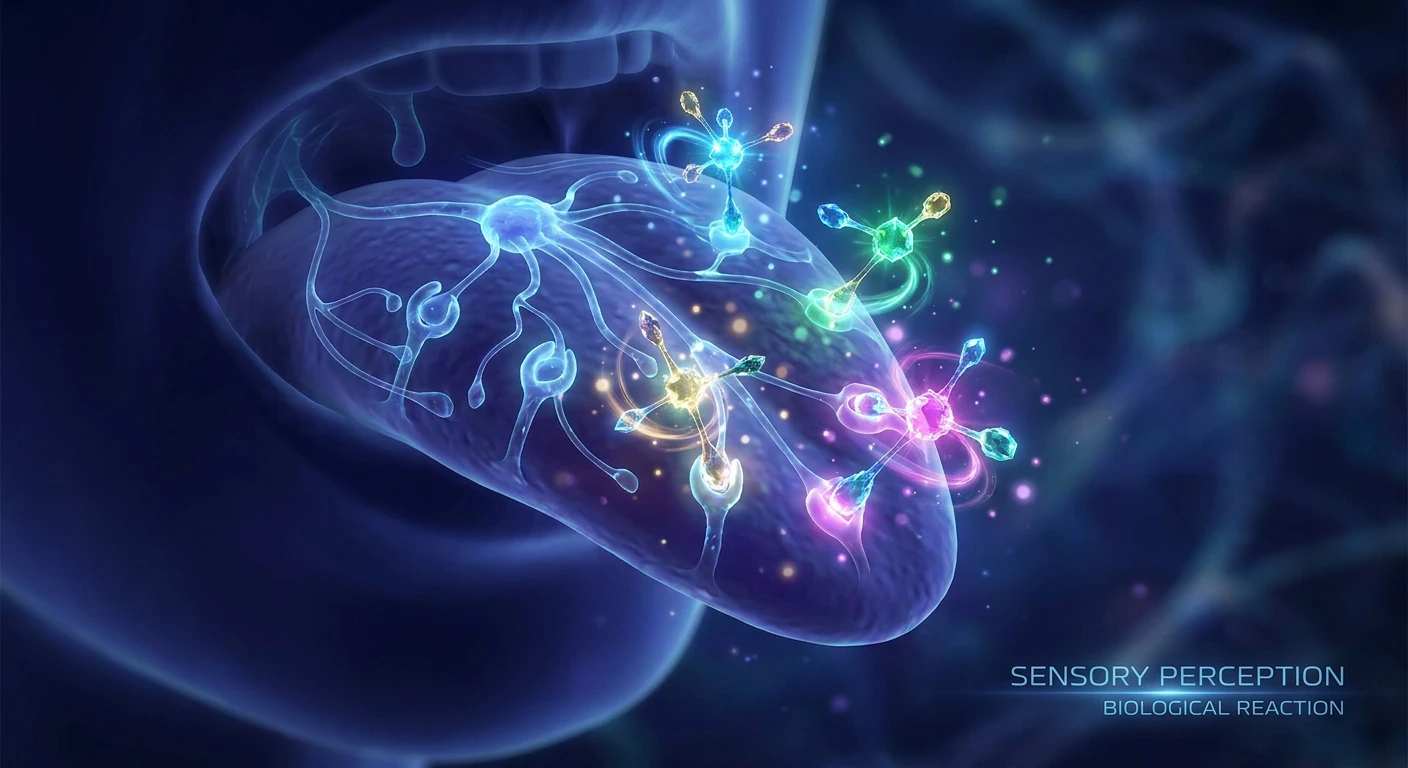
Your tongue is covered in thousands of microscopic papillae, each housing specialized taste buds that detect five primary profiles: sweet, salty, sour, bitter, and umami. The perception of soap is essentially a highly complex misfire. When a soapy taste occurs, it is usually because the bitter and sour receptors are simultaneously triggered in an unusual pattern, while sweet receptors are chemically blocked from functioning properly. This sensory data travels rapidly via the chorda tympani nerve to the brain stem, and then upward to the gustatory cortex. If a medication crosses the blood-brain barrier or enters the salivary glands, it chemically alters the saliva at a microscopic level. The brain receives a distorted signal and, quickly searching its memory banks for a matching flavor profile, interprets the resulting chemical combination as detergent or soap.
Biochemical Reactions in the Mouth
The oral cavity is a highly active chemical environment that never rests. Saliva acts as a natural buffering agent, constantly working to neutralize harsh acids and maintain a perfectly stable pH level. When this delicate balance shifts aggressively toward an alkaline state, the immediate result is often a soapy sensation. This biochemical shift can be driven by a variety of scientifically proven factors that interact directly with the cellular structure of your tongue.
To understand the pure chemistry behind this phenomenon, consider these factual realities of oral biology:
- Sodium lauryl sulfate (SLS), a common surfactant, actively dissolves the phospholipids that normally protect your sweet taste receptors, making bitter and alkaline flavors intensely dominant for hours.
- Gastroesophageal reflux introduces highly acidic gastric contents into the mouth; when the body rapidly produces alkaline saliva to neutralize the sudden acid attack, the resulting chemical mixture tastes strongly of soap.
- Certain genetics variants, specifically the OR6A2 olfactory receptor gene, cause specific individuals to interpret aldehydes—compounds found naturally in cilantro and artificial soaps—as tasting identical to liquid dishwashing soap.
- Heavy metal concentrations in poorly filtered drinking water can directly interact with salivary proteins, instantly creating an astringent, alkaline film across the palate that lingers.
When dealing with this frustrating symptom, you need a structured approach to eliminate variables. Follow this seven-step protocol to reset your taste buds and identify the exact culprit causing the issue.
Step 1: Immediate Oral Rinse
Start by thoroughly flushing your mouth to remove any immediate chemical residue. Mix half a teaspoon of plain salt in warm water and swish vigorously for thirty seconds. Saltwater is a powerful natural neutralizer that helps wash away excess alkaline buildup and temporarily soothes irritated taste buds without adding new chemicals to the mix.
Step 2: Audit Your Dental Products
Check the ingredient list on your toothpaste, mouthwash, and whitening strips. If you see sodium lauryl sulfate printed on the back, discard or set aside the product immediately. Switch to an SLS-free, naturally formulated toothpaste for the remainder of this protocol to completely rule out surfactant interference.
Step 3: Increase Water Intake
Dehydration heavily concentrates the chemical compounds naturally found in your saliva. Commit to drinking at least eight large glasses of filtered water daily. This constant flushing action dilutes residual medications and prevents a dry mouth environment where soapy, alkaline flavors naturally thrive and multiply.
Step 4: Neutralize with Acidic Foods
Since soap is naturally alkaline by definition, you can actively balance your oral pH by introducing mild dietary acids. Squeeze fresh lemon juice into your drinking water or eat a small citrus fruit like an orange or grapefruit. The citric acid will shock your taste receptors back into alignment and stimulate fresh, perfectly balanced saliva production.
Step 5: Check Prescription Side Effects
Pull out every single medication, vitamin, and dietary supplement you currently take. Read the official pharmacy documentation specifically looking for words like dysgeusia, altered taste, or dry mouth. If you find a match, you have highly likely identified your root cause and should speak to your pharmacist.
Step 6: Monitor Diet and Acid Reflux
Track your daily meals meticulously to see if the soapy flavor spikes immediately after eating. Pay extremely close attention to late-night snacking, which frequently triggers silent acid reflux while you sleep. Elevating your head with an extra pillow at night can physically prevent harsh gastric juices from reaching your tongue.
Step 7: Schedule a Medical Consultation
If the alkaline taste persists continuously beyond a full week despite changing your toothpaste and staying heavily hydrated, book an appointment with a doctor. Persistent dysgeusia requires professional blood work to accurately check for hidden vitamin deficiencies, kidney function abnormalities, or underlying hormonal shifts.
Misinformation about oral health can lead to intense, completely unnecessary anxiety. Let us clear up the most common misunderstandings regarding this bizarre symptom.
Myth: A soapy flavor means you accidentally swallowed actual soap or toxic cleaning chemicals.
Reality: Unless you explicitly drank a household cleaner, this taste is an internal biological response. It is a chemical misinterpretation by your brain, usually driven by sudden changes in saliva composition, not actual soap ingestion.
Myth: Only individuals with terrible dental hygiene experience these strange, off-putting flavors.
Reality: Even people with flawless, dentist-approved oral hygiene routines develop this symptom. In fact, overusing aggressive mouthwashes and chemical-heavy toothpastes is a very frequent trigger.
Myth: Experiencing a soapy sensation is always the first sign of a severe neurological disease.
Reality: While neural pathways are absolutely involved in the process, the vast majority of cases are completely benign. Simple factors like a new prescription medication, minor acid reflux, or eating a meal heavy in cilantro are the usual culprits.
Is a soapy flavor a sign of poison?
No, it is highly unlikely to be poison. It is almost always a benign chemical or sensory reaction happening safely within your own body.
Can anxiety cause this taste?
Yes, severe anxiety can trigger dry mouth, which heavily concentrates saliva and can lead directly to strange, metallic, or alkaline flavors.
Does COVID-19 cause soapy flavors?
Viral infections can cause massive disruptions to olfactory and gustatory nerves, frequently resulting in a wide variety of phantom tastes, including soap.
Will brushing my teeth more help?
Not necessarily. If your current toothpaste contains SLS, brushing more frequently will actually make the alkaline sensation much worse.
Can acid reflux feel like soap?
Absolutely. When stomach acid mixes with the powerful neutralizing enzymes in your saliva, it often produces a highly distinct soapy profile.
Are genetics involved?
Yes, genetics dictate exactly how you perceive specific compounds like aldehydes. This is precisely why cilantro tastes perfectly fresh to some people and exactly like bath soap to others.
How long does this symptom last?
If caused by food or toothpaste, it usually resolves completely within twenty-four hours. Medication-induced cases may last until the prescription is finished.
Experiencing a soapy taste in mouth is undeniably strange and frustrating, but by carefully auditing your daily routine and understanding the underlying biological science, you can easily resolve it. Take action today, swap out your harsh dental products, stay thoroughly hydrated, and get your palate back to normal so you can finally enjoy your meals again!